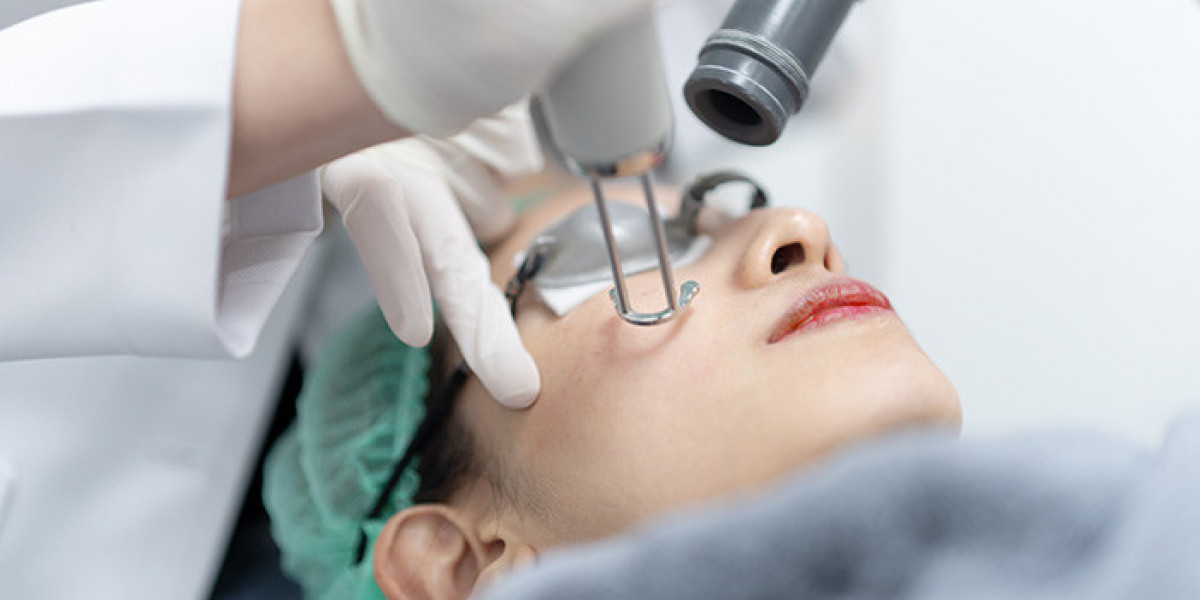

Uneven skin tone, pigmentation, freckles, and dark spots are common concerns among people in Pakistan. Sun exposure, acne, hormonal changes, and inflammation can increase melanin production and leave visible patches on the skin. PICO Laser Treatment In Islamabad is an advanced laser-based option designed to target unwanted pigmentation while supporting a more even-looking complexion. Picosecond laser technology has been studied for benign pigmented lesions, photodamage, melasma, and other dermatological concerns.
What Causes Pigmentation and Dark Spots?
Pigmentation develops when the skin produces or distributes excess melanin. Several factors can contribute to this process, including prolonged sun exposure, acne and other skin inflammation, hormonal changes, aging, and certain medications.
Post-inflammatory hyperpigmentation is particularly common in medium to darker skin tones. When the skin becomes irritated or injured, it may produce additional pigment, resulting in brown or darker marks that can remain after the original problem has healed.
Because pigmentation can have different causes and depths, identifying the type of pigmentation before treatment is important. A dermatologist can assess whether the concern is related to sun spots, acne marks, melasma, freckles, or another skin condition.
How Does PICO Laser Work on Dark Spots?
PICO laser technology uses extremely short pulses of laser energy measured in picoseconds. Rather than relying primarily on prolonged heating, picosecond technology can create a photoacoustic or photomechanical effect that helps break pigment into smaller particles. The body's natural processes can then gradually clear these pigment fragments.
Research has found picosecond lasers useful for several pigmentation-related concerns, including benign pigmented lesions and melasma. A systematic review also found evidence supporting their use for a range of dermatological applications.
The exact wavelength, energy level, and treatment approach should be selected according to the patient's skin type and pigmentation. This is especially important for Pakistani patients because darker or medium skin tones can be more prone to post-inflammatory pigmentation following skin irritation or procedures.
Pigmentation Concerns PICO Laser May Address
Depending on the diagnosis and laser settings, PICO treatment may be considered for several types of unwanted pigmentation.
Common concerns include:
- Sun-induced dark spots
- Freckles
- Acne-related pigmentation
- Uneven skin tone
- Certain benign pigmented lesions
- Some cases of melasma
However, PICO laser is not a universal solution for every type of pigmentation. Melasma, for example, can be persistent and may require a combination of approaches rather than laser treatment alone. Clinical evidence supports picosecond laser use for melasma, but treatment selection should be individualized.
What Can You Expect During PICO Laser Treatment?
Before treatment, the skin should be assessed to determine the cause and characteristics of the pigmentation. The treatment area is then cleansed, and appropriate laser settings are selected.
During the procedure, patients may experience a snapping or warm sensation depending on the treatment area and settings. Sessions are generally relatively quick, although the duration varies according to the size and number of areas being treated.
After treatment, temporary redness, sensitivity, mild swelling, or changes in the appearance of pigmented spots may occur. Proper aftercare is important to support recovery and reduce the chance of unwanted pigmentation.
Importance of Sun Protection After Treatment
Sun protection is an essential part of managing pigmentation. Ultraviolet exposure can stimulate melanin production and contribute to the return or worsening of dark spots.
Patients should follow their skincare professional's recommendations regarding sunscreen and sun avoidance. This is particularly relevant in Pakistan, where strong sunlight can contribute significantly to pigmentation.
The American Academy of Dermatology also emphasizes identifying the cause of dark spots and protecting the skin from further triggers as important parts of managing hyperpigmentation.
Is PICO Laser Suitable for Pakistani Skin?
PICO laser can be considered for patients with darker skin types, but treatment settings must be carefully individualized. A 2026 systematic review specifically examining picosecond laser therapy in skin of color highlighted its potential advantages while also emphasizing the importance of evidence-based treatment selection.
A qualified professional should evaluate your skin before treatment rather than applying identical settings to every patient. Incorrect treatment parameters or treating an undiagnosed pigmentation condition can potentially worsen discoloration.
How Many PICO Laser Sessions Are Needed?
The number of sessions depends on factors such as the type of pigmentation, its depth, skin type, treatment area, and response to previous treatment. Some superficial spots may respond relatively quickly, while more persistent pigmentation may require multiple sessions.
It is important not to expect complete pigmentation removal after one session. A personalized treatment plan can provide a more realistic expectation of gradual improvement.
FAQs About PICO Laser Treatment
Is PICO laser effective for dark spots?
PICO laser can help improve certain types of pigmentation and benign pigmented lesions. Its effectiveness depends on the cause, depth, and characteristics of the pigmentation.
Is PICO laser safe for Pakistani skin?
It may be suitable for many darker or medium skin tones when appropriate settings are used. A professional skin assessment is important because darker skin can be more susceptible to post-inflammatory pigmentation.
Can PICO laser completely remove pigmentation?
PICO laser can significantly improve some pigmentation concerns, but complete removal cannot be guaranteed. Results vary according to the type and depth of pigmentation and whether the underlying cause continues.
How long does it take to see PICO laser results?
Results usually develop gradually rather than immediately. The timeline varies according to the pigmentation being treated and the individual's response to treatment.
Can pigmentation return after PICO laser?
Yes. Pigmentation can return if the underlying trigger, such as sun exposure or hormonal factors, continues. Consistent sun protection and appropriate skincare can help maintain improvements.
Final Thoughts
Pigmentation and dark spots can affect confidence, especially when they appear prominently on the face. PICO Laser Treatment In Islamabad offers a modern approach for addressing selected pigmentation concerns by using ultrashort laser pulses to target unwanted pigment. However, the best results depend on accurate diagnosis, individualized settings, appropriate aftercare, and consistent sun protection.