
Hair density is one of the most noticeable signs of healthy-looking hair. When strands become thinner or fewer hairs grow in a particular area, the scalp can become more visible. This can happen gradually with genetic hair loss, hormonal changes, stress, illness, or other factors.
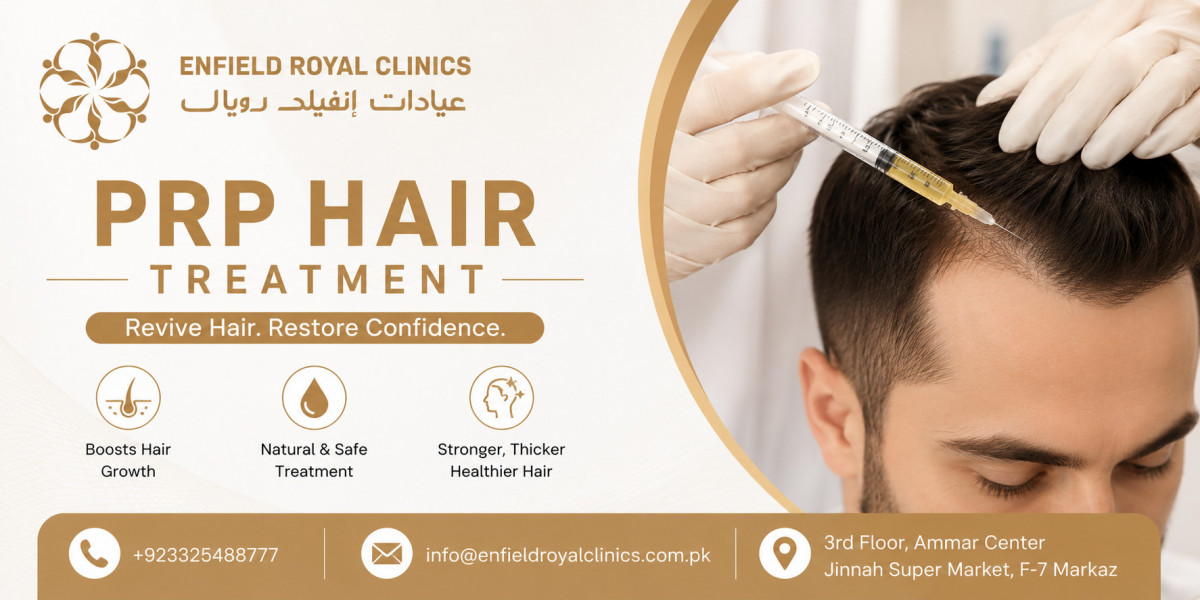
PRP Hair Treatment is a minimally invasive approach that may help improve the appearance of hair density in selected patients. It uses platelet-rich plasma prepared from the patient's own blood and introduces it into areas of the scalp affected by thinning.
The treatment does not add new hair follicles to the scalp. Instead, its purpose is to support existing follicles that may have become weakened or miniaturized. Understanding this distinction is important when considering what kind of improvement may be possible.
What Does Hair Density Mean?
Hair density refers to the number of hair follicles producing hair within a particular area of the scalp. It is different from hair thickness, although the two can affect how full the hair appears.
For example, a person may have the same number of follicles but thinner strands, making the scalp look more visible. If existing follicles produce thicker hairs, overall coverage may appear improved even without creating additional follicles.
This is why treatments designed to support existing follicles may potentially improve the visual appearance of density.
How May PRP Support Hair Density?
PRP is prepared by taking a small blood sample and processing it to concentrate platelets. The resulting plasma contains growth factors and other biological components involved in natural tissue repair and cellular signaling.
The concentrated plasma is then injected into selected areas of the scalp using fine needles.
The objective is to create a supportive environment around existing hair follicles. If weakened follicles respond to treatment, they may produce stronger or thicker strands, which can contribute to a fuller appearance.
However, individual responses vary, and treatment cannot guarantee the same improvement for everyone.
Can It Make Thinning Areas Look Fuller?
In suitable patients, improved follicle activity and thicker hair strands may make thinning areas appear fuller.
This may be particularly relevant for people with early or moderate hair thinning, where follicles are still present but producing finer hairs.
A gradual improvement in strand thickness can sometimes make a noticeable difference in overall scalp coverage. However, the result depends heavily on the condition of the follicles before treatment.
Areas where follicles have been permanently lost cannot simply be filled in through PRP alone.
Who May Benefit Most?
People with early-stage thinning may have more viable follicles available for support. This can make them potential candidates for treatment.
Men may experience thinning around the crown or hairline, while women may notice reduced density across the top of the scalp or a widening part.
The cause of hair loss is also important. Pattern hair loss, temporary shedding, nutritional problems, hormonal changes, and scalp conditions may require different approaches.
A professional assessment can help determine whether the follicles are still active and whether PRP is an appropriate option.
How Long Does It Take to See Increased Density?
Hair follicles do not respond overnight. Hair grows through natural cycles, so visible changes generally develop gradually.
Some patients may notice reduced shedding or changes in hair texture before seeing a noticeable difference in density. More visible improvements may take several months.
Because the changes can be subtle, taking photographs before treatment and during follow-up appointments can make progress easier to evaluate.
Patients should avoid judging the final outcome after only a few weeks.
How Many Sessions May Be Needed?
The number of sessions varies according to the individual's hair loss pattern, follicle condition, treatment goals, and response.
Some providers recommend an initial series of treatments spaced several weeks apart. After this period, the scalp and hair can be evaluated to determine whether additional or maintenance sessions may be appropriate.
There is no fixed number of treatments that guarantees improved density for every patient.
What Factors Affect Hair Density Results?
Several factors can influence the outcome.
Cause of Hair Loss
The underlying reason for thinning can affect how well the follicles respond. Genetic hair loss may require long-term management, while temporary shedding may improve once its trigger is addressed.
Follicle Condition
Treatment is intended to support existing follicles. If follicles remain viable, there may be greater potential for improvement.
General Health
Nutrition, hormonal health, stress, illness, and certain medications can influence hair growth.
Age and Genetics
Natural differences in hair growth and genetic susceptibility can affect both treatment response and the progression of hair loss.
Treatment Technique
The preparation and administration of platelet-rich plasma can vary between providers. Appropriate assessment and technique are important parts of treatment planning.
Can PRP Create New Hair Follicles?
PRP does not create completely new hair follicles. Its purpose is to support follicles that already exist.
This is particularly important for people with advanced baldness. If an area has permanently lost its follicles, PRP alone is unlikely to restore substantial coverage.
A hair transplant may be considered in appropriate patients when additional follicles are needed to restore areas of permanent loss.
Can It Be Combined With Other Hair Treatments?
Depending on the cause and severity of hair loss, PRP may be included as part of a broader treatment plan.
Some patients may use it alongside other medically appropriate approaches. A combination strategy can be considered when different treatments address different aspects of hair loss.
However, combining treatments should be based on professional assessment rather than assuming that more treatments will automatically produce better density.
How Can You Support Healthy Hair?
Maintaining overall health can complement a professional hair restoration plan. A balanced diet containing sufficient protein and essential nutrients supports normal hair growth.
Managing stress, avoiding excessive heat or chemical damage, and maintaining good scalp hygiene may also help protect existing hair.
If persistent thinning is related to an underlying medical, nutritional, or hormonal issue, that cause should be evaluated and managed appropriately.
Final Thoughts
So, does PRP improve hair density? It may improve the appearance of hair density in suitable patients by supporting weakened follicles and potentially improving hair thickness.
The treatment is most relevant when viable follicles remain. It does not create new follicles or restore areas where hair follicles have been permanently lost.
Results usually develop gradually over several months, and the degree of improvement varies from person to person. The cause of hair loss, follicle health, age, genetics, overall health, and treatment plan can all influence the outcome.
A professional scalp assessment is the best way to determine whether PRP Hair Treatment is suitable and what level of improvement in hair density may realistically be expected.








