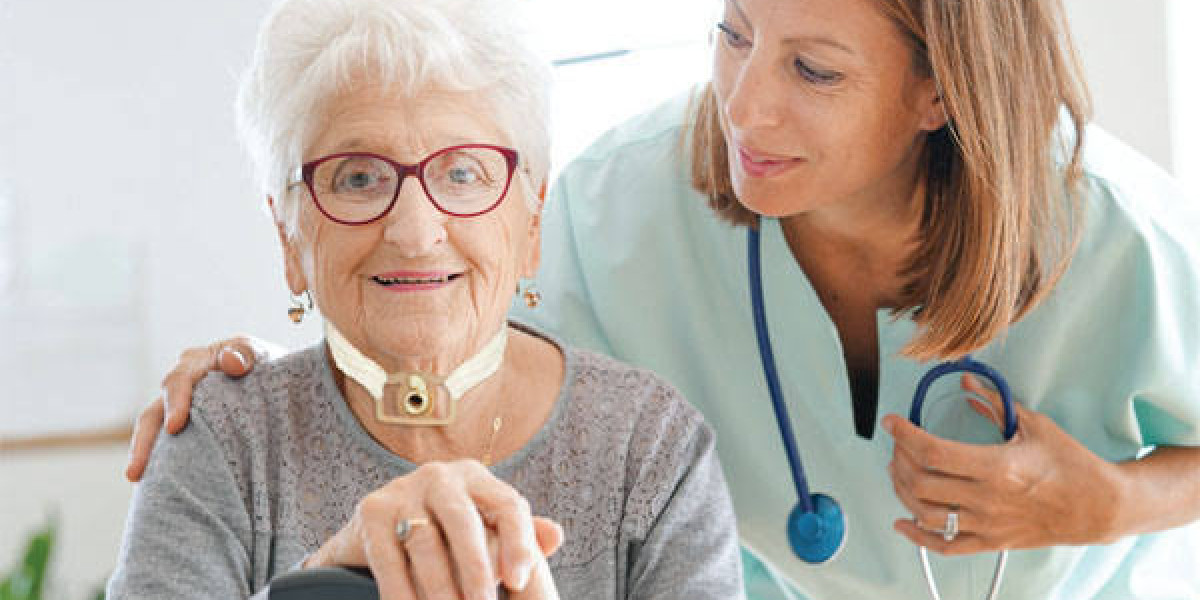

A tracheostomy can significantly change how a patient communicates, particularly during the early stages of recovery or when speaking is temporarily difficult. Effective communication is an important part of comfort, emotional well-being, and safe daily care. With professional Tracheostomy care at home Dubai, caregivers can receive guidance on airway management while also learning practical ways to help patients express pain, discomfort, emotions, and everyday needs. A Doctor at Home service may provide convenient non-emergency medical support when additional assessment or guidance is needed without requiring an unnecessary trip to a clinic.
Why Can a Tracheostomy Affect Communication?:
A tracheostomy may affect speech because normal airflow through the vocal cords can be reduced or redirected. The extent of communication difficulty depends on factors such as the type of tracheostomy tube, whether the cuff is inflated, the patient's underlying medical condition, and their ability to breathe comfortably. Some patients may be temporarily unable to produce their usual voice, while others may speak with a weaker or altered voice. Fatigue, weakness, anxiety, and difficulty controlling secretions can make communication even harder. Understanding that communication difficulties are often a physical consequence of the patient's condition can help caregivers remain patient and supportive rather than assuming that the patient is unwilling or unable to participate.
Give Patients Enough Time to Communicate?:
Patients with a tracheostomy may need more time to communicate their thoughts, particularly when they are learning new techniques. Caregivers should avoid rushing, interrupting, or repeatedly guessing what the patient is trying to say. Instead, maintain eye contact, listen carefully, and allow adequate pauses. Simple questions that can be answered with a nod, shake of the head, or hand signal can be particularly useful when the patient is tired. Creating a calm environment can also make communication easier. When caregivers demonstrate patience, patients may feel more confident expressing concerns rather than becoming frustrated or withdrawing from conversations.
Use Alternative Communication Methods?:
When speaking is difficult, alternative communication methods can help patients remain involved in their own care. The best method depends on the patient's abilities, vision, hearing, movement, and cognitive function. Caregivers can introduce several options and determine which one the patient finds easiest. Useful communication tools may include:
- Writing on paper or using a small whiteboard
- Communication boards with common words or pictures
- Hand gestures and agreed-upon signals
- Yes-or-no questions
- Alphabet boards
- Typing on a tablet or smartphone
- Picture cards for basic needs
- Eye movements or blinking for patients with limited movement
The goal is not to force one communication method but to establish a reliable system that allows the patient to express important needs quickly.
Establish Simple Signals for Basic Needs?:
Creating a set of agreed signals can make everyday communication much easier. For example, the patient and caregiver may establish specific gestures for yes, no, pain, suctioning needs, thirst, repositioning, or discomfort. These signals should be simple enough to use when the patient is tired or experiencing stress. Caregivers should confirm the meaning of unfamiliar gestures instead of assuming what they represent. A communication chart can be kept near the patient's bed so that different family members and healthcare professionals understand the same signals. Consistency helps reduce confusion and allows patients to communicate even when they cannot speak.
How Can Caregivers Help Patients Communicate Pain?:
Pain assessment is particularly important for tracheostomy patients because some may have difficulty describing exactly what they are experiencing. Caregivers can use simple questions and visual pain scales when appropriate. Instead of asking broad questions such as "Are you okay?", more specific questions may be easier to answer, such as whether the patient is experiencing pain in the throat, chest, tracheostomy site, or another area. Changes in facial expression, body movements, restlessness, or withdrawal may also provide useful clues, but these observations should not replace direct communication whenever possible. Any new, severe, or unexplained pain should be discussed with the healthcare team.
Make Communication Part of the Daily Care Routine?:
Communication should not be limited to moments when the patient appears uncomfortable. Including the patient in everyday decisions can promote independence and dignity. Caregivers can ask what clothing the patient prefers, which meal they would like, when they want to rest, or how they would like their environment arranged. During tracheostomy care, explain what is about to happen before beginning each procedure. Even when the patient cannot respond verbally, giving them time to acknowledge what is happening can make them feel more involved. Regular communication also allows caregivers to identify changes in mood, comfort, and overall well-being.
Support Communication During Tracheostomy Procedures?:
Certain care procedures can temporarily make communication more difficult. Before suctioning, tube care, dressing changes, or other prescribed procedures, caregivers should explain the steps using the patient's preferred communication method. Establishing a signal for "stop," "pause," or "I need help" can be particularly important. Caregivers should never ignore such signals unless there is an immediate emergency requiring action. Airway procedures should only be performed by individuals who have received appropriate training and instructions from the patient's healthcare team. Clear communication before and during care can reduce anxiety and help patients cooperate more comfortably.
Encourage Speech When Clinically Appropriate?:
Some tracheostomy patients may eventually be able to speak using specific techniques or specialized equipment, depending on their clinical condition. Speech and language professionals can assess communication abilities and recommend suitable strategies. In some cases, a speaking valve or other method may be considered, but these options should only be used after appropriate clinical assessment and instruction. Caregivers should never independently alter the tracheostomy tube, cuff, or airway settings to encourage speech. The patient's safety and ability to breathe comfortably should always come before verbal communication.
Consider Emotional Effects of Communication Difficulties?:
Being unable to communicate normally can be frustrating, isolating, or frightening. Patients may worry that others will not understand them or that they will be unable to request help when needed. Caregivers can reduce these concerns by keeping communication tools within easy reach and responding respectfully to every attempt to communicate. Encouraging family members to interact normally with the patient can also support emotional well-being. Patients should continue to be included in conversations rather than being discussed as though they are not present. Respectful communication reinforces dignity and helps maintain social connection during recovery.
Help Children With Tracheostomies Communicate?:
Children with tracheostomies may require communication strategies adapted to their age and developmental abilities. Pictures, gestures, toys, drawing, simple signs, and familiar routines can make communication more engaging. Parents and caregivers should work with the child's healthcare professionals to determine appropriate methods, particularly if the child has additional developmental, neurological, hearing, or speech challenges. Communication should remain encouraging rather than pressuring the child to speak. Recognizing attempts to communicate and responding positively can help children develop confidence.
When Should Communication Changes Be Reported?:
A sudden change in a patient's ability to communicate may sometimes indicate more than difficulty speaking. New confusion, unusual drowsiness, significant weakness, worsening breathing, or an inability to respond normally should receive prompt medical attention. Changes associated with airway obstruction or inadequate oxygenation can become serious quickly. Severe breathing difficulty, significant skin or lip color changes, loss of consciousness, or other signs of an airway emergency require immediate emergency medical assistance. Caregivers should follow the patient's individualized emergency plan and seek professional advice whenever they are concerned about an unexpected change.
Final Thoughts:
Helping a tracheostomy patient communicate is an essential part of compassionate home care. When speech is difficult, patients can still express their needs through writing, gestures, communication boards, technology, eye movements, or agreed-upon signals. Caregivers should give patients sufficient time, explain procedures clearly, and involve them in everyday decisions. Professional speech and language support may also help identify appropriate communication strategies when speaking remains difficult. Most importantly, communication should always be treated as part of patient-centered care rather than an optional activity. With patience, consistency, and appropriate professional guidance, families can help tracheostomy patients communicate more confidently while maintaining comfort, dignity, and safety at home.









