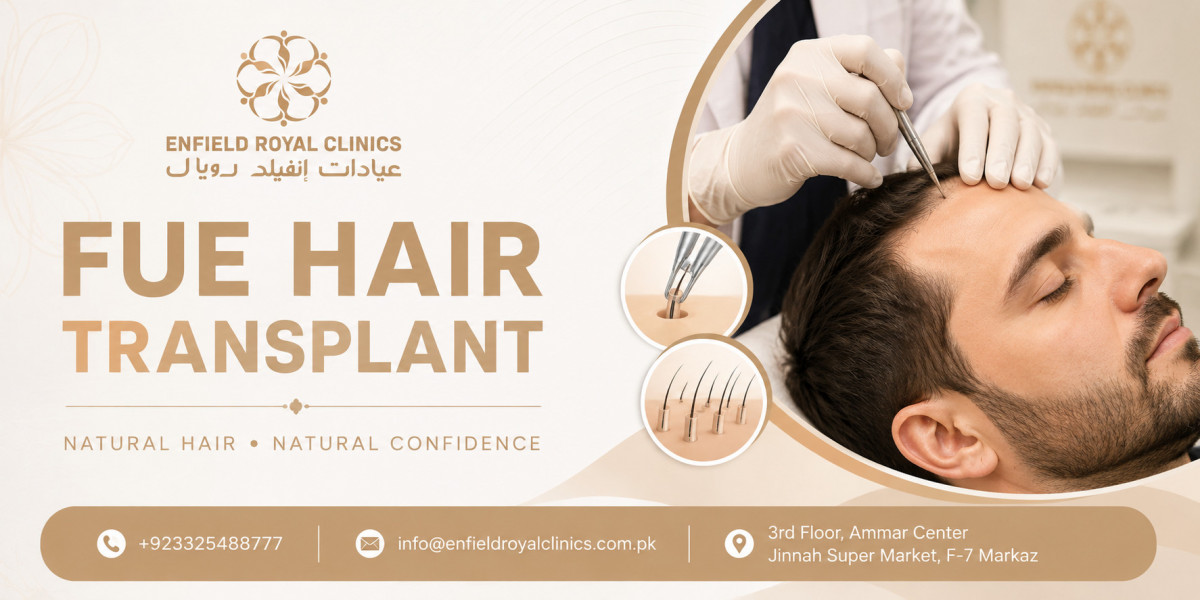

Crown baldness is a common type of hair loss that affects the top and back area of the scalp. Many people notice thinning at the crown gradually, and over time, the area may become more visible. This type of hair loss can impact confidence, especially when the scalp becomes noticeable under different lighting or hairstyles.
Modern hair restoration techniques have made it possible to improve crown thinning and bald areas. FUE Hair Transplant is one of the most advanced procedures used to restore hair in the crown region by transferring healthy follicles from a donor area to areas affected by hair loss.
What Causes Crown Baldness?
Crown baldness can develop due to several factors, but the most common cause is androgenetic alopecia, also known as pattern hair loss. This condition is influenced by genetics and hormonal changes that gradually weaken hair follicles.
Other factors that may contribute to crown thinning include:
- Family history of hair loss
- Hormonal imbalance
- Aging
- Stress
- Poor nutrition
- Certain medical conditions
Identifying the cause of crown baldness is an important step before choosing a hair restoration option. A proper evaluation helps determine whether a transplant is the right solution.
How Can FUE Hair Transplant Help With Crown Baldness?
A FUE Hair Transplant can help restore hair in the crown area by relocating healthy hair follicles from a donor region to the thinning or bald area.
During the procedure, individual follicles are extracted from areas where hair is usually more resistant to loss, such as the back or sides of the scalp. These follicles are then carefully implanted into the crown area to increase density and improve coverage.
The procedure is customized according to the size of the bald area, available donor hair, and the desired level of fullness.
Why Is the Crown Area Challenging to Restore?
The crown area requires careful planning because hair grows in a unique spiral pattern called a whorl. Restoring this region requires precise placement of follicles to match the natural direction of existing hair.
A skilled approach focuses on:
- Correct follicle angle
- Natural hair direction
- Proper density distribution
- Blending with existing hair
Without proper planning, the results may appear unnatural. This is why experience and technique are important factors in crown restoration.
Who Is a Good Candidate for Crown Restoration?
Not everyone with crown baldness will have the same treatment requirements. A consultation is necessary to evaluate hair loss and determine suitability.
A good candidate usually has:
- Noticeable thinning or baldness at the crown
- Sufficient healthy donor follicles
- Stable hair loss pattern
- Good scalp health
- Realistic expectations
People with limited donor hair or ongoing rapid hair loss may need additional assessment before undergoing treatment.
Benefits of Treating Crown Baldness With FUE
Many patients choose this method because it offers several advantages for restoring thinning areas.
Natural-Looking Results
Because the procedure uses the patient’s own hair follicles, the transplanted hair blends naturally with existing hair. Proper placement helps recreate the crown’s natural appearance.
Minimal Scarring
One major advantage of FUE is that it does not require removing a strip of scalp. Instead, individual follicles are extracted, leaving tiny marks that usually become less noticeable over time.
Long-Term Hair Growth
Transplanted follicles are generally more resistant to common hair loss factors. Once they successfully grow, they can provide long-lasting improvement with proper care.
Personalized Treatment
Every crown restoration procedure is planned according to individual needs. The number of follicles and placement strategy can be adjusted based on the severity of hair loss.
What Is the Recovery Process Like?
After treatment, the scalp needs time to heal. Patients may experience mild redness, swelling, or small scabs in the treated area, which usually improve gradually.
Following aftercare instructions is essential. Patients are generally advised to:
- Avoid scratching the scalp
- Follow recommended washing methods
- Protect the scalp from direct sunlight
- Avoid heavy exercise during early recovery
- Attend follow-up appointments
Proper care helps protect transplanted follicles and supports healthy growth.
When Will Crown Hair Growth Appear?
Hair growth after a transplant occurs gradually. During the first few weeks, some transplanted hairs may shed, which is a normal part of the growth cycle.
New growth usually begins after a few months. Around six months, many patients notice visible improvement, while thicker and fuller results continue developing over the following months.
The final outcome is often visible after 12 months or more, depending on individual growth patterns.
Can FUE Fully Restore Crown Baldness?
The ability to restore crown baldness depends on several factors, including the size of the bald area and the quality of donor hair.
While FUE can significantly improve crown coverage, the goal is to achieve a natural and balanced appearance rather than unlimited density. A specialist can evaluate your condition and provide a realistic expectation of results.
Conclusion
A FUE Hair Transplant can be an effective solution for treating crown baldness by restoring hair density and improving scalp coverage. With careful planning, precise follicle placement, and proper aftercare, patients can achieve natural-looking and long-lasting results.
The success of crown restoration depends on factors such as donor hair quality, hair loss condition, and professional expertise. A detailed consultation can help determine whether FUE is the right option for your hair restoration goals.