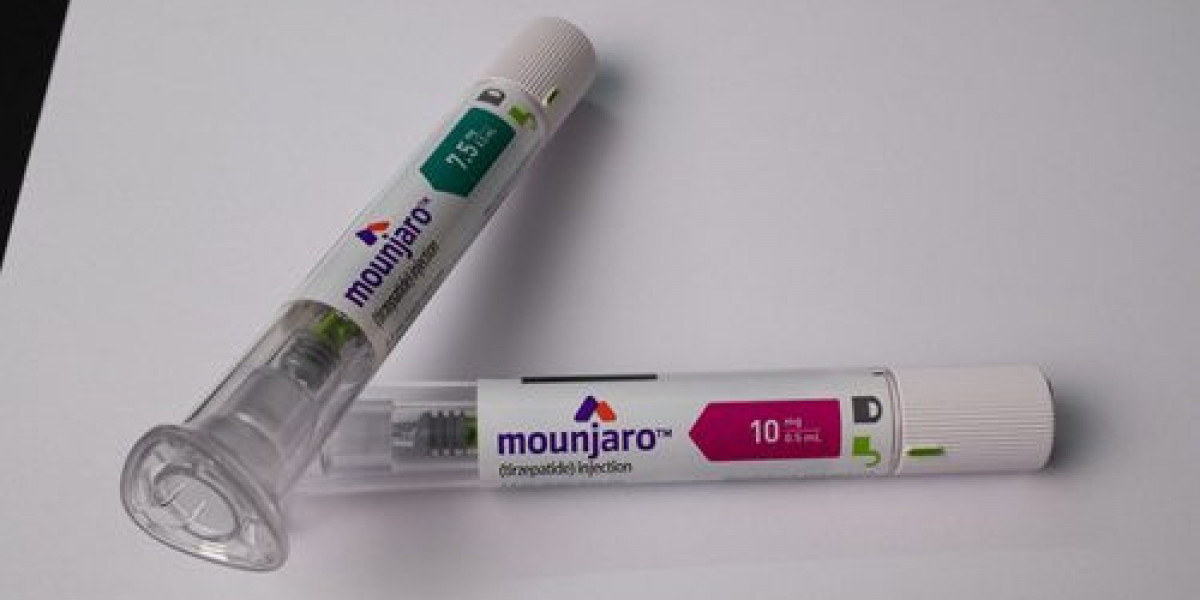

Starting a new prescription medicine can feel overwhelming, especially when it involves an injectable treatment. Mounjaro Injection in Islamabad has gained attention because of its role in managing blood sugar in people with type 2 diabetes. Mounjaro contains tirzepatide, a prescription medicine that works on GIP and GLP-1 receptors and is used alongside diet and exercise to improve blood glucose control.
What Is Mounjaro Injection?
Mounjaro is a once-weekly injectable medicine containing tirzepatide. It is approved for improving blood sugar control in adults and children aged 10 years and older with type 2 diabetes when combined with diet and exercise.
Tirzepatide works by activating two hormone receptors involved in blood glucose regulation. It can also affect appetite and digestion, which is one reason it has received significant attention in discussions about weight management. However, Mounjaro itself is indicated for type 2 diabetes; tirzepatide products approved specifically for chronic weight management have different indications.
Who May Be Suitable for Mounjaro?
Mounjaro is generally considered for people with type 2 diabetes when a healthcare professional determines that this treatment is appropriate. Your medical history, current medicines, blood sugar levels, kidney function, and other health factors may all be considered before treatment begins.
It is important not to start Mounjaro simply because someone else has experienced good results. Prescription medicines require individual assessment and monitoring.
How Is Mounjaro Started?
The FDA prescribing information recommends a starting dose of 2.5 mg once weekly for four weeks. This initial dose is intended to help the body adjust and is not intended for blood glucose control. After four weeks, the recommended dose is generally increased to 5 mg once weekly. Further increases may be made in 2.5 mg increments after at least four weeks on the current dose when clinically appropriate.
Patients should never increase the dose on their own. Following the prescribed schedule can help reduce the likelihood of gastrointestinal side effects.
How Is the Injection Administered?
Mounjaro is injected under the skin once a week. Depending on the prescribed device and instructions, injection sites can include the abdomen or thigh, while the back of the upper arm may be used when another person administers the injection. Injection sites should be rotated regularly.
Patients should carefully follow the instructions provided with their specific pen or injection device. Proper storage is also important; the manufacturer advises refrigeration and states that the medicine should not be frozen.
Common Side Effects to Know
Some people experience digestive symptoms after starting Mounjaro. Common adverse reactions include nausea, diarrhea, decreased appetite, vomiting, constipation, indigestion, and abdominal pain.
These effects may be more noticeable when treatment begins or when the dose is increased. Staying adequately hydrated and following your healthcare professional's dietary advice may help with tolerability.
However, severe or persistent symptoms should not be ignored. Severe abdominal pain, particularly if it spreads toward the back, can be a warning sign of pancreatitis and requires prompt medical attention.
Important Safety Precautions
Mounjaro is not suitable for everyone. It should not be used by people with a personal or family history of medullary thyroid carcinoma or by those with Multiple Endocrine Neoplasia syndrome type 2 (MEN 2). A history of serious allergic reaction to tirzepatide is also a contraindication.
Tell your healthcare provider about all medicines and supplements you take. Mounjaro can delay stomach emptying and may affect the absorption of some oral medicines. It may also increase the risk of low blood sugar when used with insulin or certain insulin-releasing medicines.
Patients should also inform healthcare professionals about Mounjaro before planned surgery or procedures involving anesthesia or deep sedation.
Tips for Starting Treatment Safely
Before beginning treatment, discuss your complete medical history with a qualified healthcare professional. Keep your weekly injections on schedule and do not change the prescribed dose without medical advice.
Maintaining healthy eating habits, regular physical activity, appropriate hydration, and scheduled follow-ups can support your overall treatment plan. If you miss a dose, follow the instructions provided by your healthcare professional or the official medication information rather than doubling your next dose. The current prescribing information provides specific guidance for missed doses.
Frequently Asked Questions
Is Mounjaro taken every day?
No. Mounjaro is generally administered once weekly according to the prescribed schedule.
What is the usual starting dose of Mounjaro?
The recommended starting dose is 2.5 mg once weekly for four weeks, followed by 5 mg once weekly when appropriate. Dose adjustments should be made by a healthcare professional.
Can I start Mounjaro without a prescription?
Mounjaro is a prescription medicine. It should only be started after an appropriate medical evaluation and under professional supervision.
What are the most common side effects?
Nausea, diarrhea, decreased appetite, vomiting, constipation, indigestion, and abdominal pain are among the commonly reported side effects.
Can everyone use Mounjaro for weight loss?
No. Mounjaro's approved indication is type 2 diabetes. Tirzepatide is also available under another brand with an indication for chronic weight management in eligible adults. A healthcare professional should determine which treatment, if any, is appropriate.
Final Thoughts
Starting Mounjaro Injection in Islamabad should be based on professional medical advice rather than self-medication or online recommendations. Understanding the correct dosing schedule, injection technique, possible side effects, and important precautions can help patients approach treatment more safely. If you are considering tirzepatide, speak with a qualified healthcare professional who can assess your individual needs and provide appropriate monitoring throughout treatment.