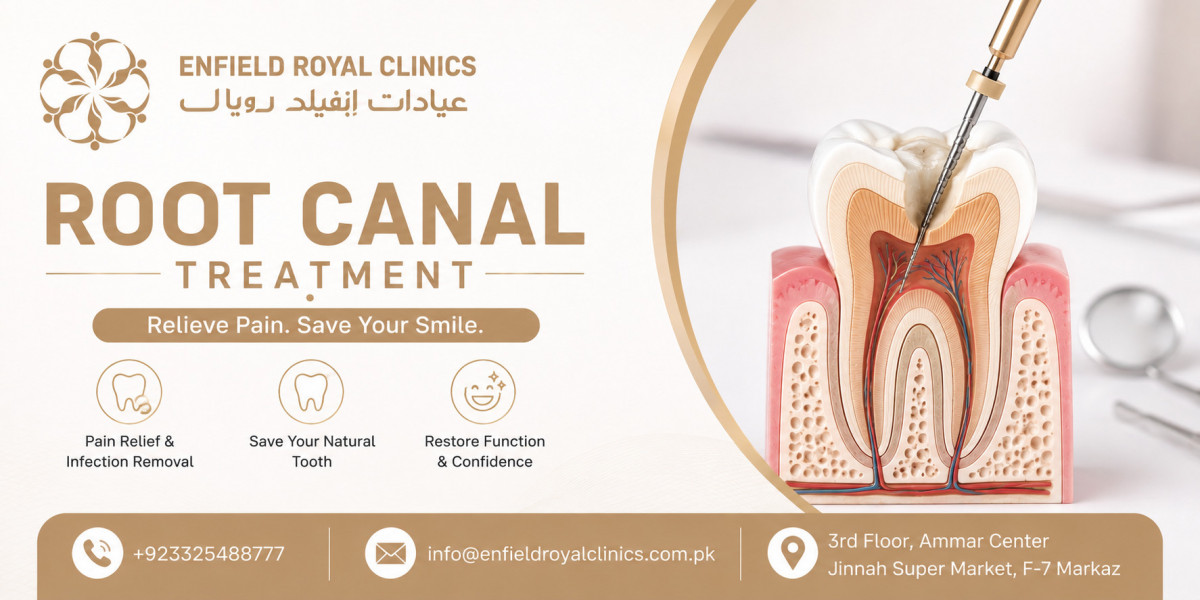

A healthy smile is about more than appearance. Natural teeth play an important role in speaking, chewing, facial support, and maintaining the position of neighboring teeth. When one tooth becomes deeply infected or severely damaged, removing it may seem like the easiest solution. However, in many cases, preserving the natural tooth is possible.
Root Canal Treatment can help remove infection from inside a damaged tooth while keeping the visible tooth structure in place. With appropriate restoration and regular care, the treated tooth may continue to function naturally for many years.
Why Is Preserving a Natural Tooth Important?
Natural teeth are designed to work together as a complete system. Each tooth contributes to chewing and helps maintain the alignment of the teeth around it.
When a tooth is removed, the neighboring teeth may gradually shift toward the empty space. This can affect the bite and make some areas harder to clean. Bone loss can also occur in the area where the tooth was previously supported.
Keeping a natural tooth, when it can be successfully restored, may therefore help maintain both function and appearance.
How Does a Damaged Tooth Affect Your Smile?
A damaged or infected tooth can change the appearance of a smile in several ways. Severe decay may create visible dark areas or cavities. Trauma can cause a tooth to crack, chip, or become discolored.
An infected tooth may also develop swelling around the gum, making the smile look uneven. If the tooth eventually needs extraction, the resulting gap can affect the overall appearance of the front or side of the smile.
Treating the underlying problem early may help prevent further structural and cosmetic changes.
How Can Treatment Preserve the Tooth?
Inside each tooth is a soft tissue called the pulp, which contains nerves and blood vessels. Deep decay, cracks, or trauma can cause this tissue to become inflamed or infected.
During treatment, the dentist removes the affected pulp and cleans the internal canals. The canals are then disinfected, filled, and sealed to reduce the possibility of future infection.
The outer portion of the tooth remains in place. Once it is properly restored, the tooth can continue to perform its normal function.
Does a Treated Tooth Still Look Natural?
In many cases, yes. A treated tooth can be restored with materials selected to match its appearance and function.
For visible front teeth, a tooth-colored filling, bonding material, or crown can be designed to blend with neighboring teeth. The goal is to restore the tooth's shape and appearance while protecting the remaining structure.
The final result depends on the condition of the tooth, the type of restoration selected, and the amount of healthy structure that remains.
What Happens When a Tooth Becomes Discolored?
A tooth that has experienced internal damage can sometimes become darker or grayish. This may happen after trauma or when the pulp loses vitality.
Discoloration does not always mean that the tooth must be removed. After the internal problem has been treated, the dentist can assess whether additional cosmetic treatment is appropriate.
Depending on the situation, options may include internal whitening or a suitable restoration designed to improve the tooth's appearance.
Why Is the Final Restoration Important?
Completing the internal procedure is only part of preserving the tooth. A tooth that has experienced extensive decay or structural damage may require additional protection.
A crown can cover and protect a significantly weakened tooth, particularly when it is exposed to heavy chewing forces. In other cases, a strong permanent filling may be sufficient.
The restoration helps rebuild the shape of the tooth and reduces the risk of fracture. It also provides an important seal against the oral environment.
Can It Prevent the Need for Extraction?
When a tooth remains structurally restorable, Root Canal Treatment may prevent the need for extraction. The procedure removes the infected tissue while allowing the natural tooth to remain in the mouth.
However, not every damaged tooth can be saved. A severe fracture extending deep into the root, extensive structural destruction, or serious supporting-tissue damage may make preservation unreliable.
The dentist must evaluate the tooth carefully before recommending treatment.
What If You Delay Treatment?
Ignoring symptoms can allow an infection to progress. A tooth may initially cause sensitivity or occasional pain before developing more severe discomfort.
Infection can spread beyond the root and affect surrounding tissues, potentially leading to an abscess and bone damage. As more tooth structure is lost, the chances of successful restoration may decrease.
Early assessment can provide a better opportunity to preserve the tooth and protect your smile.
Can Treatment Improve Chewing Function?
Yes. A properly restored natural tooth can continue to participate in normal chewing. Preserving the tooth also helps maintain the balance between neighboring and opposing teeth.
After the final restoration is completed, the dentist will check the bite to ensure the tooth does not receive excessive pressure. Proper bite alignment can help reduce stress on the restoration and surrounding structures.
If the tooth feels unusually high or uncomfortable when biting, an adjustment may be necessary.
How Can You Protect Your Smile After Treatment?
Good oral care is essential for maintaining both the treated tooth and the rest of the smile. Brush twice daily with fluoride toothpaste and clean between your teeth regularly.
Avoid chewing very hard objects, ice, or non-food items. These habits can increase the risk of cracks and damage to restorations.
Regular dental examinations are also important. Your dentist can monitor the treated tooth, crown, filling, gums, and surrounding teeth for early signs of problems.
Can a Treated Tooth Last for Years?
A properly treated and restored tooth can remain functional for many years. Its long-term outlook depends on the amount of healthy structure remaining, the quality of the treatment, the final restoration, oral hygiene, and everyday chewing habits.
No treatment can guarantee that a tooth will last forever, but careful maintenance can improve its chances of remaining healthy and useful.
Patients who grind or clench their teeth may need additional protection because excessive pressure can increase the risk of fractures.
Is Preserving the Natural Tooth Better Than Replacing It?
When a tooth is predictably restorable, keeping it may offer several advantages over extraction and replacement. A natural tooth fits naturally within the existing bite and does not require replacement with an implant, bridge, or denture.
Replacement options can be highly effective, but they involve additional procedures and maintenance. Preserving a healthy natural tooth when possible can therefore be a practical choice for both function and appearance.
Final Thoughts
Yes, Root Canal Treatment can help save your natural smile when a damaged or infected tooth is still suitable for restoration. By removing infection from inside the tooth, cleaning the canals, and restoring the remaining structure, treatment can preserve both appearance and function.
The best results depend on timely dental care, an appropriate final restoration, and consistent oral hygiene. If you notice persistent tooth pain, discoloration, swelling, or sensitivity, a professional examination can determine whether the tooth can be preserved and help protect your natural smile for the future.
For more information visit Enfield royal clinic in islamabad