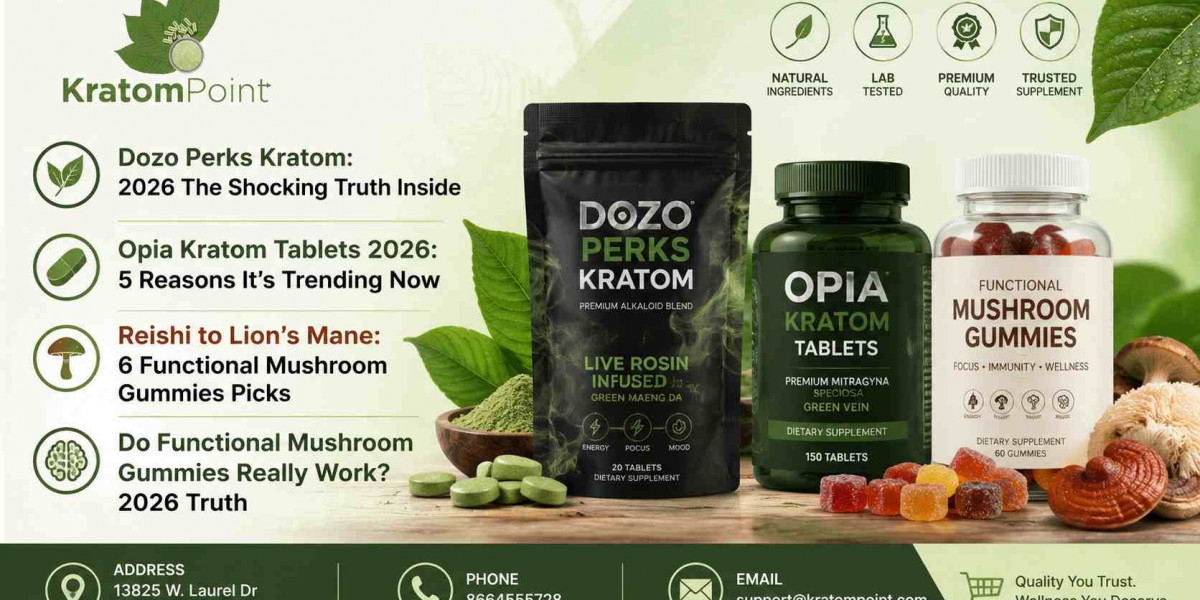

If you've spent any time scrolling wellness TikTok or browsing a supplement aisle lately, you've probably noticed something popping up everywhere: little gummy bears promising sharper focus, calmer nerves, or an immune system boost, all thanks to mushrooms. It sounds almost too simple. Chew a gummy, get the benefits of ancient fungi that herbalists have used for centuries? Or is this just another wellness trend riding a marketing wave?
The truth is somewhere in between, and it depends heavily on which product you're actually buying. In this guide, we're going to walk through exactly what a functional mushroom is, whether the gummy format actually delivers results, what the research says (and doesn't say), and how to spot a quality product versus a gummy that's mostly sugar with a mushroom picture on the label. By the end, you'll know exactly what to look for before you spend your money.
What Is a Functional Mushroom, Exactly?
A functional mushroom refers to a category of fungi that's used for its potential health-supporting properties, separate from the culinary mushrooms you'd toss into a stir-fry (though some overlap). These are mushrooms like:
Lion's Mane, often associated with focus and cognitive support
Reishi, traditionally used for relaxation and stress response
Cordyceps, popular among athletes for energy and stamina
Chaga, rich in antioxidants, often tied to immune support
Turkey Tail, studied for its role in gut and immune health
These mushrooms have been used in Traditional Chinese Medicine and other herbal traditions for hundreds of years, well before "adaptogen" became a buzzword. What's changed is the delivery method. Instead of brewing a bitter mushroom tea or choking down a powder, companies have figured out how to pack mushroom extract into a gummy that actually tastes good.
Do Functional Mushroom Gummies Work? Here's the Honest Answer
Short answer: it depends on the dose, the extraction method, and the specific mushroom species used. Functional mushroom gummies can work when they contain a meaningful amount of standardized extract, but many products on the market use such small amounts that you're unlikely to feel anything.
Here's the key thing most shoppers don't realize: mushrooms need to be processed correctly to be effective. Raw mushroom powder is largely indigestible to humans because of a tough compound called chitin in the cell walls. That's why quality brands use hot water extraction, which breaks down the cell walls and concentrates the beneficial compounds, particularly beta-glucans, which are the polysaccharides believed to be responsible for many of the immune and cognitive effects people are after.
If a gummy simply lists "mushroom powder" instead of a standardized extract with a specified beta-glucan percentage, that's a red flag. It's not necessarily useless, but it's also not going to deliver the results you've seen praised in reviews.
The Gummy Format Question
Gummies are convenient, but convenience comes with trade-offs. The gummy-making process involves heat and sugar, which can degrade some active compounds if not manufactured carefully. That said, reputable brands have refined their formulas to preserve potency while keeping the product tasty and shelf-stable. If you've struggled with the earthy, bitter taste of mushroom powders or capsules, a well-made gummy can be a genuinely easier way to stay consistent, and consistency matters more than almost anything else with these kinds of supplements.
Functional Mushroom Gummies Benefits: What People Actually Report
While individual results vary, and no supplement is a magic fix, here are the benefits most commonly associated with functional mushroom gummies:
Mental clarity and focus, largely tied to Lion's Mane, which has been studied for its potential to support nerve growth factor production
Stress and relaxation support, Reishi is the go-to here, often called the "mushroom of immortality" in Chinese herbal tradition
Energy without the jitters, Cordyceps is popular with people who want an alternative to caffeine crashes
Immune system support, Chaga and Turkey Tail both contain antioxidant and beta-glucan compounds tied to immune function
Gut health, some blends include prebiotic fiber alongside mushroom extract to support digestion
It's worth being upfront here: these are supplements, not medications, and the FDA does not evaluate claims about them the way it does for drugs. What research does show is promising, especially around Lion's Mane and cognitive support, but human clinical trials are still catching up to the hype. If a brand promises to "cure" anxiety or "eliminate" brain fog overnight, that's marketing outpacing the science.
What Do Mushroom Gummies Do for Your Body, Day to Day?
On a practical level, most people who take functional mushroom gummies consistently (we're talking 2-4 weeks minimum, not two days) report subtle but noticeable shifts: steadier energy through the afternoon slump, a bit more mental sharpness during work, or feeling less rattled by everyday stress. These aren't overnight transformations. Think of it more like the difference between one workout and eight weeks of workouts. The effects build.
This is also why serving size matters so much. A gummy with 500mg of Lion's Mane extract is going to behave very differently than one with 50mg, even if both bottles look nearly identical on a store shelf.
How to Choose a Quality Fungi Mushroom Gummy
Not all gummies are created equal, and with the supplement market largely unregulated for potency claims, it's on the buyer to do some homework. Here's what to check before adding a product to your cart:
1. Look for Extraction Method and Beta-Glucan Content
The label should specify hot water extraction (or dual extraction) and ideally list a beta-glucan percentage. This tells you the manufacturer is being transparent about potency rather than hiding behind vague "proprietary blend" language.
2. Check for Third-Party Lab Testing
Reputable brands test their products through independent labs to verify potency and screen for contaminants like heavy metals, which mushrooms can absorb from soil. If a company can't produce a Certificate of Analysis (COA), that's a dealbreaker.
3. Match the Mushroom to Your Goal
Don't buy a generic "mushroom blend" if you have a specific goal in mind. Want focus? Look for Lion's Mane as the primary ingredient. Want to wind down at night? Reishi should be front and center, not buried fourth on the ingredient list.
4. Watch the Sugar Content
Because it's a gummy, sugar is part of the deal. Look for options that use lower-sugar formulations or natural sweeteners if you're mindful of your intake, especially if you're taking two or more gummies daily as directed.
Functional Mushroom Gummies vs. Coffee, Tea, and Capsules
Gummies aren't the only way to get functional mushrooms into your routine, and it's worth knowing how they stack up:
Mushroom coffee blends mushroom extract with coffee or a coffee alternative, appealing to people who want their morning ritual and their mushrooms in one cup.
Mushroom tea offers a gentler, caffeine-free option, often favored for Reishi's calming properties in the evening.
Capsules are the most concentrated and easiest to dose precisely, but lack the flavor experience some people enjoy.
Gummies win on taste and convenience, which for many people translates directly into better consistency, and consistency is what actually drives results with adaptogenic mushrooms.
There's no universally "best" format. The best one is the one you'll actually take every day.
Frequently Asked Questions
Do functional mushroom gummies actually work, or is it a placebo effect? When formulated with a properly extracted, adequately dosed mushroom extract, functional mushroom gummies can offer real, measurable support for focus, stress response, and immune health. Low-quality products with minimal extract, however, may produce results that are largely psychological.
How long does it take to feel effects from mushroom gummies? Most users report noticing subtle changes within 2 to 4 weeks of consistent daily use. These are gentle, cumulative supplements rather than fast-acting stimulants.
Are functional mushroom gummies safe to take daily? Generally, yes, for most healthy adults, when taken as directed. As with any supplement, it's smart to check with a doctor first if you're pregnant, nursing, on medication, or managing a health condition.
What's the difference between functional mushrooms and psychedelic mushrooms? None of the mushrooms discussed here (Lion's Mane, Reishi, Cordyceps, Chaga, Turkey Tail) contain psilocybin or any psychoactive compounds. Functional mushrooms are legal, non-intoxicating, and sold as wellness supplements across the United States.
Can I take mushroom gummies alongside kava or CBD products? Many people combine adaptogens like functional mushrooms with other botanical wellness products. That said, it's always worth starting with one new supplement at a time so you can track how your body responds, and checking with a healthcare provider if you're combining several products regularly.
The Bottom Line
Functional mushroom gummies aren't a scam, but they aren't a miracle either. The real answer to "do they work" comes down to what's actually inside the bottle: the extraction method, the dose, and the transparency of the brand behind it. Skip the products hiding behind proprietary blends and vague labeling, and look for standardized extracts with visible beta-glucan content and third-party testing.
If you're ready to explore Kratom Point functional mushroom products, along with other trusted botanical wellness options, browse the curated mushroom collection at KratomPoint.com, where every product is chosen with transparency and quality in mind. Your focus, your calm, and your energy are worth getting right.








