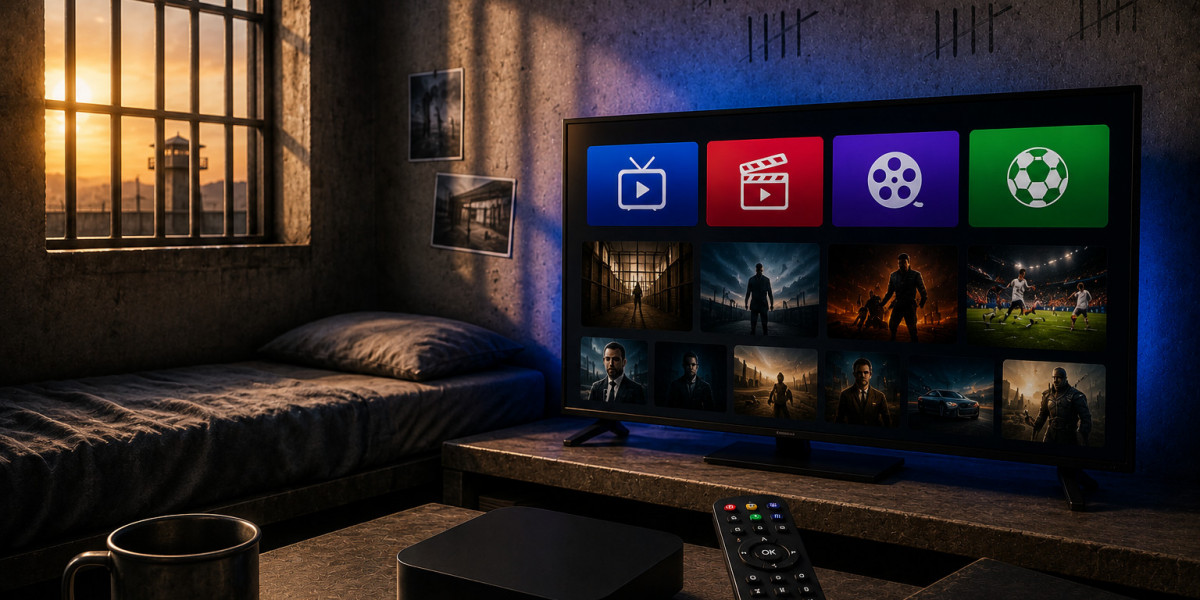

Television has traditionally been built around schedules. Broadcasters decided when programs would appear, while viewers adjusted their routines to catch the content they wanted. Although scheduled programming is still relevant, the way people approach television has changed considerably.
Internet TV has contributed to this shift by giving audiences more influence over their entertainment. Viewers can increasingly decide what interests them, when they want to watch, and which type of content suits a particular moment.
The Viewer Is Taking a More Active Role
Modern audiences are no longer simply waiting for television schedules to provide entertainment. They are becoming more active in deciding what deserves their attention.
Someone might be interested in a particular sports event one evening and a documentary or movie the next. Rather than following one fixed routine, viewers can build their entertainment around changing interests.
This shift puts greater emphasis on personal preference. Television becomes less about accepting a predetermined lineup and more about selecting something that feels worthwhile.
Schedules Are Becoming Less Restrictive
Daily life can make traditional viewing difficult. Work, school, commuting, family commitments, and social activities can all interfere with fixed broadcast times.
Internet television provides a more adaptable environment. Depending on the service, viewers may have access to different ways of finding and watching programming according to their availability.
This is particularly useful for people whose schedules vary throughout the week. Entertainment can become something they fit into their free time rather than another commitment they need to organize around.
Content Discovery Has Changed
Greater control also means having practical ways to find relevant programming.
Traditional channel surfing could be useful when choices were limited, but large digital libraries require better organization. Search tools, categories, recommendations, and favorites can help viewers move directly toward content that matches their interests.
Good discovery features reduce unnecessary browsing. Instead of spending a significant amount of free time looking for something suitable, viewers can narrow down their choices more efficiently.
Personal Interests Matter More Than Ever
Not everyone in a household wants the same entertainment.
One person might follow international news, another may prefer films, while someone else may spend their free time watching sports or television series. Internet-based platforms can accommodate these differences by providing access to varied forms of programming.
Having broader viewing choices gives individuals more room to shape their own entertainment routines.
This does not necessarily mean that everyone watches separately. Families can still come together for movies, major sporting events, or programs that appeal to everyone.
Live Television Still Has Its Place
Greater control has not made live programming irrelevant.
Some content is valuable precisely because it happens in real time. A major football match, breaking news event, concert, or awards ceremony can create a shared experience that viewers want to follow as it unfolds.
Internet TV can therefore complement live viewing rather than replace it. Audiences can enjoy the immediacy of live events while using more flexible approaches for other types of entertainment.
Different Screens Can Serve Different Purposes
The modern television experience is not restricted to one screen.
A large smart TV may be ideal for watching a movie with family, while a laptop or tablet can be convenient for individual viewing. Smartphones can also provide access when someone is away from the main television.
This variety gives households additional control over where entertainment takes place. However, device compatibility should always be checked before selecting a television service.
Quality Remains Essential
Control and convenience lose their value when the viewing experience is unreliable.
Internet TV depends on several factors, including the quality of the user's internet connection, network stability, device performance, and the platform itself. A household with several people using connected devices should make sure its network can handle the demand.
Picture quality is another consideration. Viewers have become accustomed to sharper displays, so consistent playback and suitable resolution are increasingly important.
Simplicity Makes Control More Useful
More features do not automatically create a better experience.
A platform can offer extensive functionality but still frustrate users if menus are confusing or finding programs requires too many steps. Simple navigation allows viewers to take advantage of available choices without unnecessary effort.
For everyday use, practical features such as clear categories, responsive search, and an easy-to-understand interface can be more valuable than complicated extras.
The Changing Meaning of Entertainment
Internet TV reflects a wider transformation in how people consume digital media. Audiences are already accustomed to choosing when they listen to music, read content, communicate, and shop online.
Television is increasingly following the same pattern.
The expectation is no longer simply to have access to entertainment. Viewers want that entertainment to fit naturally into their routines and preferences.
What to Consider When Choosing Internet TV
People considering an internet-based television service should look beyond the size of its content library.
Useful factors to compare include:
- Available programming
- Streaming reliability
- Supported devices
- Picture quality
- Interface and navigation
- Content organization
- Customer support
- Internet requirements
Evaluating these areas can help viewers choose a service that provides genuine convenience rather than simply a long list of advertised features.
The Future of Viewer Control
As technology develops, audiences are likely to gain even more influence over their television experience. Better recommendation systems, smarter search tools, improved device integration, and more intuitive interfaces could make entertainment increasingly personalized.
However, control should not mean unnecessary complexity. The most useful innovations will be those that quietly make television easier to manage while allowing viewers to remain in charge.
Conclusion
Internet TV is changing the relationship between audiences and television by giving viewers greater control over their entertainment. Flexible access, varied programming, improved content discovery, and connected devices allow people to make television fit their individual routines.
The future of television is unlikely to be defined by one viewing method. Instead, audiences will continue combining live programming, digital content, and personalized viewing according to what works best for them.