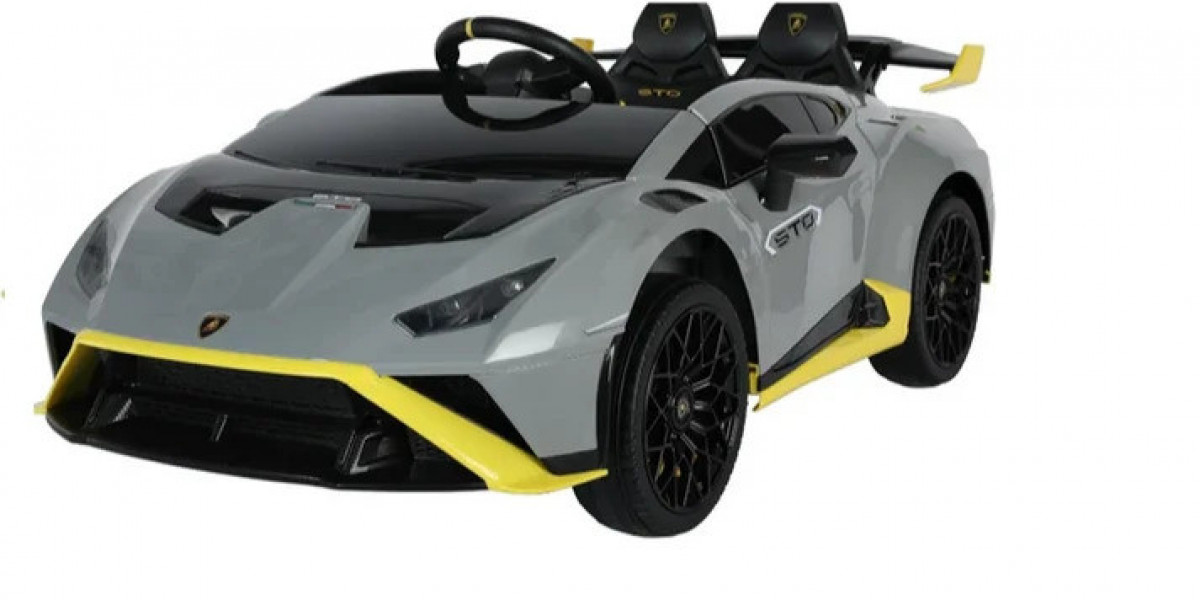

Outdoor play gives children a chance to move, explore, and create their own imaginative adventures away from screens and indoor routines. A ride-on vehicle can make that experience even more engaging, allowing children to pretend they are driving a car, going on a road trip, exploring a new destination, or simply enjoying a ride around the garden.
However, not every ride-on vehicle is designed for every outdoor surface.
A small model that works well on smooth flooring may not perform the same way on grass. A larger vehicle that feels comfortable in a spacious garden may be difficult to maneuver in a narrow driveway. Even factors such as tire design, ground clearance, motor configuration, rider weight, and battery capacity can influence how enjoyable the experience becomes.
That's why choosing a vehicle based on where your child will actually ride is just as important as choosing one based on its appearance.
If you're looking for kids cars for outdoor play, understanding the differences between riding environments can help you choose a model that better matches your child's needs.
This guide explores the main outdoor environments where children may use ride-on vehicles, what parents should consider for each surface, and how to create a safer and more enjoyable riding experience.
Why Outdoor Conditions Matter for Ride-On Cars
Ride-on vehicles may look similar, but their performance can vary significantly depending on the surface underneath them.
A smooth driveway offers relatively little resistance.
Grass creates more resistance.
Loose surfaces can make steering more difficult.
Slopes can affect acceleration and braking.
Uneven ground can place additional demands on wheels, suspension, and motors.
This means that choosing a ride-on vehicle isn't just about asking:
"Which car looks best?"
A better question is:
"Which vehicle is appropriate for the environment where my child will use it?"
Once you answer that question, many of the specifications become easier to understand.
Garden Riding: What Should Parents Consider?
Gardens are among the most popular places for children to use ride-on vehicles.
They provide a relatively controlled environment away from traffic and can give children plenty of room to practise steering and movement.
But gardens aren't always completely flat.
You may have:
Grass
Paving
Soil
Small inclines
Garden borders
Trees
Plants
Outdoor furniture
Before allowing a child to ride, walk around the area and identify anything that could create a hazard.
Choosing a Ride-On Car for Grass
Grass can be more challenging than smooth flooring.
The tires have to move through the grass while the motors overcome additional rolling resistance.
Several factors become important:
Motor Power
A vehicle with an appropriate motor configuration can perform better on suitable grass surfaces.
Tires
Tire design can affect traction and movement.
Weight
A heavier rider can increase the load placed on the motors.
Battery
More demanding surfaces can consume battery power faster.
Ground Clearance
Adequate clearance can help with minor surface irregularities.
Parents should still follow the manufacturer's instructions regarding suitable terrain.
A vehicle having large wheels doesn't automatically mean it is designed for rough or off-road use.
Why Grass Can Reduce Performance
Imagine two identical vehicles.
One is driven on smooth concrete.
The other is driven continuously across thick grass.
The second vehicle may need more effort from its motors to maintain movement.
This can result in:
Slower acceleration
Greater battery consumption
Reduced runtime
More strain on the drivetrain
This is normal.
It's one reason parents should consider the riding surface before purchasing a vehicle.
Smooth Driveways
A smooth driveway can be one of the easiest outdoor surfaces for a ride-on vehicle.
The surface is generally predictable and provides less resistance than grass.
However, driveways have one major concern:
Vehicles.
Children should never ride near moving cars.
Even if the driveway is private, parents should ensure that the riding area is separated from vehicle traffic.
Creating a Safe Driveway Riding Area
If your child will ride on a driveway, establish clear boundaries.
You can use visible markers to define where the child can drive.
The area should ideally be:
Flat
Clear
Away from traffic
Free of sharp objects
Away from stairs
Away from water
Supervised by an adult
The child should understand that the ride-on vehicle stays inside the designated area.
Patios and Paved Areas
Paved outdoor areas can provide another suitable riding surface.
They are generally smoother than grass and easier for many ride-on vehicles to navigate.
However, check for:
Uneven paving
Cracks
Drainage openings
Steps
Slopes
Loose objects
Even small obstacles can be significant for a child-sized vehicle.
Parks and Public Spaces
Parents sometimes consider taking ride-on vehicles to parks.
Before doing so, check whether the park permits ride-on toys or battery-powered vehicles.
Even if permitted, consider whether the environment is appropriate.
Public parks may contain:
Pedestrians
Cyclists
Playgrounds
Water features
Uneven surfaces
Crowded paths
A child riding a powered vehicle in a crowded environment can be difficult to supervise.
A controlled private space may often provide a better riding experience.
Why Space Matters
A ride-on vehicle needs enough room to:
Accelerate
Turn
Stop
Reverse
A larger vehicle may require a wider turning area.
This is especially important for SUV-style and two-seat models.
If your outdoor space is small, a compact vehicle may be easier to operate.
If you have a large garden, driveway, or suitable private area, you may have more flexibility.
Small Garden vs Large Garden
Your available space can influence which type of vehicle makes sense.
Small Garden
Consider:
Compact dimensions
Smaller turning radius
Moderate speed
Easy controls
A large two-seater may become difficult to maneuver.
Large Garden
You may have more flexibility.
You can consider:
Larger vehicles
Two-seat designs
Larger wheels
Outdoor-oriented models
But safety remains more important than available space.
Ride-On Cars for Younger Children
Younger children generally need simpler controls and more controlled speeds.
When choosing a vehicle for a younger child, consider:
Age recommendation
Weight capacity
Speed
Steering
Parental remote
Seatbelt
Vehicle size
A parental remote can be particularly useful for adults supervising a beginner.
Parents should remain close enough to intervene directly when necessary.
Ride-On Cars for Older Children
Older children may be comfortable using more advanced controls.
Depending on their age and the vehicle's specifications, they may enjoy:
Higher-capacity batteries
Multiple motors
Larger body styles
Two-seat vehicles
More realistic controls
Larger wheels
However, bigger doesn't automatically mean better.
The vehicle should still match the child's size and experience.
Tire Design and Outdoor Performance
Tires are one of the most overlooked components when choosing a ride-on vehicle.
Different tires can affect:
Traction
Noise
Comfort
Surface compatibility
Stability
Some models are designed primarily for smooth surfaces, while others are better suited to suitable outdoor areas.
Before purchasing, look at the product specifications rather than assuming that every ride-on vehicle can handle the same terrain.
Plastic Wheels vs More Advanced Tires
Basic plastic wheels can work well on smooth surfaces.
More advanced tire designs may provide better interaction with certain outdoor surfaces.
But tire material is only one factor.
A vehicle's:
Motor power
Weight
Suspension
Ground clearance
Wheel size
also influence performance.
Think about the entire vehicle rather than one component.
Ground Clearance for Outdoor Riding
Ground clearance becomes more relevant when riding outdoors.
A vehicle with low clearance may be more likely to make contact with uneven surfaces.
A higher chassis can provide more room underneath the vehicle.
However, children should never be encouraged to drive over large obstacles simply because a vehicle has greater clearance.
Ride-on vehicles are not intended to replace recreational off-road vehicles.
What About Suspension?
Some larger ride-on vehicles include suspension systems.
Suspension can help absorb minor changes in the surface and make the ride more comfortable.
It can be particularly useful when driving on suitable outdoor surfaces.
But parents should still avoid:
Large rocks
Deep holes
Steep slopes
Large bumps
Unsafe terrain
Suspension improves comfort; it doesn't make every surface suitable.
Riding on Slopes
Slopes require particular attention.
Even a small incline can affect:
Acceleration
Braking
Steering
Battery usage
Before allowing a child to ride on a slope, check the manufacturer's recommendations.
For younger children, flat surfaces are generally easier to control.
Never allow children to ride near steep drop-offs or slopes leading toward roads, water, or other hazards.
Why Flat Areas Are Better for Beginners
A flat riding area removes several variables.
The child only needs to learn:
Steering
Acceleration
Stopping
Forward movement
Reverse
They don't have to worry about the vehicle rolling downhill or struggling uphill.
Once the child becomes comfortable, parents can evaluate whether other suitable surfaces are appropriate.
Weather and Outdoor Play
Outdoor riding isn't suitable in every weather condition.
Parents should consider:
Rain
Wet surfaces
Extreme heat
Strong winds
Dust
Wet surfaces can reduce traction.
Water can also create problems for electrical components.
Unless the manufacturer specifically states otherwise, ride-on vehicles should not be treated as waterproof vehicles.
Rain and Electric Ride-On Cars
Electric ride-on vehicles contain batteries, motors, wiring, and electrical connections.
Exposure to water can potentially damage these components.
If rain begins, move the vehicle to a protected location.
Avoid leaving an electric ride-on outdoors in wet conditions.
After accidental exposure to water, follow the manufacturer's guidance before using the vehicle again.
UAE Heat and Outdoor Riding
The UAE's hot climate deserves special consideration.
Children shouldn't be encouraged to ride for long periods during extreme heat.
Parents should consider:
Time of day
Shade
Hydration
Vehicle temperature
Battery temperature
Early morning or later afternoon may provide a more comfortable outdoor environment than the hottest part of the day.
The vehicle should also be stored away from direct sunlight whenever possible.
Protecting the Battery From Heat
Battery care is particularly important in hot climates.
When the vehicle isn't being used:
Store it in a cool or shaded area.
Avoid direct sunlight.
Follow charging instructions.
Don't expose the battery to unnecessary heat.
Use the correct charger.
Parents should follow the manufacturer's specific battery-storage instructions because battery technologies and systems vary.
How Battery Usage Changes Outdoors
Outdoor surfaces can influence battery consumption.
A child riding on:
Smooth concrete
may use less energy than a child riding on:
Thick grass
Likewise, climbing a suitable incline can require more energy than driving on flat ground.
Speed also matters.
Continuous high-speed driving can reduce runtime compared with slower, intermittent use.
Choosing Between One and Two Seats for Outdoor Play
Two-seat ride-on vehicles can be appealing for siblings.
But outdoor space matters.
A two-seater is generally:
Larger
Heavier
Wider
This means it may need more room to turn and store.
If two children will ride together, check the combined weight limit.
Never exceed the manufacturer's maximum capacity.
Why Weight Matters Outdoors
Weight becomes particularly important on grass and inclines.
A vehicle carrying a heavier load may require more motor effort.
This can affect:
Acceleration
Battery consumption
Maneuverability
If you are considering a two-seat model, calculate the combined weight of the riders before purchasing.
Ride-On Cars for Different Outdoor Surfaces
Let's compare some common environments.
Surface | Main Consideration |
Smooth driveway | Space and traffic safety |
Concrete patio | Obstacles and edges |
Short grass | Tire and motor suitability |
Thick grass | Motor load and battery use |
Paved path | Pedestrians and obstacles |
Uneven ground | Ground clearance and suitability |
Sloped surface | Control and manufacturer guidance |
Wet ground | Traction and electrical safety |
This is a general guide. Always follow the individual vehicle's instructions.
Outdoor Safety Checklist
Before every riding session, parents can perform a quick inspection.
Check the Vehicle
Look at:
Tires
Steering
Seat
Seatbelt
Battery
Body
Controls
Check the Area
Look for:
Cars
People
Pets
Obstacles
Water
Steps
Sharp objects
Uneven surfaces
Check the Child
Make sure the child:
Is wearing suitable clothing
Understands the controls
Knows where they can ride
Is supervised
Is within the vehicle's recommended age and weight limits
This simple routine can prevent many avoidable problems.
Teach Children Outdoor Riding Rules
Before giving a child more freedom, establish clear rules.
For example:
Rule 1: Stay inside the designated riding area.
Rule 2: Stop when an adult says stop.
Rule 3: Never ride toward a road.
Rule 4: Stay seated while moving.
Rule 5: Keep hands and feet inside the vehicle.
Rule 6: Slow down near people.
Rule 7: Never ride near water.
Children may need reminders, particularly when they become excited.
Keep Pets Away During Riding
Pets can unexpectedly run into the path of a moving ride-on vehicle.
A dog or cat may suddenly cross in front of the child.
This can cause the child to panic or lose control.
If possible, keep pets away from the riding area while the vehicle is in use.
What About Other Children?
The same principle applies to siblings and friends.
Children running around the vehicle can create distractions.
If several children are playing together, designate a specific riding area and make sure children understand where the vehicle can and cannot go.
Outdoor Ride-On Cars and Imaginative Play
One of the biggest advantages of outdoor riding is the space it provides for imaginative games.
A garden can become:
A race track
A city
A construction site
A police station
An airport
A safari
A delivery route
The vehicle becomes part of a much larger play environment.
This can make the toy more engaging than simply driving back and forth.
Turning the Garden Into a Safe Mini Road
Parents can create simple imaginary roads using:
Cones
Chalk
Garden markers
Cardboard signs
Children can practise:
Turning
Stopping
Following directions
Navigating corners
Avoid creating obstacles that could cause the vehicle to tip or become trapped.
The goal is to create a playful environment, not a challenging obstacle course.
Why Outdoor Play Should Still Be Supervised
Even a controlled garden can contain unexpected risks.
Children may become distracted by:
Pets
Siblings
Toys
Insects
People
Sounds
A ride-on vehicle can also move faster than a child walking.
For younger riders especially, parents should remain nearby.
Choosing the Right Size for Outdoor Use
Size isn't just about whether the child fits inside.
It also affects how the vehicle interacts with the environment.
A larger vehicle may:
Need more turning space
Weigh more
Require more storage
Be harder to transport
A smaller vehicle may:
Be easier to maneuver
Require less storage
Work better in confined spaces
Choose according to the environment rather than simply selecting the largest available option.
Don't Confuse Ride-On Cars With ATVs
Some ride-on cars have rugged designs, large wheels, and SUV-inspired styling.
That doesn't necessarily make them suitable for difficult terrain.
Children's ride-on vehicles are designed for controlled recreational use.
Parents shouldn't assume that a vehicle can safely handle:
Sand dunes
Rocky terrain
Deep mud
Steep hills
Large obstacles
unless the manufacturer specifically states otherwise.
Storage After Outdoor Use
Outdoor use means the vehicle can accumulate:
Dust
Grass
Dirt
Sand
Clean the vehicle according to the manufacturer's instructions.
Check the wheels for debris and make sure the vehicle is dry before storage where applicable.
Store it in a protected area, especially in hot climates.
How to Make Your Ride-On Vehicle Last Longer
Proper care can help maintain the vehicle's condition.
Clean It Regularly
Remove dirt and grass after outdoor sessions.
Protect It From Sunlight
Direct sunlight can affect plastics and other components.
Look After the Battery
Follow charging and storage instructions.
Check the Tires
Inspect them for damage or excessive wear.
Check the Controls
Make sure steering and controls work properly.
Store It Properly
Use a dry, shaded location.
Should You Buy Based on Appearance?
A rugged-looking SUV might seem perfect for outdoor use.
But appearance doesn't tell you everything.
Before buying, check:
Battery voltage
Motor configuration
Weight capacity
Tire design
Ground clearance
Age recommendation
Speed
Dimensions
A vehicle's specifications tell you much more about its suitability than its appearance.
How to Compare Two Outdoor Ride-On Cars
Suppose you're comparing two models.
Instead of simply looking at the price, create a comparison.
Model A
Smaller body
One seat
Lower weight
Compact tires
Suitable for smooth surfaces
Model B
Larger body
Two seats
Higher capacity
Multiple motors
Larger outdoor-oriented tires
If your child has a small garden, Model A may make more sense.
If you have two children and a large private outdoor area, Model B may provide more practical value.
The right choice depends on your situation.
Is a More Expensive Outdoor Ride-On Better?
Not necessarily.
Price can reflect:
Larger battery
More motors
Larger dimensions
Better materials
Additional features
Two-seat design
But you shouldn't pay for features you don't need.
If your child only rides occasionally on a small paved area, a premium large vehicle may not provide meaningful additional value.
What Parents Should Check Before Buying
Use this checklist before placing an order:
1. Age recommendation
Does the vehicle suit your child?
2. Weight capacity
Can it support the rider or riders?
3. Surface compatibility
Is it suitable for your garden, driveway, or other intended area?
4. Motor configuration
Is it appropriate for the expected load?
5. Battery
Does the battery provide suitable runtime?
6. Tires
Are they appropriate for the surface?
7. Dimensions
Will the vehicle fit your riding and storage space?
8. Safety features
Does it have appropriate controls and protection?
9. Parental control
Would a remote be useful for your child?
10. Storage
Can you protect the vehicle from heat and weather?
Final Thoughts
Outdoor play can make a ride-on vehicle much more exciting for children, but the environment where the vehicle will be used should play a major role in the buying decision.
A vehicle that performs well on a smooth driveway may not provide the same experience on grass. A large two-seater may be perfect for a spacious garden but impractical in a small courtyard. A model with a larger battery may be useful for extended outdoor sessions, while a compact vehicle may be more suitable for occasional play.
That's why parents should look beyond appearance and price.
Consider the child's age and weight, the vehicle's motor and battery, tire design, ground clearance, dimensions, speed, and safety features. Most importantly, make sure the intended riding area is controlled and appropriate for the vehicle.
If you're comparing different models for outdoor play, browse the kids cars collection and compare the available designs and specifications before making your choice.
Once you've selected a suitable vehicle, regular maintenance and proper storage become equally important. Keep the vehicle protected from excessive heat and direct sunlight, especially in the UAE, and follow the manufacturer's instructions for charging and care.
Remember that outdoor riding should remain a supervised activity. Children should stay away from roads, moving vehicles, steep slopes, swimming pools, and other dangerous areas.
A ride-on vehicle doesn't need to conquer difficult terrain to provide an exciting experience. A safe garden, driveway, or suitable paved area can be more than enough for a child to create hours of imaginative adventures.
The best ride-on vehicle is ultimately the one that fits the child, the riding environment, and the family's lifestyle.
For families looking to explore more products for children's play, Toyzinn offers a wider range of toys and children's products to complement outdoor and indoor play.
Frequently Asked Questions
Can kids ride ride-on cars on grass?
Some ride-on vehicles are designed for suitable grass surfaces. Parents should check the manufacturer's recommendations, motor configuration, tire design, weight capacity, and ground clearance before using a vehicle on grass.
Are ride-on cars suitable for driveways?
A suitable driveway can provide a good controlled riding environment, provided the area is away from moving vehicles, stairs, slopes, and other hazards.
Can children ride electric cars outside?
Yes, many electric ride-on vehicles are intended for outdoor recreational use. Always check the individual model's specifications and recommended riding surfaces.
Can ride-on cars be used in the rain?
Parents should avoid exposing electric ride-on vehicles to rain unless the manufacturer specifically states that the model is designed for such conditions.
Are bigger ride-on cars better for outdoor use?
Not necessarily. Larger vehicles can offer more space and capacity but also require more room to maneuver and store.
Are two-seat ride-on cars suitable for siblings?
They can be if the vehicle is specifically designed for two riders and the combined weight remains within the manufacturer's recommended limit.
How should I protect a ride-on car in the UAE?
Store the vehicle away from direct sunlight and excessive heat. Follow the manufacturer's battery charging and storage instructions.









