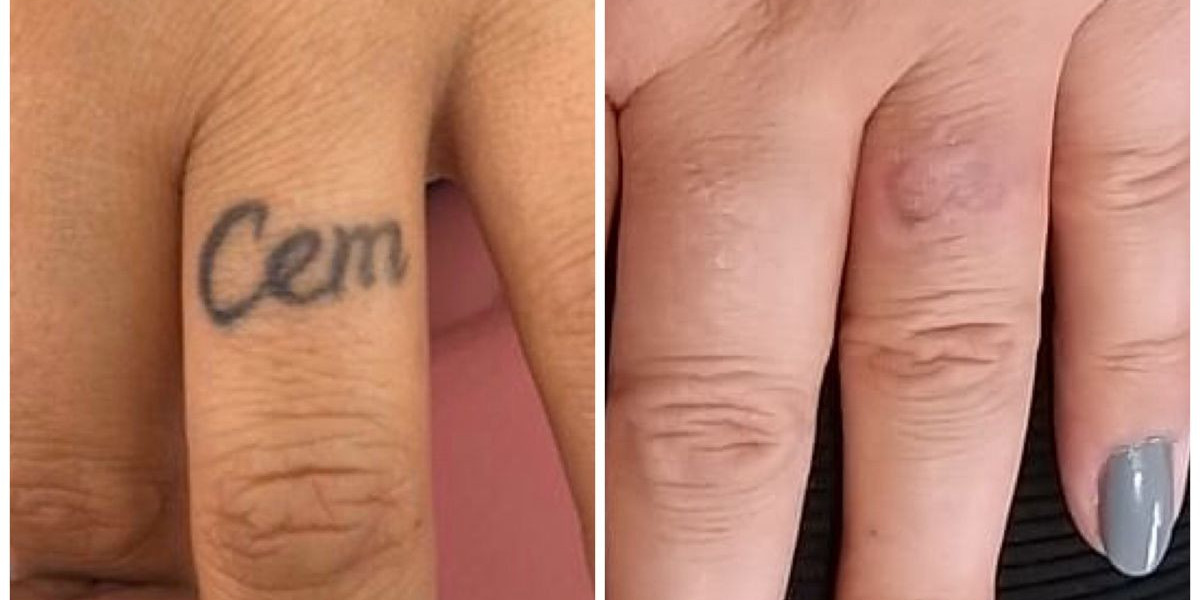

Removing an unwanted tattoo can be an important personal decision, but many people worry about what their skin will look like afterward. One of the most common concerns is whether tattoo removal can cause permanent scarring. Modern laser tattoo removal is designed to target tattoo pigment while minimizing damage to the surrounding skin, but side effects and complications are still possible.
Understanding the potential risks, what influences healing, and how to care for your skin can help you approach treatment with realistic expectations.
Can Laser Tattoo Removal Cause Scarring?
Laser tattoo removal can sometimes result in scarring, but permanent scars are not an inevitable outcome. The procedure uses focused laser energy to break tattoo pigment into smaller particles. The goal is to target the ink without unnecessarily damaging the surrounding skin.
Temporary redness, swelling, tenderness, blistering, or crusting can occur after treatment. These effects do not automatically mean that scarring will develop. In many cases, the skin gradually heals and returns closer to its normal appearance.
However, the possibility of scarring depends on factors such as treatment settings, skin type, tattoo characteristics, aftercare, and individual healing.
Why Can Scarring Occur?
Several factors may increase the risk of unwanted skin changes during tattoo removal. One important factor is inappropriate laser settings. If the energy level is not properly selected for the tattoo and skin, the treatment may cause unnecessary injury.
Another factor is the healing process. Picking, scratching, or removing scabs can damage newly healing skin and increase the possibility of scarring.
Previous scarring or skin conditions in the tattooed area may also influence the final appearance. During a consultation, a qualified provider can assess your skin and discuss factors that may affect your treatment.
What Are Common Side Effects?
It is important to distinguish normal temporary reactions from permanent scarring. After laser tattoo removal, the treated area may become red or swollen. Some people may experience warmth, sensitivity, or mild discomfort.
Blisters or crusting can also occur as the skin responds to treatment. These reactions may look concerning initially but can resolve during the healing process.
Following professional aftercare instructions is particularly important when these effects occur. Avoid touching or disturbing the area unnecessarily, and allow the skin to heal naturally.
Does Laser Type Affect Scarring Risk?
The technology used during laser tattoo removal can influence both treatment effectiveness and skin response. Different lasers and wavelengths are designed to target different tattoo pigments.
Choosing an appropriate laser and treatment setting is important for balancing pigment removal with skin protection. A trained professional should evaluate your tattoo's color, density, location, and your skin characteristics before selecting the treatment approach.
The newest or most powerful-looking equipment is not automatically the best choice for every tattoo. Proper assessment and technique are essential.
Can Darker Skin Be Treated Safely?
People with darker skin tones may have a higher risk of temporary pigmentation changes following certain laser treatments. These changes can include areas becoming temporarily lighter or darker than the surrounding skin.
This does not mean people with darker skin cannot undergo laser tattoo removal. Instead, treatment may require careful selection of laser settings and appropriate wavelengths.
A provider with experience treating a wide range of skin tones can help create a more suitable treatment plan and explain the potential risks before treatment begins.
How Can You Reduce the Risk of Scarring?
Good aftercare is one of the most important ways to support healthy recovery. Follow the instructions provided by your treatment professional rather than experimenting with unverified products or home remedies.
Keep the treated area clean and avoid picking, scratching, or peeling the skin. If blisters or crusts develop, allow them to heal naturally unless your provider gives different instructions.
Protecting the treated area from excessive sun exposure is also important. UV exposure can affect healing and may increase the risk of pigmentation changes.
Does Picking Increase the Risk of Scarring?
Yes, interfering with the healing skin can increase the risk of complications. After laser tattoo removal, crusts and scabs may form over the treated area. Although they can be tempting to remove, doing so may expose vulnerable skin.
Scratching can also introduce bacteria and increase the risk of infection. Instead, follow your provider's instructions and allow the skin to heal at its own pace.
If you notice unusual symptoms or have concerns about how the area is healing, contact your treatment provider for guidance.
Can Existing Scars Be Removed Along With the Tattoo?
If a tattoo already covers a scar, laser tattoo removal may remove or fade the tattoo pigment, but it does not necessarily eliminate the underlying scar.
Scar tissue can have different characteristics from normal skin and may respond differently to treatment. If your tattoo is located over an existing scar, mention this during your consultation.
Your provider can evaluate the area and explain what results may be realistic.
Why Professional Treatment Matters
The experience of your treatment provider is an important part of reducing unnecessary risks. Professional assessment allows the provider to choose appropriate laser settings, monitor your skin's response, and adjust future treatments when necessary.
Avoid attempting tattoo removal with unregulated devices or aggressive home methods. Improper treatment can cause burns, pigmentation problems, infection, or permanent skin damage.
A qualified professional can also provide specific aftercare instructions based on your skin and treatment response.
Final Thoughts
The possibility of scarring is a valid concern, but laser tattoo removal does not automatically result in permanent scars. Temporary redness, swelling, blistering, and crusting can occur during the healing process, while serious complications are less common when treatment is performed appropriately.
Your tattoo characteristics, skin tone, laser settings, aftercare, and individual healing response can all influence the outcome. Choosing an experienced provider and following proper aftercare can help support a safer recovery.
Before beginning treatment, schedule a professional consultation to discuss your tattoo, skin type, expected results, and potential risks. This can help you make an informed decision and approach the removal process with greater confidence.
| For more information visit Enfield royal clinic in islamabad |