
Managing employees involves much more than hiring and paying salaries. HR teams need to maintain employee records, track attendance, manage leave, handle onboarding, organize documents, monitor shifts, and support payroll processing.
When these activities are managed through spreadsheets, emails, and separate applications, HR teams can spend a significant amount of time on repetitive administrative work.
Employee Management Software provides a centralized solution for organizing employee information and automating important HR processes.
For startups, SMEs, and growing businesses, employee management software can create a more structured HR workflow while improving employee and manager access to important information.
What Is Employee Management Software?
Employee Management Software is a digital system that helps businesses manage employee-related information and HR processes from a centralized platform.
Instead of maintaining separate files for employee records, attendance, leave, documents, and other HR activities, businesses can manage these processes through one system.
Common capabilities include:
- Employee database management
- Attendance tracking
- Leave management
- Shift management
- Employee onboarding
- HR document management
- Payroll integration
- Employee self-service
- Workforce reporting
The exact features vary between platforms, so businesses should choose software according to their actual HR requirements.
Why Do Businesses Need an Employee Management System?
As employee numbers increase, manual HR administration becomes harder to control.
A small business may initially manage employee information through spreadsheets without major problems. However, maintaining these records becomes increasingly complicated as the company adds employees, departments, locations, and shifts.
Common challenges include:
- Scattered employee information
- Duplicate data entry
- Outdated employee records
- Manual attendance tracking
- Unorganized leave requests
- Difficult document management
- Time-consuming onboarding
- Payroll data inconsistencies
An Employee Management System can centralize these processes and reduce unnecessary administrative work.
Key Features of Employee Management Software
Employee Database Management
A centralized employee database allows HR teams to maintain important employee information in one location.
Depending on the platform, records may include:
- Employee details
- Department
- Designation
- Joining information
- Work location
- Contact information
- Documents
Centralized information makes employee administration easier and reduces dependency on multiple spreadsheets.
Employee Attendance Management
Attendance is an essential part of employee management.
Modern Attendance Management Software can record employee check-ins, check-outs, working hours, absences, and attendance history.
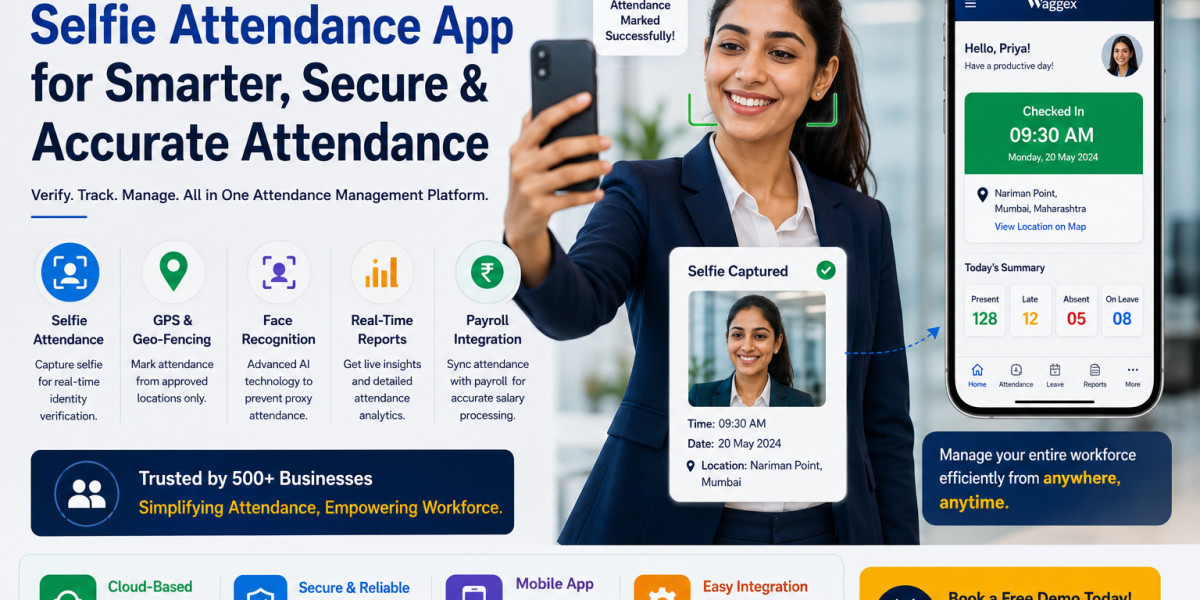
Businesses can use mobile attendance, GPS, geo-fencing, selfie attendance, or other methods depending on their requirements.
Employee Attendance App
A mobile Employee Attendance App can allow employees to mark attendance using their smartphones.
This is especially useful for:
- Remote employees
- Sales teams
- Field workers
- Service technicians
- Construction employees
- Employees working at client locations
Mobile access provides greater flexibility than systems that depend entirely on a fixed office device.
Leave Management
Managing leave through emails and spreadsheets can create confusion.
Leave Management Software allows employees to submit requests digitally while managers can review and approve them through a structured workflow.
This creates a centralized record of employee leave.
Shift Management
Businesses operating multiple shifts need a reliable way to schedule employees and monitor attendance.
Shift management can help HR teams organize employee schedules and compare planned shifts with actual attendance.
This can be particularly useful for:
- Manufacturing
- Healthcare
- Retail
- Hospitality
- Security services
- Logistics
Employee Onboarding
Employee onboarding involves collecting information, documents, and other details from new employees.
Employee Onboarding Software can help businesses create a more organized onboarding process.
Instead of collecting information through multiple emails and physical forms, businesses can centralize onboarding activities.
HR Document Management
Employee records often include important documents that need to be stored and accessed when required.
Digital HR document management can help businesses organize these records more efficiently.
Employee Self-Service Portal
An Employee Self Service Portal gives employees access to selected HR functions without requiring HR involvement for every request.
Depending on the platform, employees may be able to:
- View attendance
- Submit leave requests
- Access payslips
- Review employee information
- Manage certain HR requests
This can reduce repetitive queries handled by HR teams.
How Employee Management Software Supports Payroll
Employee management and payroll are closely connected.
Payroll teams may require information related to:
- Employee details
- Attendance
- Working days
- Leave
- Overtime
- Salary structure
When employee information and attendance data are connected with Payroll Software, HR teams can reduce manual data transfer.
A connected workflow may look like:
Employee Records → Attendance → Leave → Working Hours → Payroll → Payslip
This can make payroll administration more organized.
Benefits of Employee Management Software
1. Centralized Employee Information
HR teams can manage employee data from one location instead of maintaining multiple spreadsheets.
2. Reduced Administrative Work
Automation can reduce repetitive tasks such as updating records and collecting attendance information.
3. Better Data Accessibility
Authorized HR managers can access relevant employee information when required.
4. Improved Attendance Management
Digital attendance records make employee attendance easier to monitor and report.
5. Simplified Leave Management
Employees and managers can handle leave requests through a structured digital workflow.
6. Better Onboarding
A centralized onboarding process can make it easier to collect and organize new employee information.
7. Improved Employee Experience
Self-service features allow employees to access relevant HR information without depending on HR for every routine request.
Employee Management Software for Remote Employees
Remote work has changed how businesses manage employee information and attendance.
Employees may work from different cities, homes, co-working spaces, or client locations.
A cloud-based HR Management Software platform allows authorized users to access HR processes without being restricted to a single physical office.
Mobile attendance features can further support remote and distributed employees.
For organizations with field teams, GPS attendance and geo-fencing may provide additional location-based attendance controls.
Employee Management for Growing SMEs
SMEs often experience rapid workforce growth.
A business might begin with a small team where manual HR processes seem manageable. But as the organization grows, HR administration becomes more complex.
More employees mean:
- More attendance records
- More leave requests
- More documents
- More onboarding
- More payroll information
- More HR queries
This is where HRMS Software can provide greater structure.
Instead of adding more spreadsheets as the workforce expands, businesses can build automated processes from the beginning.
How Employee Management Software Improves HR Productivity
The objective of HR automation isn't to eliminate the HR team.
It is to reduce repetitive administrative work.
For example, HR teams can spend less time manually:
- Updating employee spreadsheets
- Collecting attendance
- Tracking leave
- Organizing documents
- Distributing payslips
- Answering routine employee queries
Automation allows HR professionals to spend more time on strategic activities such as recruitment, employee development, workforce planning, and engagement.
Who Should Use Employee Management Software?
Startups
Startups can create organized HR processes as their teams grow.
Small and Medium Businesses
SMEs can replace fragmented spreadsheets and manual HR processes with centralized management.
Manufacturing Companies
Manufacturers can manage employees, attendance, shifts, and payroll-related information.
Retail Businesses
Retail companies can manage employees across multiple stores and locations.
Construction Companies
Construction businesses can manage employees working across different project sites.
Staffing Agencies
Staffing organizations can maintain employee information and manage workers deployed at different client locations.
Field Service Businesses
Field teams can benefit from mobile attendance and workforce management capabilities.
What to Look for in Employee Management Software
Don't choose a platform just because it has the most features.
Evaluate it based on your actual business requirements.
Centralized Employee Records
Employee information should be easy to organize and access.
Attendance Integration
The platform should support your attendance requirements.
Payroll Integration
If payroll is a major HR responsibility, look for a platform that connects attendance and employee information with payroll processes.
Mobile Access
Mobile applications are particularly important for remote and field employees.
Employee Self-Service
Self-service can reduce repetitive HR requests.
Scalability
The system should be capable of supporting your organization as it grows.
Reporting
Useful reports can help HR teams understand attendance, workforce, and employee trends.
Waggex Employee Management Solution
Waggex is an all-in-one payroll, attendance, and HR automation platform designed for Indian businesses.
The platform brings multiple employee management processes together, including:
- Employee Management
- Employee Attendance App
- Selfie-Based Attendance
- Face Recognition Attendance
- GPS Attendance
- Geo-Fencing
- Leave Management
- Shift Management
- Employee Onboarding
- HR Document Management
- Employee Self-Service
- Payroll Automation
- Digital Payslips
- Attendance and Workforce Reports
By centralizing these processes, Waggex helps businesses reduce fragmented HR workflows and manage employees more efficiently.
Best Practices for Employee Management
Software is only useful when businesses establish clear processes around it.
Maintain Accurate Employee Information
Review employee records regularly and update outdated information.
Create Clear HR Policies
Employees should understand attendance, leave, working hours, and other workplace policies.
Automate Routine Processes
Use automation for repetitive activities wherever practical.
Encourage Employee Self-Service
Allow employees to manage routine HR activities themselves when appropriate.
Review Workforce Reports
Regularly analyze attendance and workforce data to identify operational issues.
The Future of Employee Management
Employee management is moving toward centralized and connected HR platforms.
Modern businesses increasingly want one system that can connect:
- Employee records
- Attendance
- Time tracking
- Leave
- Shifts
- Payroll
- Documents
- Onboarding
- Employee self-service
The objective is to create a connected HR environment rather than managing every process separately.
Conclusion
Employee Management Software can help businesses organize employee information and automate important HR processes.
From employee records and attendance to leave, onboarding, documents, payroll, and self-service, a centralized platform can reduce administrative work and improve workforce visibility.
For SMEs and growing organizations, adopting the right system early can also create scalable HR processes that are easier to manage as the workforce expands.
Waggex combines employee management, attendance, payroll, and HR automation features to help Indian businesses manage their workforce through a centralized platform.
Frequently Asked Questions
What is Employee Management Software?
Employee Management Software is a digital platform used to manage employee information and HR processes such as attendance, leave, onboarding, documents, and payroll-related activities.
Is Employee Management Software useful for SMEs?
Yes. SMEs can use it to centralize employee records, automate HR processes, and reduce repetitive administrative work.
Can employee management software track attendance?
Yes. Many platforms include attendance management or integrate with an Employee Attendance App.
Can Employee Management Software connect with payroll?
Yes. When employee, attendance, leave, and payroll processes are integrated, HR teams can reduce manual data transfer.
Can employees access HR information themselves?
Many platforms provide employee self-service features that allow employees to access selected HR information and submit routine requests.








