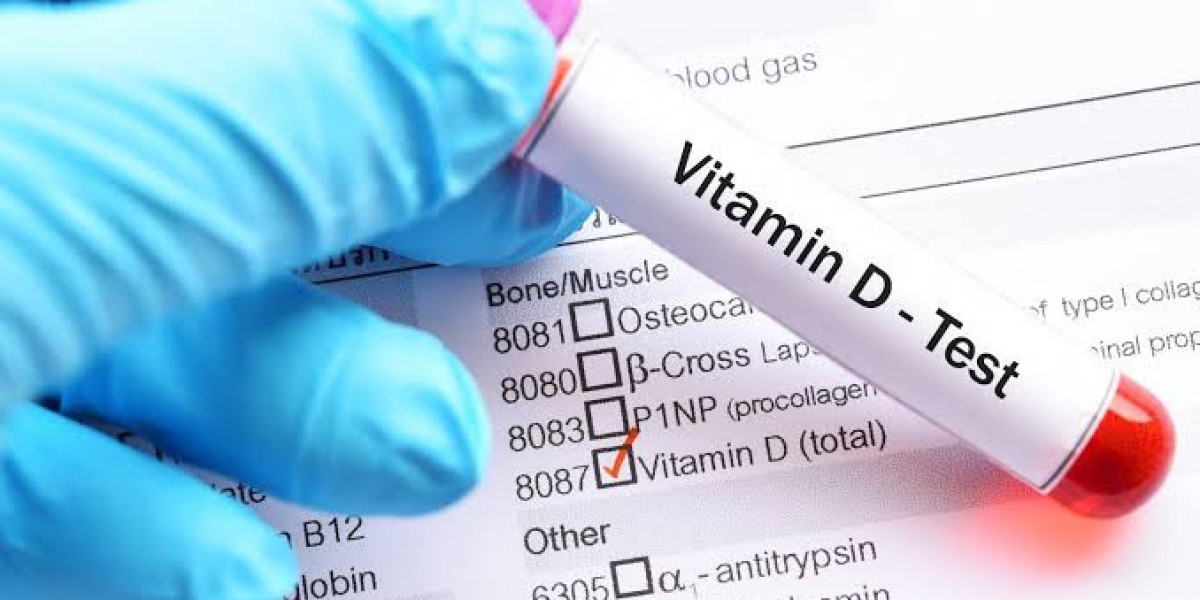

Monitoring vitamin D levels does not always require a traditional laboratory visit. Vitamin D Tests At Home in Dubai can provide a convenient option for people who want to collect a blood sample from home and have it analyzed by a laboratory. A Doctor at Home can also offer professional guidance when you need help deciding whether testing is appropriate or understanding your results. Finger-prick testing is one of the common methods used in home testing kits, requiring only a small blood sample from the fingertip. Understanding how the process works, how to prepare, and what can affect the sample can help make home vitamin D testing easier and more reliable.
What Is a Finger-Prick Vitamin D Test?:
A finger-prick vitamin D test is a blood test that uses a small sample of capillary blood collected from the fingertip. Instead of having blood drawn from a vein by a healthcare professional, the individual collects the sample using the materials supplied in the testing kit. Depending on the provider, the blood may be placed on a collection card or into a small container designed for laboratory testing. The sample is then prepared and sent to the designated laboratory. Most standard vitamin D tests measure 25-hydroxyvitamin D, also known as 25(OH)D, which is the primary blood marker used to assess vitamin D status.
How Does a Finger-Prick Test Work?:
The basic process involves preparing the collection area, using a single-use lancet to obtain a small blood sample, and transferring the sample according to the kit's instructions. The exact procedure can differ between providers, so users should always follow the instructions included with their specific kit. A typical process may involve:
- Washing and thoroughly drying your hands
- Preparing the supplied collection materials
- Using the lancet as directed
- Allowing blood to form naturally
- Collecting the required amount of blood
- Applying the sample to the designated collection device
- Preparing the sample for shipment
- Sending it to the specified laboratory
Careful attention to each step helps reduce the risk of an insufficient or unusable sample.
Why Is 25-Hydroxyvitamin D Measured?:
The majority of standard vitamin D blood tests measure 25(OH)D because it provides an indication of vitamin D status over time. Vitamin D enters the body through sunlight exposure, food, and supplements and is converted into different forms. Measuring 25(OH)D gives healthcare professionals useful information when assessing whether vitamin D levels are within an appropriate range. Home test reports typically provide a numerical measurement along with units and a laboratory reference range. The result should be interpreted using the information provided by the specific laboratory rather than relying solely on general online charts.
What Makes Finger-Prick Testing Convenient?:
The biggest advantage of finger-prick home testing is convenience. Traditional blood testing often requires travel to a clinic or laboratory, scheduling, and waiting for sample collection. A home kit allows the individual to collect a small sample according to the provider's instructions and return it for analysis. This may be particularly useful for people with busy schedules or those who find laboratory visits inconvenient. Other potential benefits include:
- Sample collection in a familiar environment
- Less travel and waiting
- Flexible timing
- Simple collection equipment
- Convenient digital access to results
- Useful monitoring when repeat testing is appropriate
How Should You Prepare for a Finger-Prick Test?:
Preparation requirements vary between test providers, so reading the complete instructions before starting is important. Make sure the kit is intact, within its stated validity period, and contains all required materials. Wash and dry your hands thoroughly if instructed, and prepare a clean surface where you can comfortably collect the sample. Some providers may offer specific recommendations for warming the hands or positioning the finger to encourage blood flow. Do not improvise if you encounter difficulties; instead, follow the kit's instructions or contact the provider for clarification.
How Do You Collect the Blood Sample?:
The finger-prick process typically uses a sterile, single-use lancet to make a small puncture in the fingertip. The location and technique depend on the particular collection device. Once the finger has been punctured, blood is allowed to form naturally and is then collected using the supplied card or container. Avoid excessive squeezing unless the instructions specifically recommend it, as improper collection can potentially affect the quality of the sample. The required amount of blood should be collected according to the provider's instructions. If the sample does not appear adequate, follow the provider's guidance rather than repeatedly attempting collection without instructions.
What Can Affect the Quality of the Sample?:
Sample quality is an important part of home testing. A sample may be unsuitable if there is not enough blood, if the collection device is used incorrectly, or if the sample is contaminated or improperly handled. Environmental conditions and delays in returning the sample may also matter depending on the collection system. Users should therefore follow the storage and shipping requirements precisely. Common issues to avoid include:
- Starting without reading the instructions
- Using expired or damaged materials
- Collecting too little blood
- Touching the sample area unnecessarily
- Improperly storing the collected sample
- Using incorrect packaging
- Delaying shipment beyond the recommended timeframe
Does Finger-Prick Testing Hurt?:
A finger-prick test generally involves a small puncture and may cause brief discomfort. The sensation varies between individuals and typically lasts only a short time. Following the collection instructions carefully can make the process easier. Preparing the required materials beforehand and remaining relaxed can also help. If you have concerns about collecting your own blood sample or have previously experienced difficulty with finger-prick testing, consider whether another testing method may be more suitable for your circumstances.
Is a Finger-Prick Vitamin D Test Accurate?:
The usefulness of a finger-prick vitamin D test depends on the entire testing process, including the sample collection method, laboratory analysis, and handling of the specimen. Many home tests involve collecting the sample at home but sending it to a laboratory for analysis. The laboratory's analytical method and quality procedures therefore play an important role. At the same time, the person collecting the sample must follow the instructions carefully. An inadequate sample may require recollection. If an at-home result is unexpected or does not match previous measurements, a healthcare professional may recommend confirmation with another laboratory test.
Are Finger-Prick and Venous Blood Tests the Same?:
Finger-prick testing uses capillary blood, while conventional laboratory testing commonly uses venous blood collected from a vein. These are different collection methods, and results may not always be directly interchangeable between testing systems. The testing method used by the laboratory also matters. A properly designed and processed finger-prick test can provide useful information, but healthcare professionals may recommend conventional venous testing in certain situations. If you are monitoring vitamin D levels over time, using the same or comparable testing method where practical can make results easier to compare.
How Should You Send the Sample to the Laboratory?:
After collecting the sample, follow the provider's instructions for preparing and returning it. Some kits require the blood sample to dry for a specified period before packaging, while others may use a different system. The sample should be placed in the supplied packaging and returned according to the stated shipping instructions. Do not substitute your own packaging or storage method unless the provider specifically permits it. The sooner the sample reaches the laboratory within the recommended timeframe, the more likely it is to be processed according to the provider's intended procedure.
How Long Does It Take to Receive Results?:
The time required to receive results varies between testing providers and depends on sample transportation, laboratory processing, and reporting procedures. Some services may provide results within several days after the laboratory receives the sample, while others may take longer. Shipping delays, weekends, holidays, or an inadequate specimen can affect the turnaround time. Before ordering a kit, review the provider's estimated processing period and determine when the stated timeframe begins. Results may be delivered through an online portal, email, or another secure reporting system.
How Should You Read Your Vitamin D Results?:
A typical report provides a 25(OH)D measurement, the unit of measurement, and a laboratory reference range. Common units include ng/mL and nmol/L, and these values should not be compared directly without accounting for the difference in units. Reference ranges may also vary between laboratories. A result outside the stated range does not automatically explain why your vitamin D level is unusual or determine what treatment you need. Professional interpretation may be appropriate, particularly when results are significantly outside the expected range or differ considerably from previous measurements.
Can Lifestyle Affect Your Vitamin D Results?:
Lifestyle and environmental factors can contribute to changes in vitamin D status. Sun exposure, diet, supplementation, time spent outdoors, seasonal changes, and certain health conditions may all influence vitamin D levels. Changes in routine can therefore lead to differences between test results. For example, spending more time indoors may reduce opportunities for sunlight exposure, while changes in diet or supplementation may alter vitamin D intake. Keeping track of significant lifestyle changes can provide useful context when reviewing results over time.
Should You Change Supplements Before Testing?:
It is generally not advisable to change your normal supplementation routine simply to influence a test result unless a qualified healthcare professional gives you specific instructions. The purpose of testing is to measure your vitamin D status under appropriate conditions, not to achieve a particular number. If you regularly take vitamin D supplements, record the product and routine and mention this information when discussing your results. Excessive supplementation can have health consequences, so vitamin D should be used responsibly and according to appropriate professional guidance.
Who May Benefit From Home Vitamin D Testing?:
Home testing may be convenient for individuals who have been advised to monitor their vitamin D levels or who need a practical way to collect a sample. However, testing is not necessarily required for everyone. A healthcare professional can help determine whether testing is appropriate based on individual circumstances, health history, symptoms, and risk factors. People with known medical conditions, persistent concerns, or unusual previous results may require a broader evaluation rather than relying exclusively on an at-home test.
When Should You Seek Professional Guidance?:
Professional advice is particularly important if your result is unexpectedly low or high, if you have ongoing health concerns, or if your result differs significantly from previous measurements. A healthcare professional can review the result alongside your medical history, lifestyle, supplement use, and other relevant information. They can also determine whether repeat testing or additional evaluation may be appropriate. Home testing can provide convenient information, but it should complement rather than replace professional healthcare when further assessment is necessary.
Tips for a Successful Finger-Prick Vitamin D Test:
A few simple preparations can make the home testing process smoother and reduce avoidable collection problems. Read the entire instruction guide before opening the collection materials, prepare a clean workspace, and make sure you have enough time to complete the process without rushing. Keep the sample away from contamination and package it exactly as directed. If something goes wrong during collection, contact the testing provider rather than guessing how to correct the problem.
Key tips include:
- Check the kit before use.
- Follow every collection instruction carefully.
- Keep your hands clean and dry.
- Use only the supplied sterile equipment.
- Collect the required sample amount.
- Handle the sample according to instructions.
- Return it within the recommended timeframe.
- Keep your results for future comparison.
Final Thoughts:
Finger-prick vitamin D testing offers a convenient approach to monitoring vitamin D status without requiring every sample to be collected at a traditional laboratory. Vitamin D Tests At Home in Dubai can make testing more accessible by allowing individuals to collect a small blood sample at home and send it for laboratory analysis. The reliability of the result depends on proper collection, handling, transportation, and laboratory processing. By following the kit instructions carefully, understanding what the 25(OH)D measurement represents, and seeking professional guidance when results are unexpected, home testing can become a practical part of responsible vitamin D monitoring.