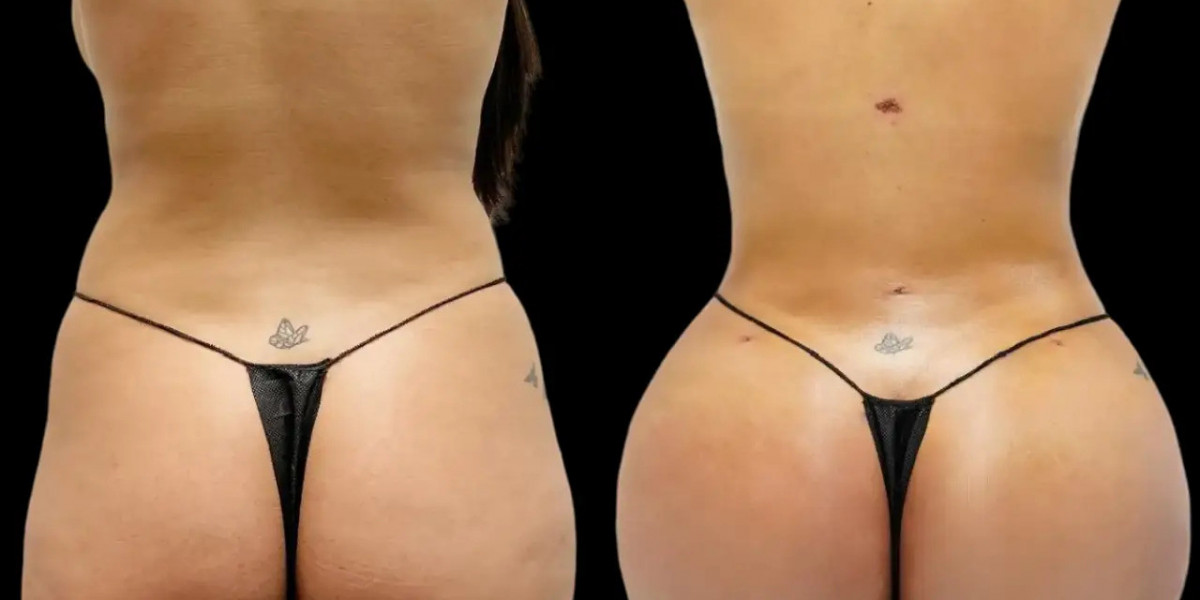

What Is Fat Transfer and Why Does Sleep Matter?
Fat transfer, also known as fat grafting, is a cosmetic procedure that uses fat from one part of the body and transfers it to another area. The goal is to add volume and create a more balanced appearance.
Fat transfer may be used for different areas, including the face, breasts, buttocks, and under-eye area. Each treatment area has different recovery needs, so sleeping instructions can vary.
After treatment, the transferred fat needs time to settle and establish a blood supply. Pressure, friction, and unnecessary movement may make recovery less comfortable. This is why your sleeping position matters.
A good sleep routine can help you:
- Feel more comfortable during recovery.
- Reduce unnecessary pressure on treated areas.
- Support your normal healing process.
- Avoid disturbing the treated area while sleeping.
- Get enough rest while your body recovers.
The most important rule is to follow the specific sleeping instructions given by your treatment provider. The correct position depends on where the fat was transferred and where fat was taken from.
How to Sleep After Fat Transfer in Dubai
After Fat transfer in dubai, sleeping comfortably may require a few changes to your usual routine. You may not be able to sleep in your favorite position immediately, but small adjustments can make a big difference.
The first step is to understand which areas need protection. If fat was transferred to your buttocks, you may need to avoid direct pressure on that area. If the treatment involved your face, you may need to keep pressure away from the treated area.
Try to create a comfortable sleeping space before your procedure. Prepare extra pillows, clean bedding, and loose clothing. Having everything ready can make the first few nights easier.
Choose a Sleeping Position That Protects the Treated Area
Your sleeping position should reduce pressure on the area where fat was transferred.
For example:
- After buttock fat transfer, your provider may recommend sleeping on your stomach or using a position that keeps pressure off your buttocks.
- After facial fat transfer, sleeping on your back with your head slightly elevated may be more comfortable.
- After breast fat transfer, you may be advised to sleep on your back and avoid pressure on the breasts.
- After under-eye fat transfer, sleeping on your back with your head elevated may help reduce discomfort and swelling.
These are general examples, not universal instructions. Your provider may recommend a different position depending on your treatment.
Best Sleeping Position After Fat Transfer
There is no single sleeping position that works for everyone after fat transfer. The best position depends on the treatment area.
Sleeping on Your Back
Sleeping on your back is often useful after facial fat transfer and some other procedures because it can help keep pressure away from the treated area.
To make back sleeping more comfortable:
- Use a supportive pillow under your head.
- Keep your neck in a natural position.
- Place a pillow under your knees if it helps your lower back relax.
- Use pillows beside your body to reduce rolling during sleep.
- Keep your bedding comfortable and breathable.
If you are not used to sleeping on your back, practice this position before treatment. It may help you adjust more easily.
Sleeping on Your Stomach
Sleeping on your stomach may be recommended after certain buttock fat transfer procedures because it can reduce direct pressure on the buttocks.
However, stomach sleeping may not be suitable after every procedure. It can place pressure on the breasts, abdomen, or other treated areas.
If your provider recommends stomach sleeping, use a comfortable mattress and avoid positions that cause pain or strain. Do not force yourself into a position that makes breathing difficult or causes discomfort.
Sleeping on Your Side
Side sleeping may be comfortable for some people, but it is not always suitable immediately after fat transfer.
If the treated area is on your face, breasts, or buttocks, lying on your side may create pressure or friction. Your provider can tell you when side sleeping is safe.
If side sleeping is allowed, place a pillow between your knees to support your hips and help maintain a comfortable position.
How to Reduce Swelling While Sleeping
Swelling is a common part of recovery after cosmetic procedures. It may be more noticeable during the first few days, although the recovery timeline varies.
One simple way to improve comfort is to keep your head slightly elevated when sleeping, especially after facial fat transfer.
Use Extra Pillows for Support
A supportive pillow arrangement can help you stay in a comfortable position.
You may try:
- One pillow under your head.
- A second pillow for additional support if needed.
- A pillow under your knees when sleeping on your back.
- Pillows beside your body to prevent unwanted rolling.
Avoid using too many pillows if they bend your neck or make breathing uncomfortable.
Keep Your Head Slightly Elevated
After facial procedures, mild head elevation may help with comfort and swelling. A wedge pillow or adjustable bed may be useful.
Do not raise your head so much that your neck feels strained. The goal is a comfortable, supported position.
If your provider has given you specific instructions about elevation, follow those instructions.
Sleeping After Facial Fat Transfer
Facial fat transfer is often performed to restore volume and improve facial contours. It may involve areas such as the cheeks, temples, lips, or under-eye region.
After facial treatment, it is important to avoid unnecessary pressure on the face.
Protect Your Face During Sleep
To sleep comfortably after facial fat transfer:
- Sleep on your back if recommended.
- Keep your head slightly elevated.
- Avoid pressing your face into the pillow.
- Use clean pillowcases.
- Avoid rubbing or massaging treated areas unless instructed.
- Keep your sleeping area calm and comfortable.
Try to avoid sleeping face down because it can put pressure on the face.
When Can You Sleep on Your Side After Facial Fat Transfer?
The answer depends on the treatment area and your recovery.
Some people may be advised to avoid side sleeping for a period after facial fat transfer. Others may receive different instructions depending on the procedure.
Do not assume that side sleeping is safe simply because swelling has reduced. Ask your provider when you can return to your usual sleeping position.
Sleeping After Under Eye Fat Transfer
under eye fat transfer is a treatment used to add volume to the under-eye area. Because the skin around the eyes is delicate, sleeping habits may be especially important during recovery.
You may experience swelling, puffiness, or mild bruising after treatment. These effects can vary from person to person.
Tips for Comfortable Sleep After Under Eye Treatment
Here are some simple tips:
- Sleep on your back if recommended.
- Keep your head slightly elevated.
- Avoid pressing your eyes or cheeks into the pillow.
- Do not rub your eyes while sleeping or waking.
- Use clean bedding.
- Follow all aftercare instructions carefully.
Avoid placing ice or cold packs directly on the treated area unless your provider has advised you to do so. The under-eye area is sensitive, and excessive pressure may cause discomfort.
How Long Should You Sleep on Your Back?
The recommended duration varies. Some people may need to sleep on their back for several nights, while others may need to continue longer.
The right duration depends on the procedure, the amount of fat transferred, and your healing progress. Your provider can give you the most appropriate guidance.
Sleeping After Buttock Fat Transfer
Buttock fat transfer requires special attention to pressure during recovery. Sitting and sleeping directly on the treated buttocks may not be recommended during the early healing period.
If you have undergone buttock fat transfer, your provider may recommend sleeping on your stomach or another position that protects the treated area.
How to Sleep Without Pressure on the Buttocks
To make sleeping more comfortable:
- Use a supportive mattress.
- Sleep in the position recommended by your provider.
- Place pillows for support where appropriate.
- Avoid rolling onto the treated area.
- Keep your bedding comfortable.
- Avoid positions that cause pain or pressure.
Do not use a special cushion or pillow arrangement unless it is suitable for your procedure. Some cushions are designed for sitting rather than sleeping and may not provide the protection you need.
Can You Sleep on Your Back After Buttock Fat Transfer?
Sleeping on your back may place direct pressure on the buttocks. For this reason, it is often avoided during the early recovery period after buttock fat transfer.
However, the correct sleeping position and the time needed to avoid pressure depend on your treatment plan. Follow your provider's instructions rather than choosing a position based only on general advice.
Fat Transfer Cost in Dubai and Recovery Planning
When people research Fat transfer cost in dubai, they often focus on the treatment price. However, recovery planning is also an important part of the experience.
The overall fat transfer cost may depend on several factors, including the treatment area, the amount of fat transferred, and the procedure involved.
Recovery planning may include:
- Time away from work.
- Comfortable sleeping arrangements.
- Appropriate clothing.
- Transportation and support at home.
- Follow-up appointments.
- Any recommended recovery supplies.
The fat transfer prices offered by different providers may vary. It is important to understand what is included in the treatment and what additional recovery expenses you may need to consider.
A comfortable recovery plan can make the experience easier, regardless of the treatment area.
Fat Transfer Cost: What to Consider Before Treatment
Before choosing a fat transfer procedure, consider more than the price alone.
Ask about:
- The treatment area.
- Expected recovery time.
- Sleeping restrictions.
- Sitting or movement restrictions.
- Follow-up care.
- Possible additional costs.
- When you can return to normal activities.
Understanding these details can help you prepare for recovery and avoid unnecessary stress.
Common Mistakes to Avoid While Sleeping After Fat Transfer
Some sleeping habits may make recovery less comfortable. Avoid the following mistakes unless your provider specifically recommends otherwise.
Sleeping Directly on the Treated Area
Direct pressure may cause discomfort and may interfere with the protection needed during healing.
Changing Positions Too Frequently
Moving around during sleep is normal, but excessive movement may make it difficult to maintain the recommended position.
Use pillows for support if they help you stay comfortable.
Using Too Many Pillows
Too many pillows can strain your neck or back. Choose a setup that supports your body naturally.
Ignoring Pain
Mild discomfort may be expected, but significant or increasing pain should not be ignored.
If you experience unusual pain, contact your treatment provider.
Returning to Normal Sleeping Too Quickly
Even if you feel better, the treated area may still need protection. Follow the recommended recovery timeline.
How to Make Your Bed More Comfortable After Treatment
A comfortable bed can help you rest more easily during recovery.
Consider preparing the following items before treatment:
- Clean and soft pillowcases.
- Supportive pillows.
- A wedge pillow if recommended.
- Loose and comfortable sleepwear.
- Extra blankets.
- Water near your bed.
- A small bedside table for essentials.
Keep the room at a comfortable temperature. Avoid anything that makes you sweat excessively or feel uncomfortable.
If you have difficulty getting into or out of bed, ask someone to help you during the first few days.
When Can You Return to Your Normal Sleeping Position?
The time needed to return to normal sleeping varies from person to person.
It depends on:
- The area treated.
- The amount of fat transferred.
- Your healing process.
- Swelling and discomfort.
- Your provider's instructions.
Some people return to their normal sleeping position relatively quickly, while others need more time.
Do not rush the process. Returning to your usual position should be based on your recovery and the advice you receive.
Best Doctors in Dubai and Recovery Guidance
When researching cosmetic procedures, people often search for Best doctors in dubai. Choosing a qualified and experienced treatment provider is important for understanding the procedure and recovery process.
For this article, the main focus is sleeping comfortably after fat transfer. Your provider should explain:
- How to sleep after your specific treatment.
- Which areas need protection.
- How long to avoid pressure.
- When you can sleep on your side or back.
- What to do if you experience discomfort.
Good communication before treatment can help you prepare for a smoother recovery.
Dr. Perfect Celebrity: What to Ask About Sleeping After Treatment
If you are researching Dr. perfect celebrity or other cosmetic treatment options, make sure you understand the recovery instructions before your procedure.
Ask clear questions about sleeping positions and daily activities.
For example:
- Can I sleep on my back after treatment?
- When can I sleep on my side?
- Do I need to sleep on my stomach?
- How should I reduce pressure on the treated area?
- How long should I follow special sleeping instructions?
- What should I do if I wake up on the wrong side?
Knowing the answers can help you feel more prepared.
Perfect Doctors Clinic: Preparing for a Comfortable Recovery
People searching for Perfect Doctors Clinic may also want to understand what recovery after fat transfer involves.
Regardless of where treatment is performed, it is important to receive clear aftercare instructions.
Before your procedure, ask about sleeping arrangements, recovery supplies, and the expected timeline for returning to normal activities.
The more prepared you are, the easier it may be to manage your recovery.
Best Fat Transfer Surgeon in Dubai: Why Recovery Instructions Matter
People looking for the Best fat transfer surgeon in dubai or Best fat transfer surgeon in dubai often want a successful treatment and a comfortable recovery.
Sleeping instructions are an important part of aftercare. The right position can help reduce pressure on treated areas and make rest more comfortable.
However, the best sleeping position is not the same for every person. It depends on the procedure and the area treated.
Always follow the specific instructions given to you.
Best Fat Transfer Surgeons in Dubai: Questions About Aftercare
When comparing Best fat transfer surgeons in Dubai, it is helpful to ask about aftercare before making a decision.
Important questions include:
- How long will I need to protect the treated area?
- What sleeping position do you recommend?
- When can I return to side sleeping?
- Will I need to avoid sitting or lying on certain areas?
- What signs should I watch for during recovery?
- When can I return to exercise and normal activities?
These questions can help you understand what to expect after treatment.
Signs You Should Contact Your Treatment Provider
Mild swelling, bruising, and discomfort may occur after fat transfer. However, some symptoms need medical attention.
Contact your treatment provider if you experience:
- Severe or increasing pain.
- Sudden or unusual swelling.
- Increasing redness or warmth.
- Fever.
- Unusual drainage.
- Difficulty breathing.
- Chest pain.
- Any symptom that concerns you.
Difficulty breathing or chest pain after a procedure requires urgent medical attention.
Do not try to manage serious symptoms by changing your sleeping position.
Final Thoughts on Sleeping Comfortably After Fat Transfer
Sleeping comfortably after fat transfer is possible with the right preparation and aftercare.
The most important steps are to protect the treated area, choose a supportive sleeping position, and follow your provider's instructions.
Whether you are considering facial fat transfer, under eye fat transfer, or another type of fat grafting, recovery planning matters.
Remember these key tips:
- Sleep in the position recommended for your treatment.
- Avoid direct pressure on the treated area.
- Use pillows for support.
- Keep your head elevated when advised.
- Prepare your sleeping space before treatment.
- Do not rush back to normal sleeping positions.
- Contact your provider if you experience unusual symptoms.
A good recovery routine can help you feel more comfortable and confident throughout the healing process. fat transfer in dubai may be an exciting cosmetic journey, but proper aftercare is an important part of achieving a safe and comfortable recovery.





