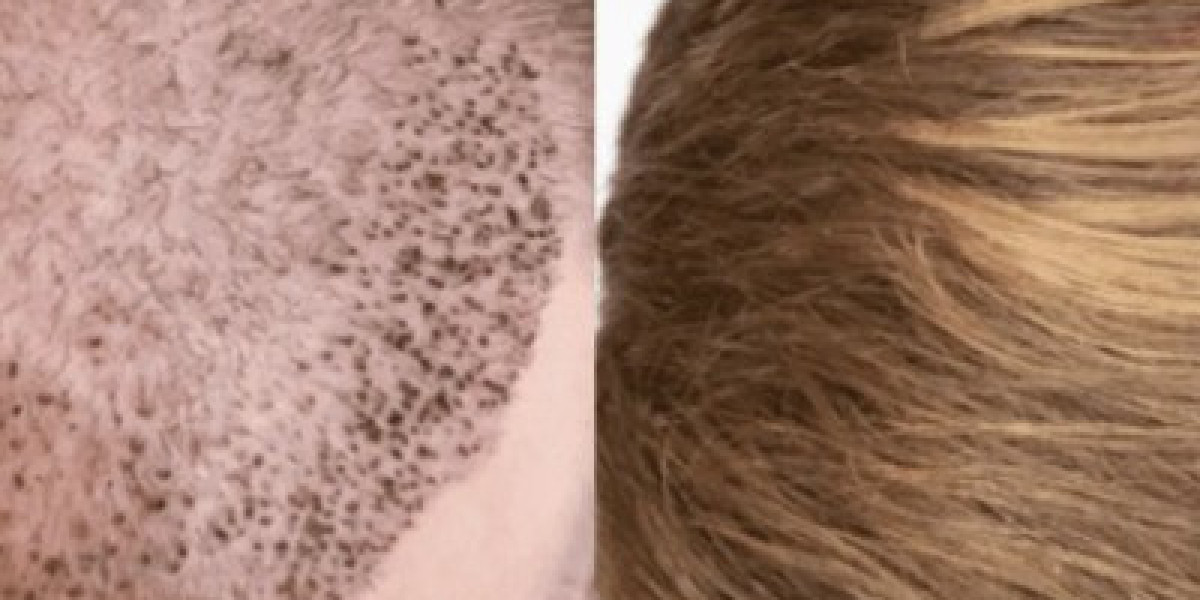

Thinning hair can develop gradually and may become more noticeable as time passes. For some people, the changes are limited to the hairline or temples, while others experience reduced density across the crown and top of the scalp. Although thinning hair is common, it can affect a person's confidence and make styling more difficult.
A hair transplant can provide a long-term approach to restoring areas where hair has become noticeably thin. Instead of relying on temporary products to disguise reduced density, transplantation moves healthy hair follicles from a suitable donor area to areas that need additional coverage. With careful planning and professional treatment, the transplanted hair can blend naturally with existing growth.
Understanding the Causes of Thinning Hair
Before considering a hair transplant, it is important to understand why hair is becoming thinner. Hereditary or pattern hair loss is one of the most common causes. Hormonal changes, aging, certain medical conditions, nutritional deficiencies, stress, and some medications can also contribute to hair thinning.
Because the underlying cause can vary, a professional evaluation is important. A specialist can examine the scalp, review the pattern of hair loss, and determine whether transplantation is appropriate.
A transplant may be most suitable when the areas of thinning are stable and the individual has an adequate supply of healthy donor follicles.
How Hair Transplant Restores Thinning Areas
A hair transplant works by relocating hair follicles from a donor region to areas where additional density is desired. The donor area is usually selected from a part of the scalp with stronger, more stable hair growth.
Depending on the technique, follicles may be extracted individually or removed as part of a strip of scalp tissue. The harvested follicles are carefully prepared before being placed into small recipient sites.
The surgeon considers the existing hair pattern, growth direction, density, and desired coverage. Strategic placement can help create a smooth transition between transplanted and existing hair.
Creating a Fuller-Looking Hairline
One of the most noticeable effects of thinning hair is a changing hairline. Receding temples and reduced frontal density can alter the overall appearance of the face.
A hair transplant can be used to restore selected areas of the frontal hairline. Rather than creating an excessively straight line, specialists generally aim for a design that follows natural growth patterns.
The patient's facial structure, age, existing hairline, and possible future hair loss should be considered. A well-planned hairline can help the restored area blend with the surrounding scalp.
Improving Crown and Scalp Density
Thinning does not always begin at the front. Some people experience reduced density around the crown or vertex of the scalp. These areas can also be considered for hair restoration when sufficient donor hair is available.
The crown presents unique challenges because hair naturally grows in a circular pattern. Careful placement of grafts can help recreate this direction and provide better visual coverage.
The goal is not necessarily to create extremely dense hair everywhere. Instead, a specialist can use available grafts strategically to achieve a balanced and natural-looking result.
Common Hair Transplant Techniques
Two widely recognized approaches are FUE and FUT.
Follicular Unit Extraction, or FUE, involves removing individual follicular units from the donor area. The grafts are then implanted into the thinning regions. Because follicles are extracted individually, the technique does not involve removing a linear strip of scalp.
Follicular Unit Transplantation, known as FUT, involves removing a strip of scalp containing healthy follicles. Individual grafts are then prepared from the tissue and placed into recipient areas.
The most appropriate technique depends on factors such as donor density, hair characteristics, treatment goals, and professional assessment.
Natural-Looking Results Require Careful Planning
The quality of a hair transplant depends on more than the number of grafts used. The angle, direction, spacing, and placement of each graft can influence how natural the final result appears.
Hairline grafts may be placed with particular attention to creating a soft and irregular leading edge. Additional grafts can then be positioned behind the hairline to improve density.
Using donor hair efficiently is also important. A skilled specialist considers the possibility of future hair loss when designing the treatment plan.
What to Expect After Treatment
Recovery is gradual. Patients may experience temporary redness, swelling, sensitivity, or small scabs in the treated areas. Specific aftercare instructions are usually provided to help protect the scalp during healing.
New hair growth does not happen immediately. Some transplanted hairs may shed during the early stages before new growth begins. This can be part of the normal hair-growth cycle.
Visible improvement generally develops gradually over several months. The exact timeline varies according to individual growth patterns, health, genetics, and other factors.
Maintaining Existing Hair
A hair transplant can restore selected thinning areas, but it does not necessarily prevent further loss of non-transplanted hair. This is particularly important for people with ongoing hereditary hair loss.
A specialist may recommend appropriate medical treatments or other strategies to help maintain existing hair. Regular monitoring can also help identify changes in hair density and determine whether additional treatment may eventually be useful.
Maintaining a healthy lifestyle, following professional recommendations, and caring for the scalp appropriately can support overall hair health.
Choosing the Right Candidate
Not everyone with thinning hair is an ideal candidate for transplantation. Adequate donor hair, realistic expectations, and a suitable pattern of hair loss are important considerations.
A consultation allows a qualified professional to assess the scalp and discuss whether transplantation is appropriate. Patients should ask about the recommended technique, expected results, number of grafts, recovery, potential risks, and long-term hair management.
Conclusion
A hair transplant can be an effective option for people who want to improve the appearance of thinning hair. By relocating healthy follicles to areas with reduced density, the procedure can provide natural-looking coverage and help create a fuller appearance.
Successful restoration depends on proper patient selection, careful planning, experienced treatment, and realistic expectations. Anyone considering transplantation should receive an individualized evaluation from a qualified medical professional before making a decision.
For more information visit Royal Hair Transplant clinic in islamabad









