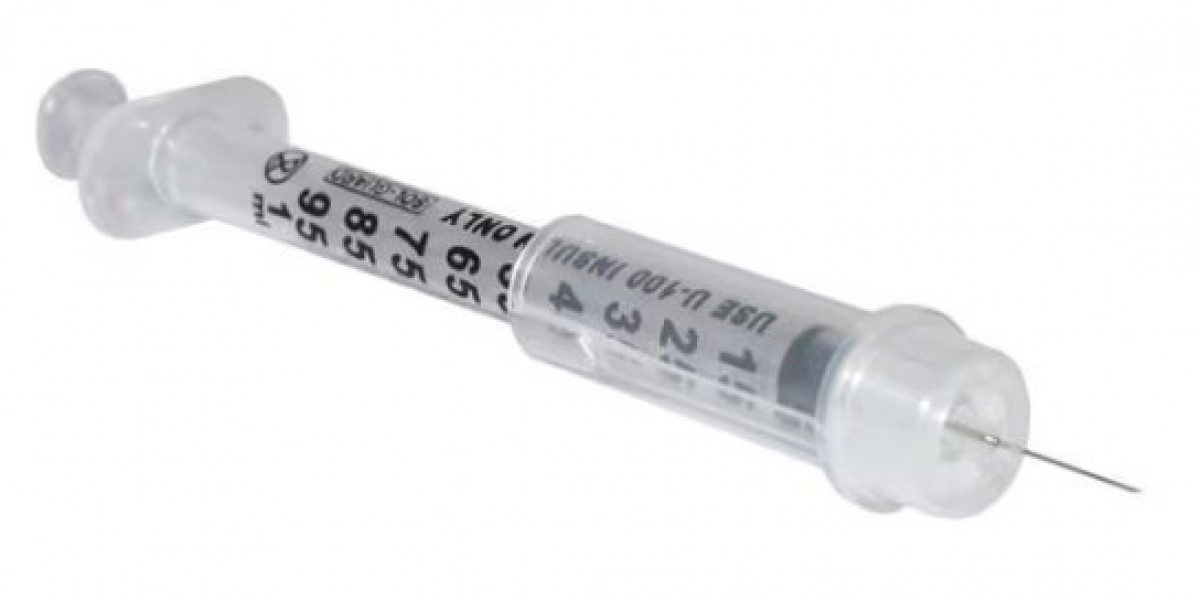

When medical device developers need a Custom Hypodermic Needle , choosing the right Custom Hypodermic Needle design can make a difference in how a device handles fluid delivery, tissue access, and component integration. Unlike standard needles that follow fixed dimensions, customized needle components can be developed around specific inner diameters, outer diameters, wall thicknesses, lengths, tip geometries, and connection requirements. This flexibility can be useful for injection systems, sampling equipment, minimally invasive devices, and other medical applications where standard specifications may not provide the desired fit.
Tube Dimensions Shape Fluid Performance
The dimensions of a needle tube influence both fluid movement and mechanical characteristics. Inner diameter determines the available pathway for liquid, while wall thickness contributes to the overall structure of the tube. Outer diameter also needs to match the surrounding device components and intended application.
For specialized projects, buyers may require a particular balance between flow resistance, strength, and physical dimensions. The product information indicates that customized inner diameters from 0.15 mm to 4.0 mm can be supported, giving developers a broad range for different component requirements.
Tip Geometry Supports Different Designs
The tip is one of the most important structural areas of a hypodermic needle. Depending on the intended device, a needle may use a bevel, blunt, tapered, side-hole, or other specialized configuration. Different geometries can be incorporated into products designed for fluid delivery, access, or specialized medical procedures.
Precision processing is necessary because uneven edges or burrs can affect the finished component. Manufacturing processes described for the product range include precision cutting, grinding, polishing, and beveling. These operations help control the geometry and surface condition of the tube while supporting repeatable production.
INIMD Develops Specialized Needle Components
For medical device companies, customization often involves more than changing the length of a metal tube. The complete component may need to connect with a polymer hub, Luer interface, tubing, connector, or another part of an injection system. Dimensional compatibility therefore needs to be considered during the design stage.
The manufacturer describes support for customized hub geometry, connector interfaces, color coding, and other dimensional requirements. OEM and ODM services are also available for specialized designs, allowing customers to discuss unique fittings, labeling, and packaging formats as part of a broader product development project.
Surface Treatment Improves Component Quality
Surface condition is another important factor when developing fine medical tubing. Mechanical polishing and electropolishing can help reduce burrs and surface imperfections on both internal and external areas. A smoother lumen can also be useful when the component is designed as part of a controlled fluid pathway.
Inspection can include visual examination, dimensional measurement, roundness checks, and leak or flow testing. These checks help manufacturers monitor tube straightness, diameter, wall thickness, and finished surface quality. Controlled cleaning and assembly are also important when customized needle components are prepared for medical device integration.
Flexible Specifications Support Device Development
Customization can be particularly valuable when a medical device has unusual dimensional or connection requirements. Rather than adapting an existing product to an unsuitable standard, developers can define the required tube size, length, tip structure, hub design, and interface at an earlier stage. This approach can help create a component that fits the wider device architecture more naturally.
For disposable medical applications, the product information states that Needle Cannula, Hypodermic Cannula, and Dermal Cannula components can be supplied as single-use products with individual packaging and sterilization. The manufacturer also describes controlled clean-zone assembly and validated sterilization processes.
A successful customization project ultimately depends on clear technical communication between the buyer and manufacturer. Sharing drawings, dimensional requirements, connection details, flow expectations, packaging preferences, and intended applications can help establish a more precise production plan. For companies exploring customized hypodermic needle components, more product information and medical device solutions can be found at https://www.inimd.com/ .