
Sustainability is no longer a buzzword—it is a mandate. Event hosts are under increasing pressure to reduce waste, lower emissions, and demonstrate environmental responsibility. Yet one of the most overlooked opportunities lies in the coffee service. Traditional catering coffee relies on single-use pods, energy-guzzling brewing equipment, and mountains of disposable cups. A professional mobile coffee cart, however, offers surprising environmental benefits that go far beyond the cup. From zero-emission power to circular waste management, coffee catering is evolving into a green solution. Brew Avenue Coffee has built sustainability into every corner of our service. We are located in Phoenix, Arizona, United States, and our mobile carts are proving that great coffee and a small carbon footprint can go hand in hand.
The Hidden Carbon Cost of Event Coffee
Before exploring the solution, understand the problem. Conventional event coffee generates significant carbon emissions through three channels: energy consumption (brewing and holding coffee in airpots), single-use waste (plastic cups, non-recyclable lids, individual creamer pods), and the disposal of coffee grounds in landfills, where they release methane—a greenhouse gas 25 times more potent than carbon dioxide .
Globally, an estimated 560,000 tons of spent coffee grounds are sent to landfills every single day . Each cup of coffee brewed at an event carries a hidden environmental price. Mobile coffee carts are designed to eliminate or drastically reduce each of these burdens.
Surprising Ways Coffee Carts Slash Emissions
1. Zero-Emission, Battery-Powered Operation
The most significant carbon reduction comes from how the cart is powered. Traditional food carts rely on diesel or propane generators that emit up to 165 pounds of carbon dioxide in a single shift—equivalent to burning 83 pounds of coal . A battery-powered cart eliminates these emissions entirely . Furthermore, because battery-powered carts have no engine noise or exhaust, venues that previously banned outdoor coffee service due to emissions restrictions can now host a full-service cart without compromising indoor air quality .
2. Compostable Packaging That Breaks the Plastic Cycle
Conventional event coffee generates massive plastic waste. Modern mobile carts use certified compostable cups made from plant-based PLA, which breaks down completely within 180 days in commercial composting facilities . These cups use 65% less fossil fuel in production than conventional plastics . When paired with compostable lids and wooden stirrers, the entire cup—not just the paper sleeve—can return to the earth. Sustainable vendors also collect and transport waste to commercial composting facilities, ensuring that cups are actually composted rather than landfilled.
3. Coffee Grounds Diverted from Landfills
Coffee grounds are too valuable to throw away. Forward-thinking coffee cart businesses collect used grounds and donate them to local farms, community gardens, and composting collectives where they transform into nutrient-rich soil . This closes the loop on organic waste, turning every coffee moment into an opportunity to regenerate soil.
4. Reusable Cup Systems and Creative Packaging Hacks
Beyond compostables, some vendors offer reusable cup programs that eliminate waste at the source. QR-code-based systems allow guests to borrow a reusable cup and return it after the event . Others use creative packaging hacks, such as cutting empty oat milk cartons into cup carriers—reducing waste and eliminating the need for additional cardboard holders .
5. Local Sourcing and Reduced Food Miles
Responsible mobile coffee carts source beans from local roasters, dairy from regional farms, and baked goods from nearby bakeries. This reduces transportation emissions dramatically compared to imported, mass-market coffee service .
How Brew Avenue Coffee Leads the Way
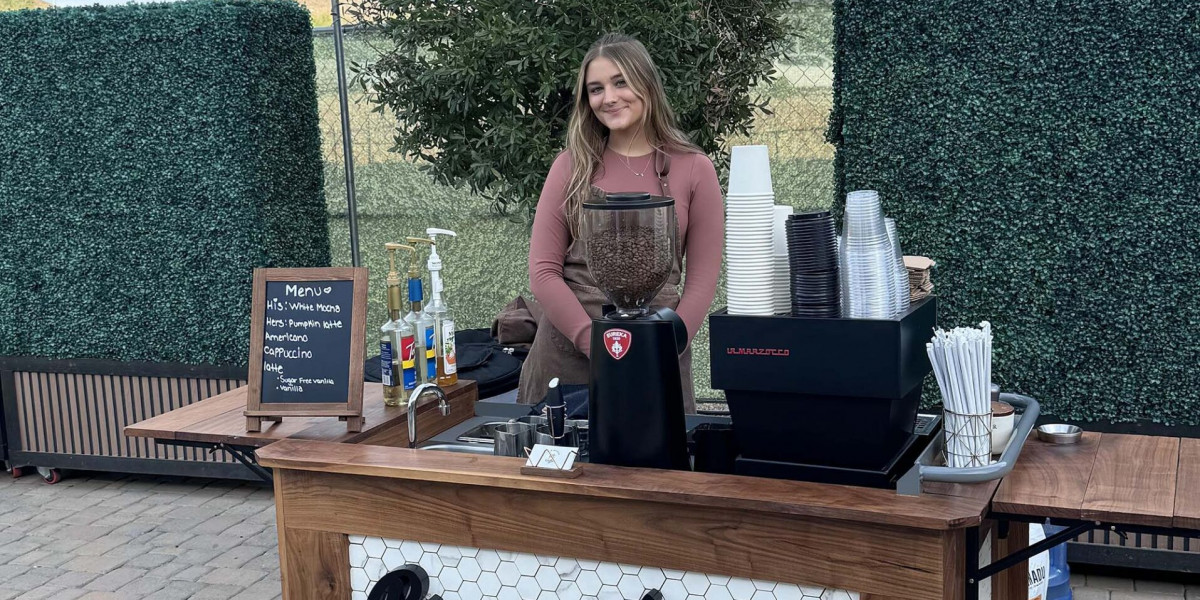
Our mobile carts incorporate each of these sustainability strategies. We use only 100% battery power, eliminating generator emissions and noise. Our cups, lids, and stirrers are certified compostable . We collect used grounds from every event and deliver them to local urban farms and community gardens. Because we are located in Phoenix, Arizona, United States, we also source from local roasters and bakeries, reducing food miles and supporting the local economy.
Conclusion
A mobile coffee cart does more than serve great coffee—it reduces your event's carbon footprint in surprising and measurable ways. From zero-emission battery power to compostable packaging and ground diversion, every element of a sustainable mobile cart is designed to minimize environmental impact. Brew Avenue Coffee brings this commitment to every event we serve. Whether you are hosting a public food festival, a business party, or a private wedding, our cart delivers exceptional coffee with a lighter footprint. We are located in Phoenix, Arizona, United States, and we invite you to taste the difference sustainability makes.
Frequently Asked Questions
1. How much carbon does a battery-powered coffee cart save compared to a generator-powered cart?
A single gas generator can emit up to 165 pounds of CO₂ per shift—equivalent to burning 83 pounds of coal. A battery-powered cart produces zero emissions .
2. Are compostable cups truly better for the environment?
Yes. Plant-based PLA cups use 65% less fossil fuel in production than conventional plastics and break down completely within 180 days in commercial composting facilities .
3. Where do the used coffee grounds go?
We donate them to local urban farms and community gardens for composting and soil enrichment. Grounds provide nitrogen, phosphorus, and potassium—valuable nutrients for plants .
4. Can a coffee cart operate indoors without ventilation?
Yes. Zero-emission battery-powered carts produce no exhaust and no carbon monoxide, making them suitable for indoor events .
5. How far in advance should I book a sustainable coffee cart?
Three to four weeks. For events requiring special composting logistics or reusable cup programs, allow six weeks.
6. Do you offer reusable cup options for events?
Yes. We can implement a QR-code-based reusable cup system for larger events, eliminating disposable cup waste entirely .