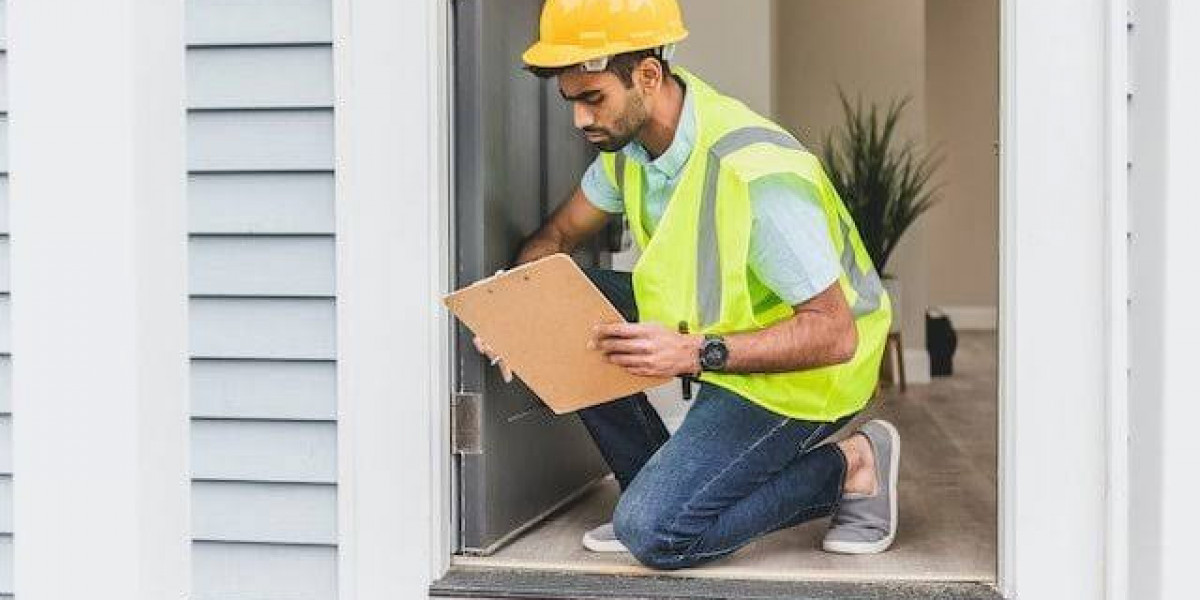

A property inspection is only valuable when every major component of the building is carefully examined. Professional inspectors follow a comprehensive checklist to ensure that no important area is overlooked. Although the exact checklist may vary depending on the property's size, age, and type, the inspection generally covers all structural, mechanical, electrical, plumbing, and safety systems.
The inspection begins with the property's exterior. Inspectors evaluate the roof for damaged or missing shingles, signs of leaks, deteriorated flashing, clogged gutters, and poor drainage. Exterior walls are checked for cracks, moisture intrusion, damaged siding, peeling paint, and structural movement. Doors and windows are inspected to ensure they open and close properly, seal correctly, and show no evidence of water penetration. Driveways, walkways, patios, balconies, decks, retaining walls, and fences are also examined for stability, cracking, and general wear.
Inside the property, inspectors evaluate every accessible room. Walls and ceilings are checked for cracks, stains, mold growth, peeling paint, and signs of previous water damage. Floors are inspected for uneven surfaces, soft spots, broken tiles, damaged hardwood, and excessive movement that may indicate structural issues. Kitchens and bathrooms receive particular attention because plumbing leaks and moisture problems commonly develop in these areas.
The plumbing inspection focuses on water supply lines, drainpipes, water heaters, sinks, faucets, bathtubs, showers, toilets, and visible pipe connections. Inspectors check water pressure, drainage efficiency, leaks, corrosion, and signs of previous plumbing repairs. Even a small plumbing leak can eventually cause extensive water damage if left untreated.
Electrical systems are another critical part of the inspection. Inspectors examine the electrical panel, circuit breakers, wiring, outlets, switches, light fixtures, grounding systems, smoke detectors, and carbon monoxide detectors. Older homes often contain outdated wiring that may not meet current safety standards. Identifying electrical hazards before purchasing a property can prevent expensive repairs and reduce fire risks.
Heating, ventilation, and air conditioning systems are evaluated to ensure they operate efficiently and safely. Inspectors examine furnaces, boilers, air conditioners, thermostats, ductwork, ventilation systems, and air filters. Poor HVAC maintenance not only increases energy costs but may also reduce indoor air quality and shorten the lifespan of expensive equipment.
Finally, inspectors evaluate the property's structural components, including the foundation, crawl space, basement, attic, roof framing, support beams, and load-bearing walls. Any evidence of settlement, sagging, movement, moisture intrusion, or wood deterioration is documented because structural repairs are often among the most expensive issues homeowners face.
Common Problems Found During Property Inspections
Every property, regardless of its age, has some level of wear and tear. While minor cosmetic issues are expected, inspectors often discover more significant problems that require immediate attention or future repairs.
Roof damage is one of the most frequently reported issues. Missing shingles, damaged flashing, clogged gutters, and water leaks can allow moisture to enter the home, leading to mold growth, insulation damage, and structural deterioration. Regular roof maintenance helps prevent these costly problems.
Foundation movement is another major concern. Small cracks are often harmless, but large horizontal or stair-step cracks may indicate structural settlement or soil movement. Uneven floors, sticking doors, and cracked walls are additional warning signs that should never be ignored.
Plumbing issues are extremely common, especially in older homes. Corroded pipes, leaking fixtures, blocked drains, failing water heaters, and hidden water leaks can increase utility bills while causing extensive moisture damage behind walls and beneath flooring.
Electrical problems remain one of the leading safety concerns identified during inspections. Outdated fuse boxes, overloaded circuits, exposed wiring, missing grounding, and improperly installed electrical components increase the risk of electrical fires and should always be corrected by licensed electricians.
Inspectors also frequently discover moisture-related problems, including mold, mildew, condensation, poor attic ventilation, and water intrusion around windows and foundations. Excess moisture not only damages building materials but also creates unhealthy indoor air conditions.
Pest infestations, including termites, carpenter ants, rodents, and wood-boring insects, can significantly weaken structural timber if left untreated. Professional pest inspections are often recommended whenever inspectors observe evidence of insect activity.
Understanding the Property Inspection Report
After completing the inspection, the inspector prepares a detailed report that summarizes the property's condition. This report serves as one of the most important documents in any real estate transaction because it provides an unbiased assessment of the property's strengths and weaknesses.
A professional inspection report typically begins with a general overview of the property before discussing each inspected area individually. Every defect is described in clear language, supported by photographs whenever possible. The report usually distinguishes between major defects, minor maintenance items, safety hazards, and recommendations for future monitoring.
It is important to understand that an inspection report is not a pass-or-fail document. Nearly every property has some deficiencies, especially older homes. Instead, the report helps buyers prioritize repairs and estimate future maintenance costs. Serious structural defects, active water leaks, electrical hazards, or roof failures usually require immediate attention, while cosmetic issues may simply become part of future home improvement projects.
Buyers should carefully review the inspection report with their real estate agent and, when necessary, seek estimates from licensed contractors before making final purchasing decisions.
How Much Does a Property Inspection Cost?
The cost of a property inspection depends on several factors, including the property's location, size, age, type, and overall complexity. Smaller apartments generally cost less to inspect than large single-family homes or commercial buildings because they require less time and fewer systems to evaluate.
Additional specialized inspections, such as termite inspections, mold testing, sewer camera inspections, radon testing, asbestos assessments, pool inspections, and chimney inspections, may involve separate fees. Although these services increase the total inspection cost, they provide valuable information that can prevent much larger repair expenses later.
Rather than viewing a property inspection as an unnecessary expense, buyers should consider it an investment. Spending a few hundred dollars before purchasing a property can potentially save thousands—or even tens of thousands—of dollars by identifying hidden structural or mechanical problems before the sale is finalized.
Benefits of Property Inspection
Property inspections offer significant advantages for buyers, sellers, landlords, investors, and homeowners alike. Buyers gain confidence because they fully understand the property's condition before making one of the largest financial commitments of their lives. Inspection reports also strengthen their negotiating position by providing documented evidence of necessary repairs.
Sellers benefit by identifying issues before listing their property. Addressing maintenance concerns early often results in smoother negotiations, faster sales, and increased buyer trust. Homes that have undergone pre-listing inspections frequently experience fewer unexpected delays during closing because potential issues have already been disclosed or repaired.
For landlords, routine inspections protect rental investments by documenting property conditions before and after tenancy while helping identify maintenance issues before they become serious. Investors benefit by accurately estimating renovation costs, reducing financial risk, and improving long-term investment planning.
Even homeowners who have no intention of selling should schedule periodic inspections. Routine evaluations identify maintenance needs early, extend the lifespan of building systems, improve energy efficiency, enhance occupant safety, and preserve long-term property value.
Conclusion
A property inspection is one of the smartest steps anyone can take before buying, selling, or maintaining real estate. It provides a clear understanding of the property's true condition, helps uncover hidden defects, and reduces the risk of costly surprises in the future. Whether the property is a home, rental unit, or commercial building, a professional inspection offers valuable insight that supports better decision-making and long-term financial protection.
By reviewing the inspection checklist, understanding common problems, and carefully studying the inspection report, buyers and owners can address issues early and avoid unnecessary expenses. In the end, a property inspection is not just a formality—it is a practical investment in safety, transparency, and peace of mind.