
Introduction
Landslides are unpredictable natural hazards that can damage infrastructure, interrupt transportation, and put lives at risk. Whether caused by prolonged rainfall, earthquakes, erosion, or human activities, slope failures often begin with subtle changes that are difficult to detect through routine inspections alone. This is why early warning systems have become a critical component of modern landslide monitoring.
By combining advanced sensors, Industrial Internet of Things (IIoT) technology, cloud-based platforms, and automated alerts, early warning systems provide continuous monitoring and timely notifications that help organizations respond before a landslide occurs.
What Is a Landslide Early Warning System?
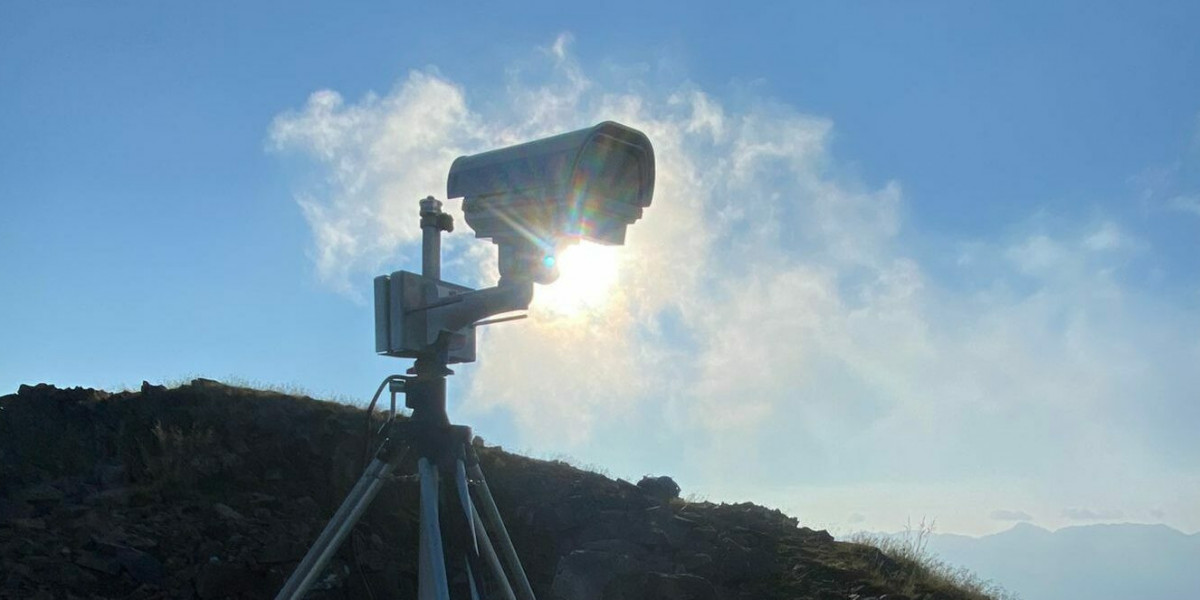
A landslide early warning system is an integrated monitoring solution designed to detect changes in ground and environmental conditions that may indicate an increased risk of slope failure. Sensors installed at vulnerable locations continuously collect data, while intelligent software analyzes the information and generates alerts when predefined thresholds are exceeded.
The goal is to provide enough advance notice for authorities, engineers, and site managers to implement safety measures and reduce potential damage.
Key Components of an Early Warning System
Industrial Sensors
Industrial-grade sensors are installed across high-risk areas to monitor critical geotechnical parameters, including:
Ground displacement
Slope inclination
Soil moisture
Rainfall intensity
Groundwater levels
Temperature and humidity
These sensors operate continuously, delivering accurate data even in harsh environmental conditions.
Industrial IoT Connectivity
Collected data is transmitted securely using Industrial IoT communication technologies such as:
LTE and 4G networks
GSM communication
Satellite connectivity
Long-range wireless communication
Reliable connectivity ensures that monitoring information reaches decision-makers without delay.
Cloud-Based Monitoring Platform
A centralized cloud platform receives and stores monitoring data, allowing users to:
View real-time sensor readings
Analyze historical trends
Generate reports
Monitor multiple locations simultaneously
Access information remotely
Cloud technology improves collaboration and enables faster decision-making.
Automated Alert System
The monitoring platform continuously evaluates incoming data against predefined safety thresholds. If abnormal conditions are detected, notifications are automatically sent via:
SMS
Email
Mobile applications
Integrated control systems
These alerts allow organizations to respond quickly and reduce the likelihood of catastrophic failures.
Benefits of Early Warning Systems
Improved Public Safety
Timely alerts allow authorities to evacuate people or restrict access to hazardous areas before a landslide occurs.
Better Infrastructure Protection
Continuous monitoring helps prevent damage to roads, railways, bridges, dams, pipelines, and utility networks.
Reduced Operational Downtime
Early detection enables maintenance teams to address developing issues before they disrupt operations.
Data-Driven Decision Making
Real-time and historical monitoring data support accurate risk assessments and informed planning.
Cost Savings
Preventing large-scale failures reduces emergency response costs, repair expenses, and long-term maintenance requirements.
Industries That Benefit
Early warning systems are widely used in:
Transportation infrastructure
Mining operations
Construction projects
Dams and reservoirs
Oil and gas facilities
Renewable energy sites
Government disaster management programs
Environmental monitoring initiatives
These industries rely on continuous monitoring to improve safety and operational resilience.
Emerging Trends
Technology continues to improve the capabilities of landslide early warning systems. Artificial Intelligence (AI), predictive analytics, edge computing, and satellite monitoring are making it possible to detect patterns more accurately and forecast potential failures earlier than ever before.
Future monitoring systems will become even more intelligent by integrating multiple data sources into a single platform for comprehensive risk assessment.
Best Practices for Implementation
To maximize the effectiveness of an early warning system, organizations should:
Install high-quality industrial sensors
Monitor multiple environmental parameters
Regularly calibrate monitoring equipment
Define appropriate alert thresholds
Train personnel on emergency response procedures
Review monitoring data continuously
These practices ensure reliable performance and faster response during critical situations.
Conclusion
Early warning systems have transformed landslide monitoring from a reactive process into a proactive safety strategy. Continuous monitoring, intelligent data analysis, and automated alerts allow organizations to identify hazards before they become disasters.
By investing in advanced monitoring technologies, infrastructure owners and public agencies can improve safety, reduce operational risks, protect valuable assets, and strengthen resilience against landslide events. As monitoring technology continues to evolve, early warning systems will play an even greater role in safeguarding communities and critical infrastructure around the world.
Website - https://avacam.io/en/