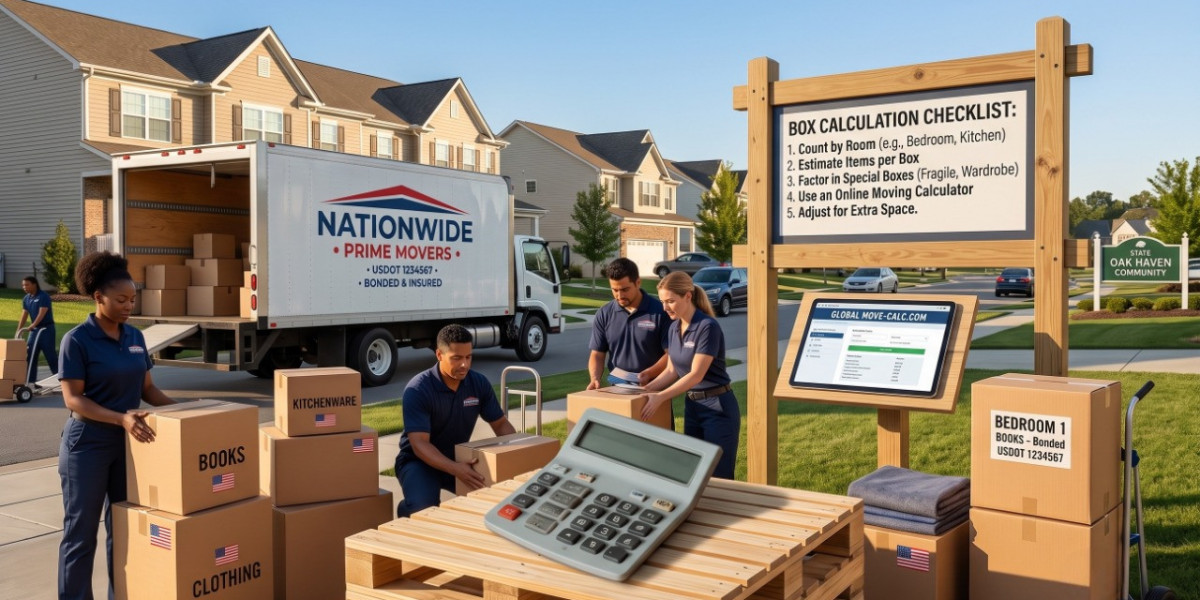

One of the most common questions people ask before relocating is, “How do you calculate the number of boxes for a move?” The answer is more important than many people realize. Having too few boxes can delay packing, while buying too many can increase moving expenses unnecessarily.
When planning a relocation, My Good Movers, carefully to ensure every item is protected and transported efficiently. The right estimate helps you:
- Stay organized during packing
- Prevent damage to belongings
- Reduce moving costs
- Save time on moving day
- Improve overall efficiency
Many homeowners underestimate how many boxes they actually need. Books, kitchen supplies, decorations, clothing, and miscellaneous items often require more space than expected. Therefore, creating an accurate estimate is one of the first steps toward a successful move.
Professional movers often recommend starting your box calculations several weeks before moving day. This gives you enough time to purchase supplies, organize belongings, and identify items you no longer need.
Additionally, proper box planning reduces stress. Moving can already feel overwhelming, but knowing you have adequate supplies allows you to focus on other important tasks such as utility transfers, address changes, and transportation arrangements.
Understanding Different Types of Moving Boxes
Before calculating quantities, it's essential to understand the types of boxes available.
Small Boxes
Small boxes are ideal for:
- Books
- Tools
- Canned goods
- Small electronics
These boxes prevent heavy items from becoming difficult to carry.
Medium Boxes
Medium boxes work well for:
- Kitchen supplies
- Toys
- Decorations
- Office supplies
They provide versatility and are among the most commonly used moving boxes.
Large Boxes
Large boxes are best suited for:
- Pillows
- Bedding
- Lightweight household items
- Bulk clothing
Avoid overloading large boxes with heavy objects.
Specialty Boxes
Specialty boxes include:
- Wardrobe boxes
- Dish packs
- TV boxes
- Mirror cartons
- File boxes
Although they cost more, they provide superior protection for valuable items.
Choose moving boxes based on the weight and fragility of your belongings rather than simply selecting the largest options available.
The 9-Step Formula for Calculating Moving Boxes
Calculating moving boxes doesn't require guesswork. Follow this proven nine-step process.
Step 1: Count Rooms
Begin by counting every area that contains belongings.
Include:
- Bedrooms
- Living rooms
- Kitchens
- Bathrooms
- Home offices
- Garages
- Basements
- Attics
Each room contributes to your total box count.
Step 2: Inventory Your Belongings
Create a detailed inventory.
List categories such as:
- Books
- Clothing
- Kitchenware
- Electronics
- Decorative items
- Sports equipment
The more detailed your inventory, the more accurate your estimate becomes.
Step 3: Categorize Items by Size
Separate belongings into:
| Category | Examples |
| Small | Books, gadgets |
| Medium | Kitchen items, toys |
| Large | Bedding, pillows |
| Specialty | TVs, artwork |
This classification helps determine box sizes.
Step 4: Estimate Box Quantities
A general guideline is:
| Room | Average Boxes Needed |
| Bedroom | 10–20 |
| Kitchen | 15–30 |
| Bathroom | 3–8 |
| Living Room | 10–20 |
| Office | 8–15 |
Add totals from each room for a preliminary estimate.
Step 5: Account for Fragile Items
Fragile items often require:
- Extra padding
- Additional boxes
- Specialty containers
China cabinets, glassware, and collectibles can increase box requirements significantly.
Step 6: Include Storage Areas
Many people forget storage spaces.
Check:
- Closets
- Sheds
- Basements
- Attics
- Garage shelves
These areas frequently contain more items than primary living spaces.
Step 7: Consider Downsizing
Before purchasing boxes, declutter.
Donate or sell:
- Unused clothing
- Old furniture
- Outdated electronics
- Duplicate household items
Fewer belongings mean fewer boxes.
Step 8: Add a Safety Margin
Professional movers typically recommend adding 10–15% more boxes than your estimate.
This buffer accounts for:
- Last-minute packing
- Unexpected items
- Packing inefficiencies
Step 9: Review and Finalize
Review every room one final time.
Ask yourself:
- Did I check every closet?
- Did I inventory storage spaces?
- Did I include seasonal items?
After verification, finalize your order.
Average Number of Boxes by Home Size
While every move is unique, average estimates can serve as a useful benchmark.
| Home Size | Typical Number of Boxes |
| Studio Apartment | 10–20 |
| One Bedroom | 20–40 |
| Two Bedroom | 40–70 |
| Three Bedroom | 70–120 |
| Four Bedroom | 120–180 |
| Five Bedroom+ | 180–250+ |
These numbers vary depending on lifestyle, storage habits, and family size.
For example, avid readers may require dozens of extra book boxes. Similarly, collectors often need specialty containers.
Many moving professionals use these averages as starting points before conducting detailed inventories.
Common Mistakes When Choosing Moving Boxes
Even experienced movers can make mistakes.
Buying Too Few Boxes
Running out of boxes midway through packing creates delays and frustration.
Choosing Only Large Boxes
Large boxes become difficult to lift when filled with heavy items.
Ignoring Specialty Boxes
Fragile items deserve specialized protection.
Forgetting Storage Areas
Garages and attics often contain hidden packing needs.
Overpacking Boxes
Excessive weight increases the risk of damage and injury.
Avoiding these mistakes improves efficiency and protects belongings throughout the move.
Professional Tips from My Good Movers
Experienced moving professionals have developed practical strategies over years of handling relocations.
Label Everything Clearly
Use detailed labels that include:
- Room destination
- Contents
- Fragile warnings
Pack Similar Items Together
Grouping similar belongings simplifies unpacking.
Use Quality Packing Materials
Invest in:
- Strong boxes
- Packing tape
- Bubble wrap
- Packing paper
Create a Packing Timeline
Start several weeks before moving day.
Suggested schedule:
| Time Before Move | Task |
| 6 Weeks | Declutter |
| 4 Weeks | Gather supplies |
| 3 Weeks | Pack non-essentials |
| 2 Weeks | Pack seasonal items |
| 1 Week | Pack daily-use items |
| Moving Day | Final packing |
Measure Large Items
Measure furniture and electronics to determine whether specialty boxes are required.
Packing Room by Room
A room-by-room approach improves organization and accuracy.
Kitchen
The kitchen usually requires the most boxes.
Typical contents include:
- Plates
- Glassware
- Appliances
- Pantry items
Expect 15–30 boxes.
Bedrooms
Bedrooms generally require:
- Clothing boxes
- Shoe boxes
- Linen boxes
Average need: 10–20 boxes per room.
Living Room
Living rooms often contain:
- Electronics
- Decorations
- Books
- Lamps
Average need: 10–20 boxes.
Bathroom
Bathrooms may require fewer boxes but often contain fragile items.
Average need: 3–8 boxes.
Garage
Garages frequently contain:
- Tools
- Sports equipment
- Seasonal decorations
Average need: 10–30 boxes.
Home Office
Offices may require:
- Document boxes
- Electronics containers
- Book boxes
Average need: 8–15 boxes.
By evaluating each room separately, you gain a clearer understanding of your overall moving supply requirements.
Cost Considerations and Budget Planning
Budgeting for moving supplies is an important part of relocation planning.
Typical expenses include:
| Supply | Average Cost Range |
| Small Boxes | $1–$3 |
| Medium Boxes | $2–$5 |
| Large Boxes | $3–$7 |
| Specialty Boxes | $10–$30 |
| Packing Tape | $3–$8 |
| Bubble Wrap | $10–$50 |
Cost-saving strategies include:
- Decluttering before packing.
- Reusing sturdy boxes.
- Purchasing bundles.
- Comparing supplier prices.
- Planning accurately.
A well-planned supply budget helps avoid unexpected expenses and ensures you have everything needed for a smooth relocation.
FAQs
1. How many boxes does the average family need for a move?
Most families moving from a three-bedroom home require approximately 70–120 boxes, depending on the amount of personal belongings.
2. Should I buy extra moving boxes?
Yes. Adding 10–15% more boxes than your estimate helps accommodate unexpected packing needs.
3. What size box is best for books?
Small boxes are ideal because books become extremely heavy when packed together.
4. How far in advance should I purchase moving boxes?
Most experts recommend obtaining supplies four to six weeks before moving day.
5. Are specialty boxes worth the extra cost?
Yes. Specialty boxes provide enhanced protection for fragile or valuable items such as televisions, mirrors, and artwork.
6. Can I use free boxes from local stores?
You can, but inspect them carefully for strength, cleanliness, and structural integrity before use.
7. What is the biggest mistake people make when estimating boxes?
The most common mistake is forgetting storage areas such as garages, basements, closets, and attics.
8. How can I reduce the number of boxes I need?
Decluttering, donating unused items, and selling unwanted possessions can significantly reduce packing requirements.
Conclusion
Calculating the number of boxes for a move is a straightforward process when approached systematically. By counting rooms, inventorying belongings, categorizing items, accounting for fragile possessions, and adding a reasonable safety margin, you can create an accurate estimate that supports a smooth relocation.
Remember that successful moving isn't simply about buying boxes—it's about selecting the right boxes for the right items. When planning your next relocation, follow the proven nine-step formula outlined above.
Most importantly, let preparation guide every decision. With proper planning and the right supplies, your move can be organized, cost-effective, and remarkably stress-free.