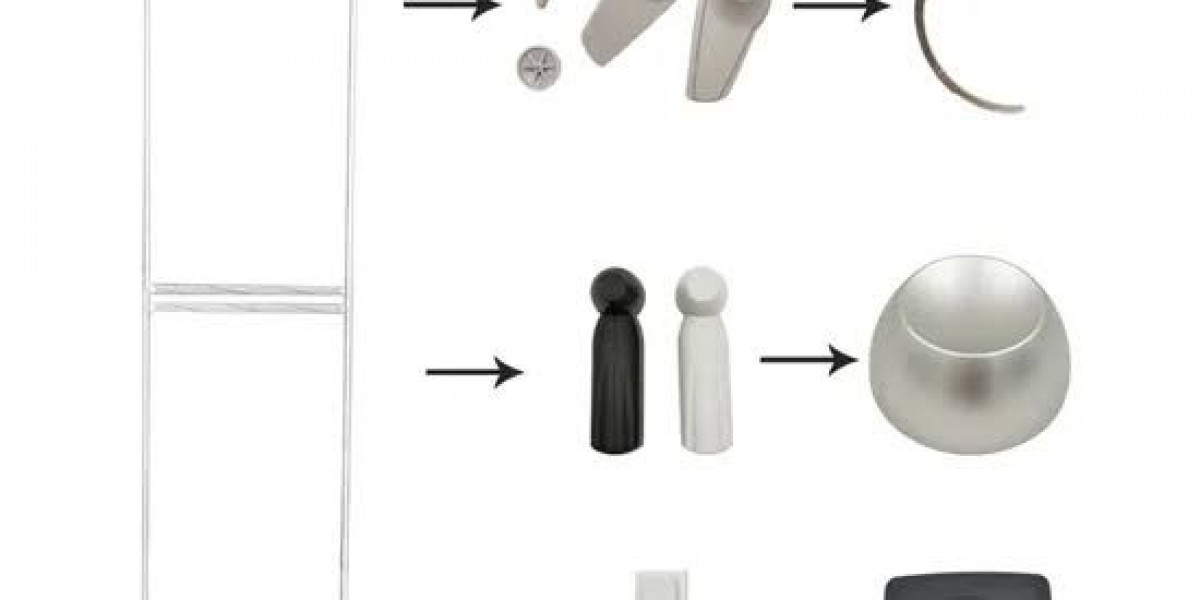

Retail businesses need effective solutions to protect merchandise from theft while maintaining a convenient shopping experience. From supermarkets and clothing stores to electronics retailers, businesses must manage inventory carefully and reduce avoidable losses. Without suitable security measures, shoplifting can affect profitability and create challenges for daily operations. Sensor labels offer a practical way to protect compatible products and support a store's overall loss prevention strategy.
These labels are commonly used with electronic article surveillance systems to help detect unauthorized product removal. When a compatible label passes through a monitored detection zone while active, the system may trigger an alert. Therefore, retailers can use this technology as part of a broader approach to merchandise protection.
Why Retailers Need Reliable Security Labels
Retail theft can result in financial losses, inaccurate inventory records, and additional management costs. Products that are easy to conceal or frequently handled may require extra protection. Moreover, repeated inventory discrepancies can make it difficult for businesses to understand their actual stock levels.
Security labels help retailers add another layer of protection to suitable merchandise. When combined with staff training, inventory checks, and clear store procedures, they can support more consistent security practices. Businesses should evaluate their specific risks before selecting the most appropriate equipment.
Understanding How Sensor Labels Work
Security labels are designed to work with compatible detection systems. Depending on the technology, a label may use radio-frequency or acoustic-magnetic detection. The store's system identifies a compatible active label when it passes through the monitored area, potentially alerting employees to an unauthorized exit.
Choosing the Right Labels for Merchandise
When selecting sensor labels, retailers should consider the type of product, packaging material, label size, and detection technology already installed in the store. For example, packaged consumer goods may be suitable for adhesive labels, while other merchandise may require a different security device.
Compatibility is essential because not every label works with every detection system. Retailers should confirm the correct technology and follow the manufacturer's instructions for application and deactivation. Choosing suitable labels helps businesses protect products without unnecessarily affecting their appearance or usability.
Key Benefits of Security Labeling
Security labels can help discourage opportunistic shoplifting by making merchandise protection more noticeable. When connected to compatible detection equipment, they can also help staff identify potential unauthorized product removal near store exits.
Their compact design can make them suitable for many packaged products. Depending on the label type, retailers may be able to apply them without significantly changing product displays or shelf arrangements. This can help maintain a neat store layout while adding an extra layer of protection.
However, labels alone cannot eliminate every form of retail loss. Businesses should combine security equipment with inventory monitoring, employee awareness, and appropriate store policies for stronger overall results.
Improving Store Operations and Customer Experience
Security measures should protect merchandise without making shopping unnecessarily difficult. Retailers can achieve this by placing labels correctly, training employees, and establishing efficient checkout procedures. Staff should know which labels require deactivation and how to respond professionally if a detection alarm occurs.
Furthermore, labels should be suitable for the products to which they are applied. Incorrect placement can interfere with packaging information or reduce the effectiveness of the security device. By following product guidelines, businesses can maintain both merchandise protection and a positive customer experience.
Selecting a Reliable Retail Security Supplier
A reliable supplier can help businesses identify products that suit their existing security equipment and merchandise requirements. Retailers should compare compatibility, durability, application methods, and the availability of suitable options for different product categories.
https://lp-distributors.com/ offers retail security products that businesses can evaluate when planning their merchandise protection strategies. By reviewing the available options and matching them to store requirements, retailers can make informed decisions about their security equipment and daily procedures.
Maintaining Security Labels and Detection Equipment
Regular checks are important for keeping a security system working as intended. Employees should inspect labels for damage, confirm that detection equipment operates correctly, and follow the manufacturer's maintenance recommendations. Damaged or incompatible devices may not provide the expected level of protection.
Retailers should also review their procedures when introducing new merchandise or changing product displays. Different packaging materials and product categories may require different labeling methods. Regular reviews help businesses keep their security practices aligned with their current inventory and operational needs.
Conclusion
Protecting retail merchandise requires appropriate equipment, consistent procedures, and trained employees. Sensor labels can help retailers discourage theft and detect potential unauthorized product removal when used with compatible detection systems. By selecting suitable labels, maintaining equipment, and reviewing security procedures regularly, businesses can improve merchandise protection while preserving an efficient shopping experience.








