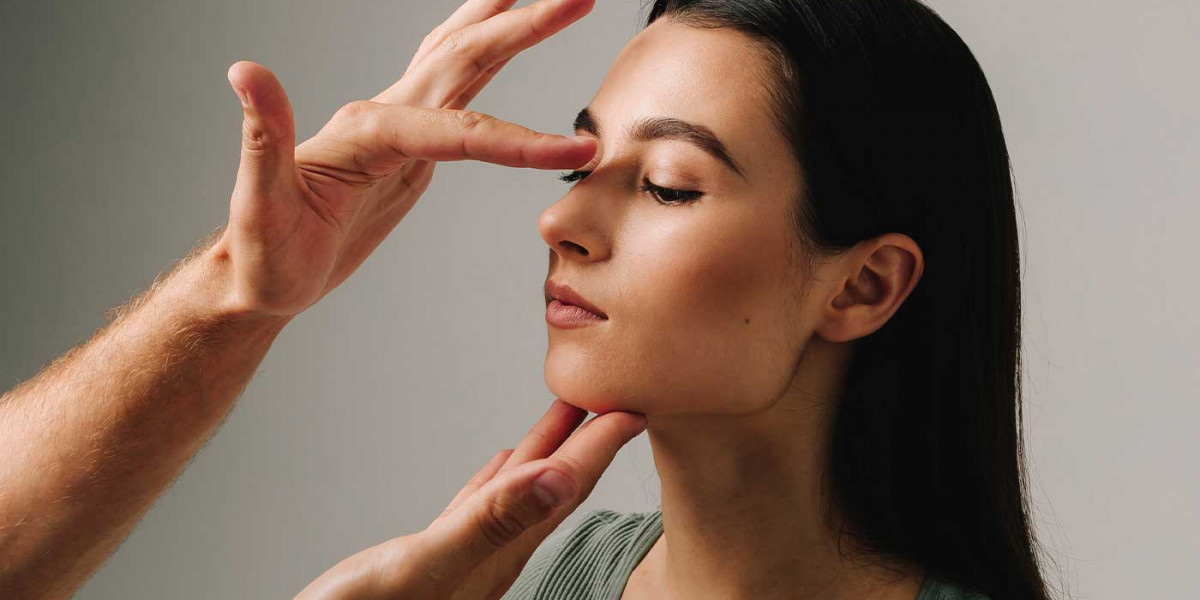

Have you ever felt that the tip of your nose looks rounder or wider than the rest of your facial features? A bulbous nose tip is a common natural variation, and for some people, it can affect how balanced they feel their nose looks. The good news is that several options may help, depending on the underlying structure and the kind of change you want.
A bulbous tip can result from the shape and arrangement of nasal cartilage, thicker skin, or a combination of these factors. The best approach depends on what creates the rounded appearance, rather than simply trying to make the tip smaller.
For people considering Rhinoplasty in Islamabad, understanding the available options can help set realistic expectations before making a decision. From surgical reshaping to carefully selected non-surgical treatments, each approach has different benefits, limitations, and risks.
What Is a Bulbous Nose Tip?
A bulbous nose tip typically looks rounded, broad, or less defined than the person would prefer. It may appear fuller when viewed from the front, from the side, or at certain angles.
This appearance is often related to the shape and spacing of the lower lateral cartilages, which help form the nasal tip. Skin thickness and soft tissue can also influence definition, meaning that two people with similar cartilage structures may have different-looking nose tips.
A bulbous tip is not a medical problem by itself. However, people who are unhappy with its appearance may explore cosmetic options after understanding what can realistically be changed.
What Causes a Bulbous Nose Tip?
There is no single cause of a bulbous nose tip. In many cases, several anatomical features contribute to its overall appearance.
The lower nasal cartilages may be naturally rounded, broad, or positioned in a way that creates a fuller tip. Thicker skin and underlying soft tissue can make the contours less visible, even when the cartilage itself is not particularly large.
Genetics also plays a role in nasal shape, so a rounded tip may run in families. Understanding the underlying anatomy is essential because a treatment that helps one person may offer little benefit to someone whose tip shape has a different cause.
Option 1: Rhinoplasty for a Bulbous Nose Tip
For people seeking a more noticeable and long-lasting change, surgical rhinoplasty may be an appropriate option. A surgeon can reshape or reposition the cartilage that supports the nasal tip to improve definition and proportion.
The specific technique depends on the individual's anatomy. In some cases, the surgeon may adjust the cartilage shape, refine its position, or use structural techniques to support the tip while preserving nasal function.
Tip refinement should not mean removing as much cartilage as possible. Excessive removal can weaken support and potentially cause irregularities, pinching, or breathing problems. A carefully planned procedure aims to create a balanced result while maintaining a stable nasal structure.
People exploring Rhinoplasty in Islamabad should ask whether the proposed approach is suitable for their skin thickness, cartilage shape, and overall nasal proportions. The surgeon should also explain the limitations of surgery and the possibility that the final result may differ from initial expectations.
Option 2: Non-Surgical Nose Filler
Non-surgical rhinoplasty uses injectable filler, commonly a hyaluronic acid-based product, to alter the appearance of selected areas of the nose. It may help camouflage a small dip or create a smoother-looking profile in suitable cases.
However, filler does not remove tissue or physically shrink a bulbous nose tip. Adding volume may sometimes make the nose look larger, and it is not a reliable substitute for surgical tip refinement.
Nose filler also carries important risks because the nose contains blood vessels connected to areas around the eyes. Rare but serious complications include skin damage and vision loss, so the procedure requires an appropriately qualified, experienced medical professional who understands nasal vascular anatomy and emergency management.
Anyone considering filler should receive a clear explanation of its limitations and risks. It is particularly important to avoid treatment based solely on low prices or social media promotions.
Option 3: Makeup and Temporary Contouring
For people who want to explore a different appearance without medical treatment, makeup contouring can create the illusion of a more defined nose tip. A subtle shadow along the sides and a carefully blended highlight may make the central area appear more structured.
The result depends on lighting, product placement, and blending. Contouring changes visual perception rather than nasal anatomy, so the effect lasts only until the makeup is removed.
This can be a useful starting point for someone who is unsure about pursuing a permanent change. It also allows experimentation with different looks without the risks, cost, or recovery associated with medical procedures.
Which Option Is Best for Your Nose?
The most suitable option depends on your goals, anatomy, and willingness to accept the risks and recovery involved. There is no universal treatment that works equally well for every bulbous nose tip.
Surgery may offer more direct and lasting refinement when cartilage shape is the main concern. Non-surgical filler may help with selected contour irregularities but cannot truly reduce the tip, while makeup offers a temporary cosmetic effect without changing the underlying structure.
A personalised assessment is more useful than choosing a treatment based on photographs alone. A qualified surgeon or medical professional can explain what each option can and cannot achieve for your particular nose.
What to Expect During Rhinoplasty Recovery
After surgical rhinoplasty, swelling and bruising around the nose and eyes may occur. Most people need time away from normal activities, although the exact recovery period depends on the procedure and individual healing.
The nose may look swollen or less defined during the early weeks, so the initial appearance should not be treated as the final result. Tip swelling can take several months to settle, and subtle changes may continue for a year or sometimes longer.
Following the surgeon's aftercare instructions is important. Patients should avoid activities that could injure the nose during early healing and attend scheduled follow-up appointments to monitor recovery.
How to Choose a Qualified Rhinoplasty Surgeon
Choosing a surgeon is one of the most important parts of planning nasal surgery. Look for appropriate recognised qualifications, relevant experience in rhinoplasty, and a clear explanation of the proposed procedure.
Ask to see suitable before-and-after photographs, while remembering that other patients' results cannot guarantee yours. You should also discuss potential complications, breathing function, recovery, fees, and the possibility of revision surgery.
For those considering Rhinoplasty in Islamabad, a thorough consultation should include an examination of the nasal structure and a discussion of realistic goals. The priority should be a safe, balanced result, not a promise of a perfect or identical nose shape.
Final Thoughts
A bulbous nose tip can be addressed in different ways, but the right choice depends on whether the rounded appearance comes from cartilage, skin thickness, or other anatomical features. Surgery may provide lasting refinement, while filler and makeup have more limited roles and should not be expected to produce the same results.
Dynamic Aesthetic Clinic is an option to consider when researching aesthetic care, with attention to clinical expertise, board-certified surgeons where applicable, and advanced surgical techniques suited to individual needs. A qualified rhinoplasty surgeon can assess your nose, explain suitable options, and help you make an informed decision that considers both appearance and breathing function.





