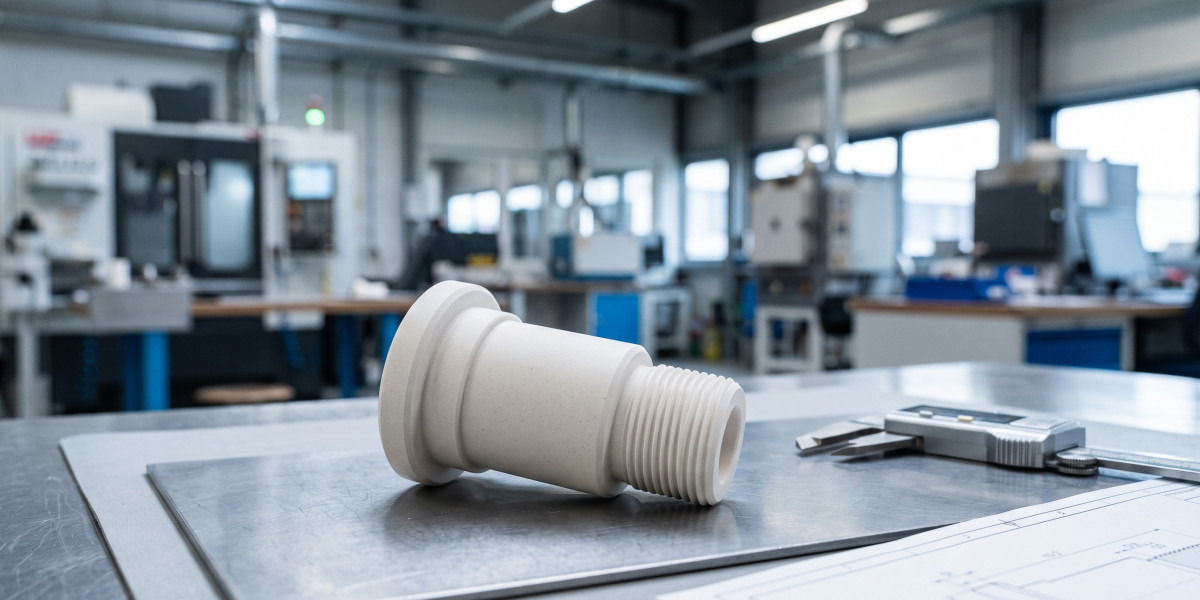

An alumina plug is a component made from alumina, a ceramic material primarily composed of aluminum oxide. It is valued in industrial environments because of its hardness, heat resistance, chemical stability, and electrical insulation properties. Alumina plugs can be used to close openings, protect sensitive components, support laboratory equipment, and provide reliable sealing in specialized systems. Their exact design and performance depend on the application, material grade, dimensions, and operating conditions. Understanding the properties and uses of an alumina plug helps engineers, laboratory technicians, and industrial buyers choose the right component for their requirements.
What Is an Alumina Plug?
An alumina plug is a shaped ceramic part manufactured from aluminum oxide, commonly written as Al₂O₃. It may be designed as a stopper, insert, closure, protective element, or fitted component for specialized industrial and laboratory equipment. Depending on its intended purpose, an alumina plug may have a solid body, a tapered shape, a cylindrical design, or a customized profile.
Unlike ordinary plastic or metal plugs, alumina plugs are made from a technical ceramic engineered for demanding environments. They are especially useful where high temperatures, electrical insulation, abrasion resistance, or chemical stability are important. Some designs are produced for a close mechanical fit, while others are intended to function as protective barriers or components within larger assemblies.
The term alumina plug does not describe one universal product. Its precise function depends on the equipment in which it is installed and the specifications provided by the manufacturer.
What Material Is Used to Make an Alumina Plug?
Alumina plugs are manufactured from aluminum oxide ceramic. Alumina is a widely used engineering ceramic because it combines mechanical strength, hardness, thermal performance, and electrical resistance. The raw material is generally processed into a suitable powder, shaped into the required form, and fired at a high temperature to create a dense ceramic component.
The manufacturing process may involve pressing, extrusion, ceramic machining, or other forming techniques. After shaping and firing, the plug can be ground or finished to achieve the required dimensions and surface quality. More demanding applications may require tighter dimensional tolerances or a specific surface finish.
The alumina content also matters. High-purity alumina and other alumina ceramic grades can have different mechanical, electrical, thermal, and chemical properties. Therefore, the material grade should be selected according to the operating environment rather than relying on the product name alone.
Main Properties of an Alumina Plug
The performance of an alumina plug depends on the properties of its ceramic material, its design, and the conditions in which it is used. Alumina is widely selected for technical applications because it provides a useful combination of mechanical, thermal, electrical, and chemical characteristics.
High Heat Resistance
An alumina plug can withstand elevated temperatures when manufactured from a suitable ceramic grade and used within its specified operating limits. This property makes it useful in furnaces, thermal processing equipment, and laboratory systems. However, the maximum working temperature depends on material composition, surrounding conditions, thermal stress, and the design of the component.
Excellent Electrical Insulation
Alumina ceramic is an effective electrical insulator. It can help prevent unwanted electrical conduction between components and provide insulation around sensors, electrodes, wires, and specialized equipment. This property makes alumina plugs useful in electrical assemblies where both thermal stability and insulation are important.
Chemical Resistance
Alumina offers resistance to many chemicals and corrosive environments. It can perform well in applications where certain metals or polymers may deteriorate. Nevertheless, its compatibility depends on the chemical involved, concentration, temperature, exposure time, and ceramic grade. Chemical compatibility should always be confirmed before use.
Hardness and Wear Resistance
Alumina is a hard ceramic material that resists abrasion and surface wear. This characteristic can help extend the service life of components exposed to friction, contact, or abrasive particles. It is particularly valuable in industrial equipment that requires durable parts and consistent performance.
Dimensional Stability
A properly manufactured alumina plug can maintain its shape under suitable operating conditions. Its rigidity and thermal stability make it useful in precision equipment where component dimensions and positioning are important. Accurate manufacturing and appropriate installation are necessary to achieve a reliable fit.
Common Applications of Alumina Plug
Alumina plugs can serve different purposes depending on their design and the equipment in which they are installed. Their applications are closely related to the properties of alumina ceramic.
Industrial Equipment
In industrial machinery, alumina plugs may be used as protective inserts, insulating components, wear-resistant closures, or specialized fittings. Their suitability depends on the equipment design and the mechanical forces acting on the component. Custom ceramic plugs can be produced to meet specific dimensional and performance requirements.
Laboratory Equipment
Laboratories use alumina ceramic components in applications that involve heat, chemical exposure, and electrical insulation. An alumina plug may be designed for a specialized laboratory assembly or used as part of equipment that requires a stable ceramic component. The exact application must be checked because not every alumina plug is suitable for direct contact with samples or chemicals.
Furnace and High-Temperature Systems
Furnaces and thermal processing equipment often require materials that remain stable under intense heat. Alumina plugs can be used in suitable assemblies to close openings, protect internal parts, or provide insulation. Their performance depends on the furnace atmosphere, temperature changes, and mechanical arrangement.
Electrical and Electronic Applications
Electrical systems may use alumina components to separate conductive parts, protect sensitive elements, and maintain insulation. Alumina plugs can be useful in specialized assemblies where electrical resistance and thermal stability are required. The component must be designed to meet the electrical and mechanical specifications of the system.
Chemical Processing Equipment
Chemical processing systems may require components that resist corrosion and maintain their shape during exposure to process fluids. An appropriately selected alumina plug can be used in certain assemblies involving chemical contact. Before installation, users should verify that the ceramic grade is compatible with the specific fluid and operating conditions.
Precision Machinery
Precision machinery may use alumina ceramic parts where hardness, wear resistance, and dimensional accuracy are essential. Specially manufactured plugs can support particular mechanical functions or protect parts of an assembly. Their success depends on correct tolerances, surface finishing, and proper handling.
What Are the Benefits of Using an Alumina Plug?
One of the main benefits of an alumina plug is its ability to combine several useful properties in a compact component. This can make it a practical choice for demanding industrial applications.
Alumina plugs can offer a longer service life in suitable environments because the ceramic material resists wear and many forms of chemical attack. Their electrical insulation properties can also support safer and more reliable equipment designs when the component is correctly specified.
Another advantage is their ability to perform in elevated-temperature environments where conventional plastics and rubber may soften, degrade, or lose their shape. Alumina is also available in different grades, allowing manufacturers to select a material that balances performance requirements and production costs.
However, these advantages do not mean that alumina is suitable for every application. Its brittleness and sensitivity to impact can limit its use in equipment exposed to sudden mechanical shocks. Careful material selection is essential to achieve the expected benefits.
Different Types of Alumina Plug
Alumina plugs can vary in shape, size, purity, surface finish, and intended function. Selecting the correct design helps ensure compatibility with the equipment.
Solid Alumina Plug
A solid alumina plug has a compact ceramic body without an internal passage. Depending on its geometry, it may be used as a protective insert, closure, or component in a specialized assembly.
Tapered Alumina Plug
A tapered alumina plug has a body that gradually narrows toward one end. This shape can help achieve a fitted connection in equipment designed for tapered components. A suitable fit must be established according to the manufacturer's specifications.
Custom Alumina Plug
Custom alumina plugs are manufactured to meet specific requirements. They may feature specialized dimensions, grooves, shoulders, or other geometric details. Custom manufacturing is useful when a standard component does not match the equipment design.
High-Purity Alumina Plug
High-purity alumina plugs are made from ceramic grades with a high proportion of aluminum oxide. Depending on the formulation and manufacturing process, these materials may provide improved performance for demanding electrical, chemical, or wear-related applications. The correct grade should be selected according to the actual requirements rather than purity alone.
How Is an Alumina Plug Manufactured?
The manufacturing process begins with alumina ceramic powder selected for the intended application. The powder may be mixed with processing additives to improve its ability to form the required shape. Manufacturers then use an appropriate forming technique to create the initial component.
The shaped part is fired in a controlled process to develop its ceramic structure and mechanical properties. This firing stage is commonly known as sintering. During sintering, the material becomes denser and develops the characteristics needed for its intended use.
After firing, the plug may undergo grinding, machining, or surface finishing to achieve the required dimensions. Quality checks can assess its shape, surface condition, material properties, and dimensional accuracy. For specialized applications, additional inspection may be required to confirm that the finished component meets the relevant specifications.
How to Choose the Right Alumina Plug
Choosing an appropriate alumina plug begins with understanding its intended function. Users should identify whether the component needs to provide closure, insulation, protection, wear resistance, or another specialized function.
Temperature is an important consideration because the material must remain suitable under normal operating conditions and during temperature changes. Chemical exposure should also be evaluated, particularly when the plug contacts acids, alkalis, process fluids, or cleaning agents.
Dimensions and tolerances are equally important. A plug that does not fit correctly may fail to provide the intended function or may experience excessive stress during installation. Buyers should also consider electrical requirements, surface finish, mechanical loading, and the manufacturer's recommended operating conditions.
For demanding applications, it is helpful to request technical specifications and confirm material compatibility with the supplier. Selecting the correct component from the beginning can reduce installation problems and improve equipment reliability.
Proper Handling and Maintenance of an Alumina Plug
Although alumina is hard and wear-resistant, it is a brittle ceramic material that can crack or break under impact. Plugs should be handled carefully and protected from accidental drops, sharp impacts, and excessive force.
During installation, the component should be aligned correctly and fitted according to the equipment manufacturer's instructions. Excessive tightening or uneven loading may create stress that damages the ceramic. If a design requires a seal, users should confirm whether a separate gasket or sealing material is necessary.
Regular inspection can help identify visible cracks, chips, surface damage, or changes in fit. Damaged components should be evaluated before continued use, particularly when they serve an important electrical, thermal, or containment function. Cleaning procedures should also be compatible with the ceramic grade and the intended application.
Limitations of an Alumina Plug
An alumina plug offers several valuable properties, but it also has limitations. Its most important weakness is brittleness, which means it can fracture when exposed to sudden impacts, bending forces, or excessive mechanical stress.
Thermal shock can also be a concern. Rapid temperature changes may create internal stresses that cause cracking, even when the material can tolerate the operating temperature under stable conditions.
Furthermore, alumina is not universally resistant to every chemical, and performance can vary between grades. A ceramic plug may also require precision machining to achieve a close fit, which can affect manufacturing costs. Understanding these limitations helps users decide whether alumina is the right material for their application.
Frequently Asked Questions About Alumina Plug
What is an alumina plug used for?
An alumina plug is used as a specialized ceramic component for applications involving heat resistance, electrical insulation, chemical stability, wear resistance, or protection. Its exact function depends on its design and the equipment in which it is installed.
What is an alumina plug made of?
An alumina plug is primarily made from aluminum oxide ceramic. Different grades may contain varying proportions of alumina and small amounts of other constituents that influence the final material properties.
Can an alumina plug withstand high temperatures?
Yes, a suitable alumina plug can operate at elevated temperatures. Its actual temperature limit depends on the ceramic grade, surrounding atmosphere, thermal cycling, mechanical stress, and manufacturer's specifications.
Is an alumina plug electrically conductive?
Alumina ceramic is generally an electrical insulator. This makes it useful for separating conductive components and providing insulation in suitable industrial and electronic applications.
Is an alumina plug resistant to chemicals?
Alumina resists many chemicals, but it is not compatible with every chemical under all conditions. Compatibility should be verified for the specific substance, concentration, temperature, and exposure period.
Can an alumina plug break easily?
An alumina plug can resist surface wear and compression but may crack or break under impact or excessive stress. Careful handling, correct installation, and suitable mechanical design help reduce the risk of damage.
How do I select the right alumina plug?
Choose an alumina plug according to its intended function, dimensions, operating temperature, chemical exposure, electrical requirements, and mechanical loading. Manufacturer specifications can help confirm whether a particular grade is suitable.
How should an alumina plug be maintained?
Inspect the plug for cracks, chips, and surface damage, handle it carefully, and follow the recommended cleaning and installation procedures. Replace or evaluate damaged components before using them in critical applications.
Conclusion
An alumina plug is a useful technical ceramic component designed for applications that require heat resistance, electrical insulation, chemical stability, hardness, and wear resistance. Manufactured from aluminum oxide ceramic, it can support the reliable operation of suitable industrial equipment, laboratory systems, furnaces, electrical assemblies, and precision machinery.
The best alumina plug depends on the intended application, material grade, dimensions, operating temperature, chemical exposure, and mechanical requirements. Although alumina offers several advantages, its brittleness and sensitivity to thermal shock must also be considered. By choosing the correct specification, following proper installation procedures, and handling the component carefully, users can achieve dependable performance and make effective use of alumina plugs in demanding environments.





