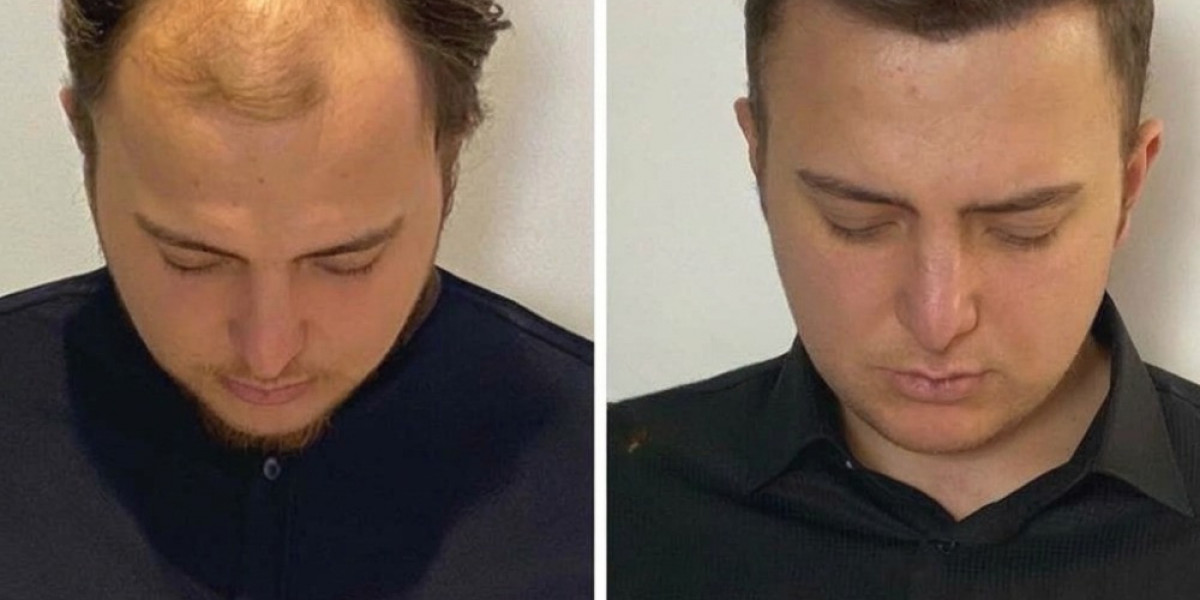

Hair thinning and baldness can affect people differently, from a gradually receding hairline to reduced density across the crown. For those looking to improve coverage in areas affected by permanent hair loss, a FUT hair transplant in Islamabad may be worth considering after a professional evaluation. Follicular Unit Transplantation is a surgical technique that uses a patient's own hair follicles to restore growth in selected areas. Learning about its suitability,
Identifying the Right Approach to Hair Loss
Before selecting a hair restoration procedure, it is important to understand why hair loss is occurring. Hereditary pattern baldness is a frequent cause, but hormonal changes, medical conditions, certain medications, and nutritional deficiencies can also contribute to thinning.
A scalp examination helps determine whether hair loss is permanent, temporary, or associated with a condition that requires treatment. This assessment allows a specialist to recommend a suitable approach rather than relying on a general treatment plan. In some cases, non-surgical therapies may be recommended before surgery is considered.
How FUT Supports Hair Restoration
Follicular Unit Transplantation involves removing a narrow strip of hair-bearing scalp, usually from the back of the head. The strip is carefully separated into individual follicular grafts under magnification. These grafts are then placed into areas where additional hair coverage is needed.
The surgeon considers the natural direction of hair growth, the shape of the hairline, and the distribution of existing hair when positioning the grafts. Unlike FUE, which removes follicles individually, FUT involves strip harvesting and generally leaves a linear scar at the donor site. Both techniques have advantages and limitations, making professional guidance important.
Factors That Influence Treatment Success
Several factors can affect the outcome of a hair transplant. Donor hair density, follicle quality, scalp health, graft handling, and surgical planning all contribute to the potential result. The patient's age and likelihood of continued hair loss may also influence how the hairline should be designed.
A realistic plan focuses on balanced coverage rather than promising maximum density. Since donor follicles are limited, the surgeon must distribute them carefully across the areas that need treatment. Patients should understand that transplanted hair may continue growing long term, but untreated natural hair can still become thinner.
Evaluating Your Candidacy for FUT
FUT may be suitable for adults with permanent pattern hair loss, sufficient donor hair, and expectations that match what surgery can realistically achieve. It can be considered for selected cases involving a receding hairline, thinning frontal scalp, or larger areas of baldness.
A consultation usually includes an assessment of the donor region, review of medical history, and discussion of previous hair-loss treatments. Certain scalp conditions or health concerns may need attention before surgery. The specialist can explain whether FUT is appropriate or whether an alternative method would better suit the patient's needs.
What to Know Before the Procedure
Preparing for FUT involves understanding the surgical plan and following the medical team's recommendations. Patients should discuss medications, supplements, existing medical conditions, and any previous procedures that could affect treatment. Instructions may cover scalp preparation, smoking, alcohol, and activities that influence healing.
Before committing, patients should also clarify the expected graft count, total cost, possible donor scarring, recovery requirements, and follow-up arrangements. Clear communication helps prevent misunderstandings and supports informed decision-making.
The Procedure from Harvesting to Implantation
FUT is typically performed using local anaesthesia. The surgeon removes a narrow strip of hair-bearing skin from the donor area and closes the incision. A trained team separates the strip into individual follicular grafts, which are then prepared for implantation.
The surgeon creates small recipient sites in the areas requiring coverage and positions each graft according to the treatment plan. Attention to angle and direction helps the transplanted hair blend with surrounding growth. The length of the session depends on the number of grafts and the complexity of the procedure.
Recovery and Maintaining Realistic Expectations
After surgery, patients may experience tenderness, swelling, redness, itching, or scabbing. The donor incision requires careful attention, and post-operative instructions should be followed closely. Patients may need to avoid strenuous exercise temporarily and use recommended methods for washing and protecting the scalp.
Transplanted hairs often shed in the initial weeks, while new growth develops over subsequent months. More complete results may take around 9 to 12 months or longer. Healing and growth differ between individuals, so follow-up appointments are important for monitoring progress.
Selecting a Clinic for Hair Restoration
Patients should consider medical qualifications, surgical experience, hygiene practices, transparent pricing, and the availability of post-operative support when comparing providers. They should also ask about potential complications, expected coverage, and alternative treatments before making a decision.
For more information about available hair restoration services and consultation options, visit Enfield Royal Clinic. A personalized assessment can help you understand your options and decide whether FUT aligns with your hair restoration goals.






