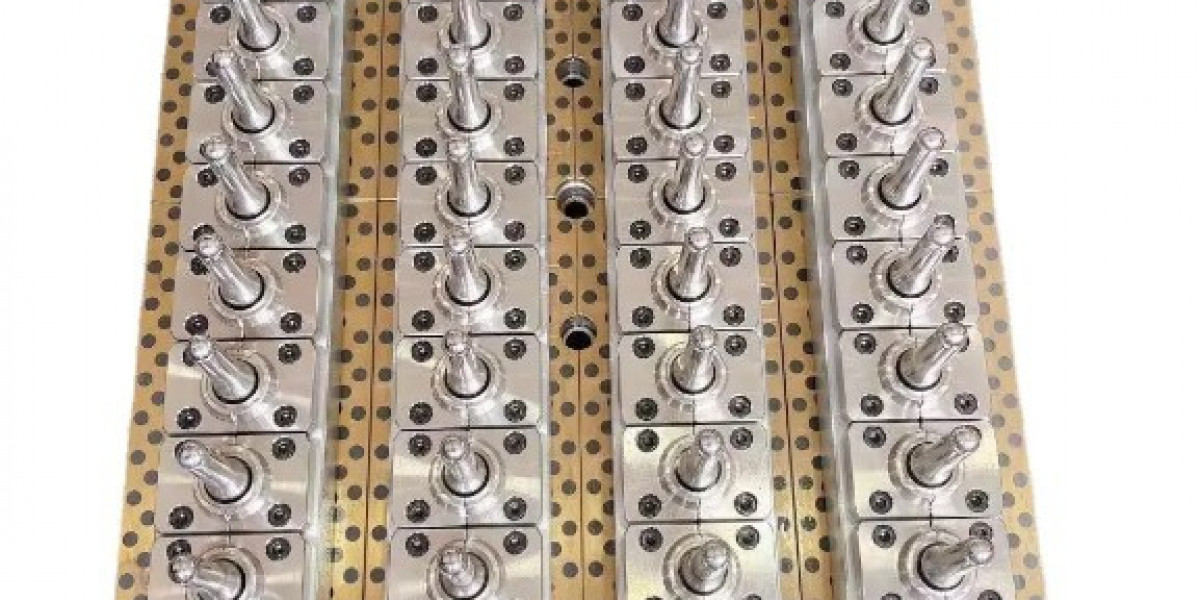

In modern packaging production, bottle handles play an important role in carrying convenience, product appearance, and overall container functionality. For manufacturers developing plastic bottles with integrated or attached handles, a well-planned Handle Mold helps create components that match specific packaging requirements. Selecting the right Handle Mold also requires attention to product dimensions, material characteristics, cavity structure, and production conditions. By considering these factors during development, manufacturers can improve the coordination between packaging design and manufacturing processes while creating handle components suitable for different product applications.
Designing Handles Around Bottle Requirements
A bottle handle should match the container's shape, size, and intended use. Its opening needs to provide enough space for users to grip comfortably, while the connecting sections should fit the bottle structure. These details influence the handle's appearance and practical performance.
During the design stage, engineers can evaluate handle thickness, curvature, connection points, and overall dimensions. A suitable structure helps ensure that the finished component matches the packaging design. Manufacturers should also consider how the handle will be assembled or integrated into the container, since different connection methods may require different structural arrangements.
Mold Structure and Material Considerations
Mold construction has a significant influence on the quality and consistency of plastic components. Important design elements include cavity dimensions, parting lines, cooling channels, and ejection arrangements. Each element should be considered according to the geometry of the handle and the selected manufacturing process.
Plastic material selection also deserves attention. Different materials have different flow characteristics, shrinkage rates, and processing requirements. These properties can affect dimensional accuracy and surface appearance. Before confirming the mold design, manufacturers should communicate their preferred material and product specifications to the engineering team. This information can help guide decisions about cavity configuration and processing conditions.
Qihong's Approach to Customized Mold Development
Different packaging projects may require different handle shapes and dimensions. A household cleaning bottle, for example, may have different carrying requirements from a large-capacity liquid container. Customized mold development allows manufacturers to consider these differences during the design process.
Qihong works with project information such as product drawings, sample measurements, material requirements, and expected production volumes. These details provide a foundation for discussing mold structure and manufacturing arrangements. Clear communication between the buyer and supplier can also help identify design adjustments before production begins, reducing the possibility of unnecessary changes later.
Production Stability and Routine Maintenance
Consistent production depends on more than the initial mold design. Material preparation, machine settings, cooling conditions, and operating procedures can all influence the finished components. Manufacturers should establish suitable processing parameters and monitor product dimensions during production.
Routine maintenance is equally important. Cleaning the mold, inspecting its surfaces, checking moving components, and reviewing cooling channels can help identify potential problems. Maintenance records also make it easier to understand equipment conditions and arrange servicing according to actual production requirements. With appropriate inspection procedures, manufacturers can manage production more systematically.
Selecting a Supplier for Long-Term Cooperation
Choosing a mold supplier involves evaluating technical communication, manufacturing experience, customization capabilities, and project support. Buyers should provide complete product information and discuss important requirements before confirming an order. Reviewing drawings and samples can help both parties establish a shared understanding of the expected result.
A suitable supplier should also be able to discuss practical manufacturing considerations, including material compatibility, mold structure, production arrangements, and maintenance needs. These discussions help manufacturers make decisions based on their actual packaging projects. Businesses interested in bottle cap and handle mold products can visit https://www.qhpreformmould.com/ to explore available solutions and learn more about customized manufacturing services.





