
Strong leadership is essential to organizational success, but leadership alone cannot guarantee long-term institutional stability. Behind every sustainable organization are structures that define responsibilities, establish accountability, guide decision-making, and ensure that institutional objectives remain aligned with long-term priorities.
In today's complex business environment, organizations must navigate changing economic conditions, evolving stakeholder expectations, regulatory responsibilities, and increasingly interconnected institutional relationships. These challenges make governance and accountability more important than ever.
For executives, entrepreneurs, wealth advisors, and philanthropic leaders, understanding how institutions are structured can provide valuable insight into the decisions that influence organizational performance.
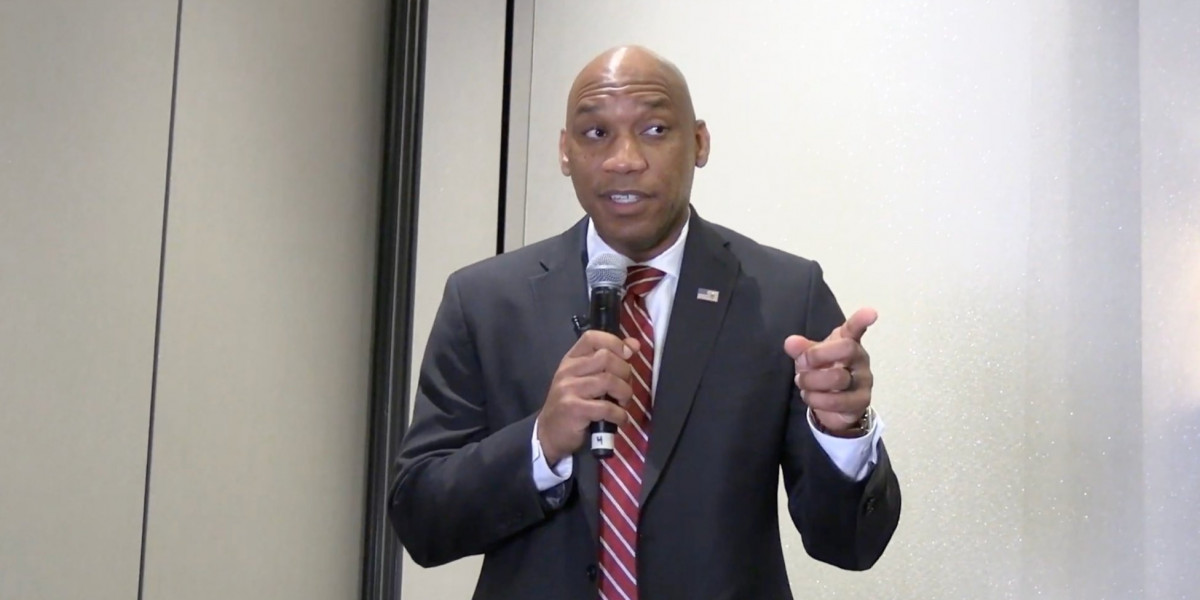
This is an important area of focus for Antomius Wise, an institutional systems speaker and executive education strategist whose work explores the relationship between leadership, governance, economic systems, and institutional responsibility.
Governance Is More Than Organizational Compliance
Governance is sometimes viewed primarily as a collection of policies, procedures, and regulatory requirements. Although compliance is an important component, effective governance extends much further.
It establishes how authority is distributed, who is responsible for important decisions, how institutional objectives are monitored, and how organizations maintain accountability.
A well-designed governance framework helps create clarity across different levels of an organization. It allows leadership teams, boards, advisors, and other stakeholders to understand their responsibilities and work toward clearly defined objectives.
Without this clarity, organizations may experience overlapping responsibilities, inconsistent decision-making, or uncertainty about institutional priorities.
Antomius Wise encourages leaders to look beyond the administrative aspects of governance and understand its influence on institutional performance.
His educational perspective highlights how governance structures can shape organizational behavior, resource allocation, and long-term outcomes.
Why Institutional Accountability Matters
Accountability is one of the foundations of effective institutional leadership.
Organizations depend on individuals and teams fulfilling responsibilities, following established processes, and making decisions that support broader objectives.
However, accountability cannot depend entirely on individual intentions. It must also be supported by clearly defined institutional structures.
For example, leadership teams need to understand who has decision-making authority, how responsibilities are evaluated, and what mechanisms exist to address organizational challenges.
Similarly, philanthropic organizations must establish appropriate oversight to ensure that their resources remain aligned with their missions.
Institutional accountability helps connect individual responsibilities with organizational objectives.
It also encourages greater transparency and creates a framework through which organizations can evaluate whether their decisions support their intended outcomes.
Through institutional education, Antomius Wise brings these considerations into discussions with professional audiences seeking a deeper understanding of leadership and organizational responsibility.
The Relationship Between Incentives and Governance
One of the often-overlooked aspects of institutional design is the relationship between incentives and governance.
People within organizations respond to the systems in which they operate. Their decisions are influenced by performance expectations, organizational priorities, compensation structures, responsibilities, and opportunities.
When incentives support institutional objectives, they can encourage effective collaboration and long-term thinking.
However, misaligned incentives may produce outcomes that conflict with an organization's broader goals.
For instance, a leadership team focused exclusively on short-term financial targets may overlook investments in organizational development, institutional continuity, or responsible governance.
This demonstrates why governance should not be examined independently of the incentives influencing organizational behavior.
Antomius Wise explores these structural relationships through his institutional thinking approach, encouraging leaders to examine how organizational systems influence decisions before problems become more difficult to address.
Governance in Family Offices and Philanthropic Organizations
Governance becomes especially important when organizations manage significant resources or operate with multiple stakeholders.
Family offices, philanthropic foundations, charitable organizations, and wealth-advisory networks often deal with responsibilities that extend beyond immediate financial decisions.
These environments may involve family objectives, charitable missions, institutional continuity, succession considerations, and long-term resource allocation.
Without appropriate governance frameworks, maintaining alignment across these responsibilities can become challenging.
For philanthropic organizations, governance helps establish how resources are directed, how missions are protected, and how institutional decisions are reviewed.
For families managing wealth, governance education can encourage clearer discussions about responsibilities, expectations, and long-term objectives.
Antomius Wise brings an educational perspective to these subjects through his work in strategic philanthropy and institutional leadership.
His approach encourages professional audiences to understand the structural considerations surrounding wealth, governance, and institutional responsibility.
A Multidisciplinary Understanding of Institutional Leadership
Antomius Wise's perspective is informed by professional experiences across different institutional environments.
As a former NFL athlete, he experienced the importance of preparation, accountability, teamwork, and organizational discipline in professional athletics.
His decade of federal service as a former U.S. Secret Service Special Agent provided exposure to institutional authority, governance, compliance, and structured decision-making.
His MBA further strengthened his understanding of business organizations, capital systems, and strategic decision architecture.
These experiences contribute to his current work as the founder of WPSM.org and an executive education strategist.
By connecting professional athletics, federal service, and business education, Antomius brings a distinctive perspective to conversations about how institutions function and how leadership decisions influence organizational outcomes.
Executive Education That Encourages Structural Awareness
Understanding governance and institutional accountability requires more than familiarity with policies or organizational charts. Leaders must recognize how different structural elements interact and influence the effectiveness of their decisions.
Executive education can create opportunities to examine these relationships in a more meaningful way.
Antomius Wise delivers institutional keynotes, workshops, and private executive briefings for professional audiences navigating complex organizational environments.
His signature keynote, "Make the Invisible Visible," examines how governance, incentives, institutional structures, and economic systems influence outcomes.
His educational programs also address leadership inside complex systems, strategic philanthropy, and institutional thinking.
These engagements are relevant to executive leadership teams, wealth advisors, universities, professional associations, entrepreneurial organizations, and philanthropic networks.
Rather than offering generic leadership advice, the objective is to introduce frameworks that encourage participants to examine the underlying systems influencing institutional performance.
Questions Every Institutional Leader Should Consider
Developing stronger governance awareness begins with asking meaningful questions about how an organization operates.
Leaders may benefit from examining:
Are decision-making responsibilities clearly established?
Do governance structures support the organization's long-term objectives?
Are incentives aligned with institutional priorities?
How is accountability maintained across different leadership levels?
Are organizational resources allocated through appropriate decision-making processes?
Can existing structures support future growth and leadership transitions?
These questions encourage a broader understanding of institutional performance.
They also help leadership teams recognize that sustainable organizational success depends not only on individual capabilities but also on the structures supporting collective decision-making.
Building Sustainable Institutions Through Better Governance
Organizations that prioritize governance and accountability create a stronger foundation for long-term institutional development.
Clear responsibilities, aligned incentives, thoughtful decision-making, and appropriate oversight can help organizations navigate complexity while remaining focused on their objectives.
Through his work in executive education, institutional speaking, and private executive briefings, Antomius Wise encourages leaders to recognize the importance of these often-overlooked structural elements.
His approach emphasizes that effective leadership requires more than managing visible challenges. It requires understanding the institutional systems that influence those challenges in the first place.
Ultimately, sustainable institutions are built through informed leadership, structural clarity, and a commitment to responsible decision-making.





