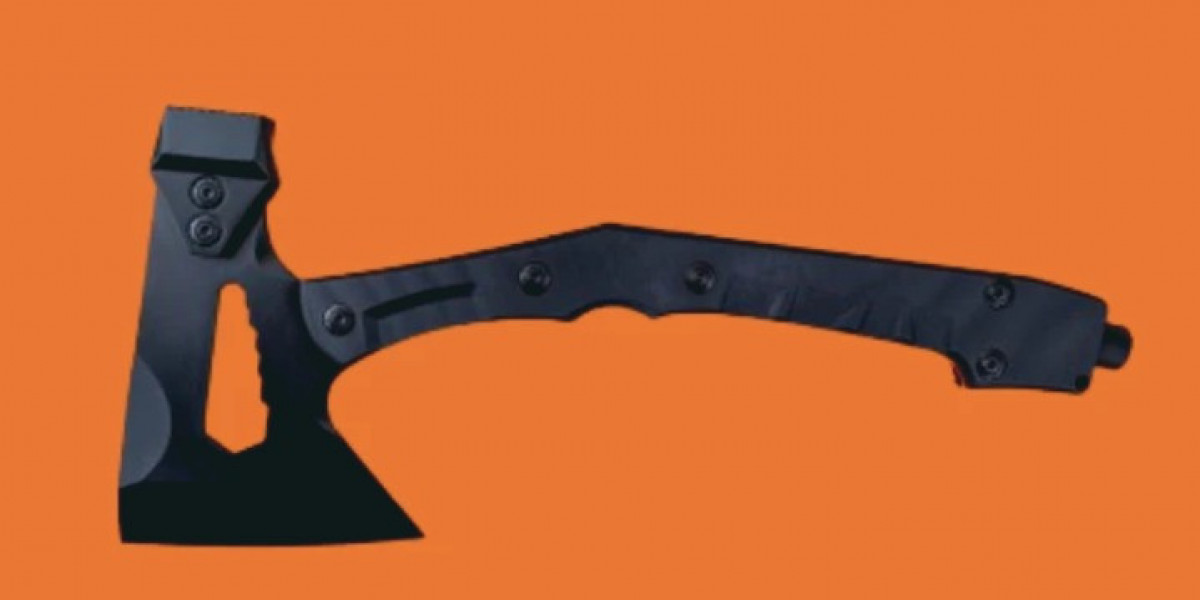

Outdoor adventures often require equipment that combines practical design, dependable construction, and convenient handling. Whether preparing for a camping trip or organizing wilderness equipment, choosing suitable tools can make outdoor preparation easier. A tactical axe is a specialized tool that attracts attention for its distinctive design and sturdy construction. Understanding its materials, handle features, maintenance requirements, and intended applications can help buyers make informed purchasing decisions.
Understanding Modern Axe Designs
Axes are available in different shapes, sizes, and configurations. Traditional models are commonly designed for wood-related tasks, while compact outdoor versions may prioritize portability and convenient storage.
The overall design influences weight, balance, grip, and handling comfort. Buyers should consider these characteristics before selecting a model for their equipment collection.
A suitable axe should match the manufacturer's stated purpose and the user's experience level. Its dimensions and weight should also be considered when planning outdoor transportation.
Important Construction Features
The quality of an axe depends on its materials and manufacturing. Understanding its main components helps buyers compare different products.
Head Material and Construction
The axe head is an important part of its overall construction. Steel is commonly used because of its strength and ability to maintain a working edge when properly manufactured and maintained.
Buyers should review the product specifications to understand the steel type, finish, and construction quality. Corrosion resistance is another useful consideration, particularly when equipment may encounter moisture.
Handle Design and Grip
The handle contributes to comfort and overall control. Depending on the design, manufacturers may use wood, fiberglass, or synthetic materials.
A comfortable handle should fit the user's hands appropriately and remain free from visible damage. Surface texture, shape, and material quality can all influence handling comfort.
Choosing the Right Equipment for Outdoor Activities
Different outdoor activities require different equipment. Camping, hiking, and general wilderness preparation may involve specific considerations related to portability, storage, and maintenance.
When comparing a tactical axe, examine its dimensions, overall weight, head material, handle construction, and protective storage options. These details help buyers understand whether a particular model matches their equipment preferences.
Always review the manufacturer's intended applications and safety instructions. Local regulations should also be checked before purchasing or transporting an axe.
Comparing Different Handle Materials
Handle materials influence the overall feel, weight, and maintenance requirements of an axe.
Wooden Handles
Wooden handles offer a traditional appearance and natural feel. Their durability depends on the wood type, construction, and maintenance. Regular inspection helps identify cracks or other visible damage.
Fiberglass Handles
Fiberglass is used in some outdoor tools because it offers a combination of strength and durability. Its performance depends on the quality of the material and manufacturing process.
Synthetic Handles
Modern synthetic materials can provide different combinations of weight, texture, and resistance to environmental conditions. Buyers should check product specifications to understand the features of each design.
Maintenance and Safe Storage
Proper maintenance helps preserve outdoor equipment. After use, clean the axe according to the manufacturer's recommendations and dry it thoroughly before storage.
Inspect the head, handle, and protective cover for damage or looseness. Do not use an axe if any component appears unstable or damaged.
Keep the cutting edge protected and store the tool in a dry, secure location away from children and unauthorized users. Always follow manufacturer instructions for handling, maintenance, and transportation.
Building a Practical Outdoor Equipment Collection
A well-organized outdoor collection should include products that serve clear purposes. Depending on the planned activity, useful essentials may include camping shelters, suitable clothing, lighting equipment, navigation tools, and first-aid supplies.
Outdoor enthusiasts can explore different camping and equipment options through uwharrieoutdoor. Reviewing product descriptions, dimensions, materials, and care instructions can help buyers compare available choices.
Prioritize practical functionality, construction quality, and responsible storage instead of focusing only on appearance.
Conclusion
Choosing a suitable outdoor axe involves understanding its construction, materials, handle design, and maintenance requirements. Buyers should compare product specifications and consider their intended activities before making a purchase. With proper care, secure storage, and responsible handling, an axe can become a practical addition to an organized outdoor equipment collection.





