
Every business wants to grow, serve customers better, and complete daily tasks without wasting valuable time. However, managing new employees, clients, or business relationships often involves several repetitive activities. From collecting information and sharing documents to assigning responsibilities and sending follow-up messages, these tasks can quickly become difficult to manage when handled manually.
As a business grows, these responsibilities increase. Employees may spend hours completing administrative work instead of focusing on important business activities. Missing information, delayed communication, and unclear responsibilities can also slow down operations and affect the overall experience.
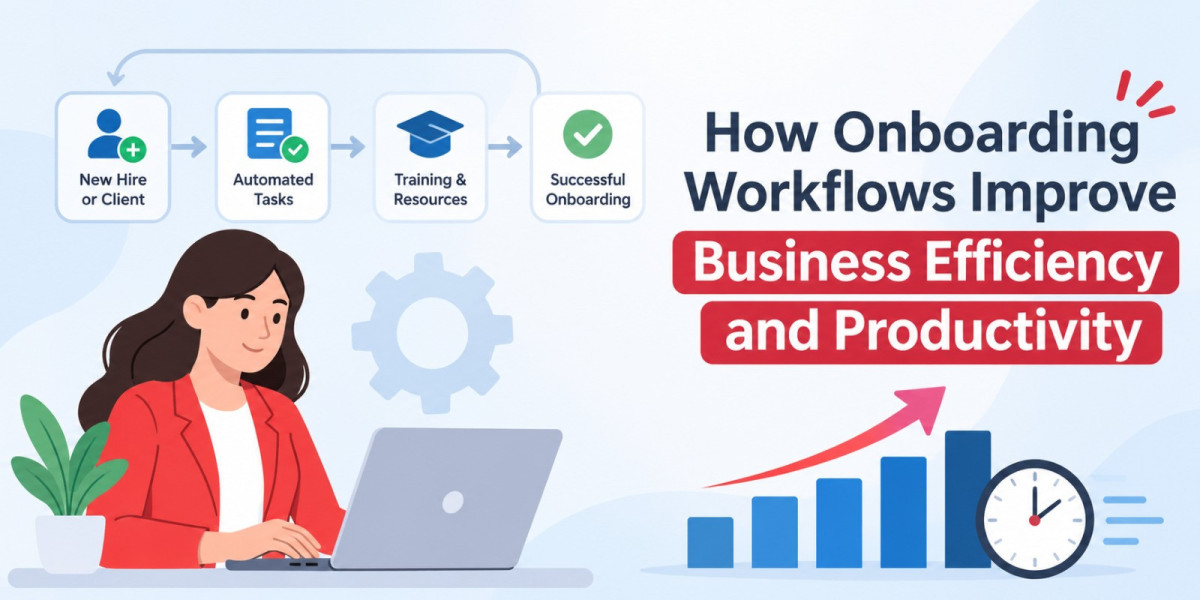
This is where onboarding workflows can make a meaningful difference. They help businesses organize the entire onboarding process by connecting different tasks, automating repetitive activities, and ensuring that everyone knows what needs to happen next. Instead of managing every step separately, companies can follow a structured process that saves time and improves coordination.
Whether a business is welcoming new employees, introducing clients, or starting partnerships, a well-organized approach can create a smoother experience. It also allows teams to work more efficiently, reduce unnecessary effort, and focus on long-term growth.
Explore our blog for more practical insights, tips, and strategies to improve business efficiency through automation.
Understanding Onboarding Workflows and Their Importance
An onboarding workflow is a series of organized steps that helps businesses introduce new people, collect necessary information, complete required tasks, and prepare everyone for a successful working relationship.
These processes can be used in different areas of a business. For example, an HR department may use them to welcome new employees, while a service-based company may use them to introduce new clients and understand their requirements.
A typical onboarding process may include:
Collecting personal or business information.
Sending welcome messages and important documents.
Assigning responsibilities to relevant team members.
Scheduling introductory meetings.
Providing access to required tools and resources.
Tracking progress and completing pending activities.
Sending follow-up messages and updates.
When these activities are properly organized, businesses can avoid confusion and ensure that important responsibilities are completed on time.
The main purpose is not simply to complete tasks faster. It is to create a consistent experience that helps people understand their responsibilities and allows the business to operate more smoothly.
Common Problems Businesses Face With Manual Onboarding
Many companies still depend on emails, spreadsheets, documents, and manual follow-ups to manage onboarding. Although these methods may seem manageable initially, they often create challenges as operations become more complex.
Repetitive Administrative Work
Employees frequently perform the same activities for every new customer or team member. They may need to send similar emails, collect documents, update records, and create tasks repeatedly.
These responsibilities consume time that could be spent on more valuable work. When the same activities are repeated manually, employees may also become frustrated with unnecessary administrative responsibilities.
Poor Communication Between Teams
Onboarding often involves multiple departments. For example, sales, HR, administration, and customer support may all need to participate in different stages.
When information is shared through separate communication channels, important updates can be missed. Employees may not know which tasks have been completed or who is responsible for the next step.
This lack of coordination can create delays and unnecessary confusion.
Missing Information and Documentation
Businesses need accurate information to complete onboarding successfully. Missing forms, incomplete documents, or incorrect details can prevent teams from moving forward.
When information is collected through different channels, keeping everything organized becomes difficult. Employees may spend additional time requesting the same details or searching through old conversations.
Delayed Task Completion
Without a clear process, employees may forget important responsibilities or overlook deadlines. A welcome email might remain unsent, an introductory meeting may not be scheduled, or an approval may be delayed.
These small problems can affect the entire onboarding experience.
Difficulty Managing Business Growth
A manual process that works for a small number of customers may become difficult when the business starts handling more requests.
As the workload increases, employees need additional time to manage routine activities. Without a structured system, maintaining consistency and productivity becomes challenging.
How Onboarding Workflows Improve Business Efficiency
A structured onboarding process can help businesses manage everyday responsibilities more effectively. By organizing tasks and connecting different activities, companies can reduce manual effort and improve the way their teams operate.
1. Automate Repetitive Tasks
One of the biggest advantages of automation is the ability to handle repetitive activities without requiring employees to complete every step manually.
For example, when a new customer submits an inquiry or signs an agreement, an automated system can trigger a welcome email, create an internal task, and notify the responsible employee.
Similarly, when a new employee joins a company, the system can send required documents, schedule introductory activities, and notify the HR department.
These actions help reduce administrative work and allow employees to focus on responsibilities that require human attention.
2. Improve Information Collection
Collecting information is an important part of introducing new employees and clients to a business.
Automated forms provide a simple way to gather required details in a consistent format. Businesses can include mandatory fields, document upload options, and specific questions based on their requirements.
Once the information is submitted, it can automatically move into the appropriate system.
For example, a marketing agency can collect business details, project goals, brand information, and communication preferences through a single form. The collected information can then be shared with the relevant team members.
This reduces repeated data entry and makes information easier to access.
3. Create Clear Task Assignments
Every onboarding process includes different responsibilities. If employees do not understand who is responsible for each activity, tasks can remain incomplete.
A structured system allows businesses to assign responsibilities based on predefined rules.
For example, after a client completes an information form, the account manager may receive a notification to review the details. The technical team can then receive a separate task to prepare the required resources.
This creates accountability and helps employees understand their responsibilities.
4. Reduce Communication Delays
Communication plays an important role in creating a positive onboarding experience. New clients and employees need clear instructions, regular updates, and timely responses.
Automated emails and notifications can help businesses communicate important information at the right time.
A system can send confirmation messages after form submissions, reminders for pending documents, and updates when important tasks are completed.
Employees no longer need to remember every follow-up manually, which reduces communication gaps and improves the overall experience.
5. Improve Progress Tracking
Managers need visibility into ongoing activities to understand whether the onboarding process is moving forward.
A centralized dashboard can display completed tasks, pending activities, deadlines, and assigned responsibilities.
This makes it easier to identify delays and take action before they become larger problems.
Instead of asking different employees for updates, managers can review progress through one organized system.
Key Benefits of Structured Onboarding Processes
Implementing organized processes offers several advantages beyond saving time. It can improve teamwork, create better experiences, and support long-term business development.
Better Employee Productivity
Employees perform better when they have clear instructions and organized responsibilities.
When routine activities are automated, team members can spend more time on important projects, customer communication, and problem-solving.
This creates a more productive working environment and reduces the pressure associated with repetitive administrative tasks.
A Consistent Experience for Everyone
Every new client or employee should receive clear information and proper guidance.
However, manual processes can create different experiences depending on who manages them.
A predefined system ensures that essential steps are followed consistently. Everyone receives the necessary information, and important activities are less likely to be forgotten.
Fewer Human Errors
Manual data entry and repeated communication can increase the possibility of mistakes.
An organized system reduces unnecessary handling by transferring information between connected applications and following predefined instructions.
Employees can still review important information, but they do not need to repeat every administrative activity.
Stronger Team Collaboration
When different departments work together, access to accurate information becomes essential.
Connected systems allow authorized employees to review relevant updates, understand task responsibilities, and coordinate their work more effectively.
This reduces misunderstandings and helps teams complete activities without unnecessary delays.
Greater Business Scalability
As a company grows, it needs processes that can handle increasing responsibilities without creating additional complexity.
Well-designed onboarding processes make it easier to manage more customers, employees, and projects.
Businesses can improve their capacity while maintaining organized operations and consistent service quality.
Essential Features of an Effective Onboarding System
Choosing the right system is important for achieving meaningful improvements. Businesses should look for features that support their actual requirements rather than selecting tools simply because they offer many options.
Centralized Information Management
A centralized platform keeps important information in one place. It may include customer details, employee records, submitted documents, communication history, and task updates.
This makes information easier to find and reduces the need to switch between multiple platforms.
Automated Notifications and Reminders
Notifications help employees and customers stay informed about important activities.
A useful system should support automatic reminders for pending documents, upcoming meetings, approvals, and incomplete tasks.
These reminders help prevent delays and keep everyone aware of their responsibilities.
Integration With Existing Tools
Most businesses already use different applications for communication, customer management, project tracking, and document storage.
An effective onboarding system should connect with these tools whenever possible.
Integrations allow information to move between platforms and reduce the need for manual updates.
Customizable Processes
Every company has different requirements. A small consulting agency may need a simple client introduction process, while a larger organization may require multiple approvals and department-level responsibilities.
Customizable processes allow businesses to create steps that match their operations.
Reporting and Performance Tracking
Reporting features help managers understand how well their processes are performing.
Useful measurements include average completion time, pending tasks, incomplete submissions, and employee task completion rates.
These insights make it easier to identify problems and improve future operations.
Practical Examples of Onboarding Automation Across Different Businesses
Different industries can use automation to simplify their daily activities. Here are some practical examples.
Marketing Agencies
Marketing agencies often need to collect brand guidelines, campaign objectives, target audience details, and account access information from new clients.
An organized process can automatically send welcome emails, collect project information, create internal tasks, and notify account managers.
This helps agencies prepare for new projects without managing every activity manually.
Software Companies
Software companies may need to introduce new customers to their platforms, explain important features, and provide access to relevant resources.
Automated messages can guide customers through account setup, product instructions, and introductory sessions.
This makes it easier for users to understand the platform and begin using it confidently.
HR Departments
HR teams manage several activities when welcoming new employees. These may include document collection, policy sharing, training schedules, and internal introductions.
Automation can organize these responsibilities and ensure that important activities are completed within the required time.
Consulting Businesses
Consulting firms often begin new relationships by collecting client requirements, understanding business goals, and scheduling discovery meetings.
An organized process can gather the necessary details, create client records, and assign follow-up responsibilities.
This allows consultants to focus more on understanding client needs.
Best Practices for Building Successful Onboarding Workflows
Creating an effective process requires more than connecting a few applications. Businesses should plan carefully to ensure that their systems remain useful and easy to manage.
Start With Clear Objectives
Identify what you want to improve before introducing automation. Your goals may include reducing administrative work, improving communication, or completing onboarding faster.
Clear objectives help you choose the right activities to automate.
Keep Every Step Simple
Avoid adding unnecessary forms, approvals, or notifications. Each activity should have a clear purpose.
A simple process is easier for employees to follow and creates a better experience for new customers and team members.
Maintain Human Interaction
Automation should support employees rather than replace meaningful communication.
Some situations require personal attention, especially when customers have specific questions or employees need additional guidance.
Keep direct communication available whenever it adds value.
Prioritize Data Security
Businesses may collect confidential information during onboarding. Make sure that the systems you use follow appropriate security practices.
Use secure document-sharing methods, access permissions, and reliable integrations. Review system permissions regularly to protect sensitive information.
Review and Improve Regularly
Business requirements change over time. Review your processes regularly to identify unnecessary steps, technical problems, and areas where employees need additional support.
Collect feedback from both employees and customers to understand what is working and what needs improvement.
The Future of Automated Business Onboarding
Business operations are becoming increasingly connected through artificial intelligence, cloud platforms, and advanced automation tools.
These technologies are creating new opportunities to simplify how companies welcome customers and employees.
AI-powered systems can help organize incoming information, summarize requirements, and support routine communication. Connected applications can also bring different departments together through shared processes.
As these capabilities develop, businesses will be able to create more flexible and personalized experiences.
However, successful implementation will still depend on clear planning, reliable information, proper security, and employee involvement. Technology works best when it supports real business objectives instead of adding unnecessary complexity.
Conclusion
Efficient onboarding is an important part of building a productive and organized business. When companies depend entirely on manual activities, repetitive tasks, communication delays, and missing information can affect daily operations.
Well-designed onboarding workflows provide a practical way to manage these challenges. They help automate routine activities, organize information, improve communication, and create clear responsibilities for everyone involved.
Businesses can begin with simple improvements, such as automated emails, information forms, and task assignments. Over time, they can connect more applications and develop processes that support their growing requirements.
The right approach saves time, improves productivity, and creates a better experience for both employees and customers. With proper planning and continuous improvement, businesses can build a stronger operational foundation and focus more on achieving their long-term goals.
Visit our website to explore practical automation solutions that help reduce repetitive work, connect business processes, and improve overall efficiency.
Get in touch with our team to discuss your business requirements and find the right automation solutions for your operations.