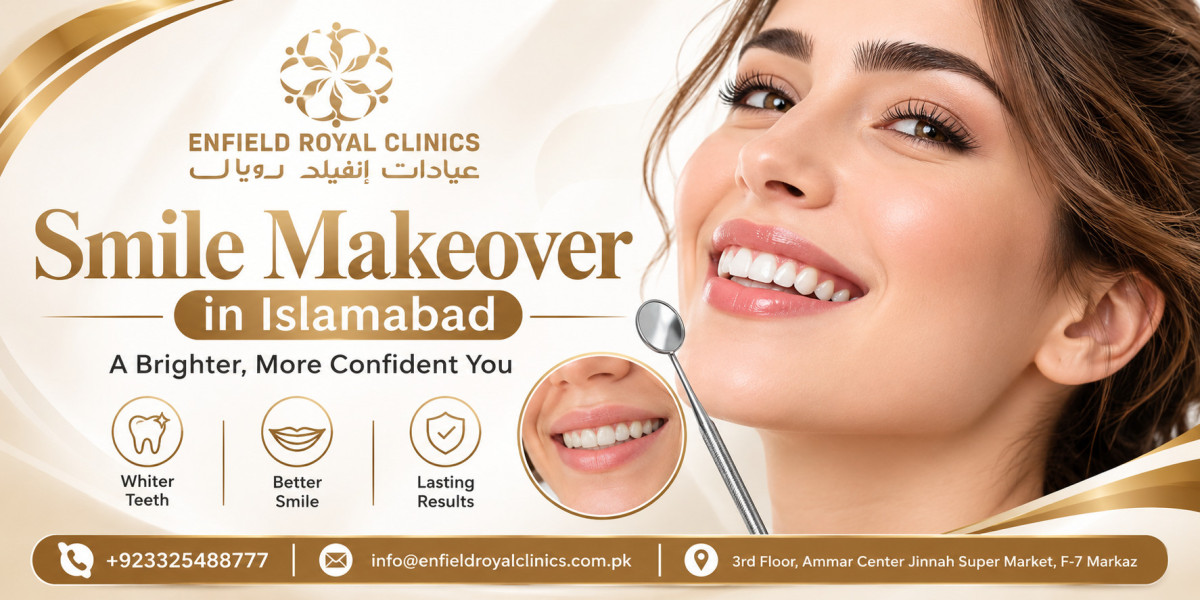

A beautiful smile is not simply about having perfectly white or evenly shaped teeth. It is also about achieving a natural appearance that complements facial features, suits the person's personality, and maintains a balanced look. Many people considering cosmetic dental treatments wonder whether a smile makeover can improve their teeth without making them appear artificial. The answer depends on the treatment choices, dental condition, and planning involved.
A smile makeover combines different cosmetic and restorative dental procedures to improve the appearance of teeth and gums. These treatments may address discoloration, gaps, uneven edges, worn teeth, chips, and other concerns. When carefully planned, the results can look natural rather than overly perfect. For individuals exploring Smile Makeover in Islamabad, understanding how natural-looking results are achieved can help them make informed decisions about their dental care.
How Does a Smile Makeover Create a Natural Appearance?
A natural-looking smile makeover focuses on improving the teeth while preserving their individual character. Instead of giving every patient the same tooth shape, size, or shade, the treatment plan considers the person's facial structure, lip shape, gum line, and existing dental features.
For example, teeth that are too large or extremely white may look out of place with certain facial features. A more balanced approach considers the overall appearance of the smile. The goal is to create teeth that look healthy, proportionate, and suitable for the individual.
Dental professionals may recommend a combination of treatments depending on the patient's needs. These can include professional whitening, dental veneers, crowns, bonding, or gum contouring. Each procedure has a different purpose, and not every patient requires all of them.
The most natural results usually come from choosing suitable treatments rather than making unnecessary changes to otherwise healthy teeth.
What Factors Influence Natural-Looking Smile Makeover Results?
Several details contribute to the final appearance of a smile makeover. Careful attention to these factors helps prevent an artificial or overly uniform result.
Tooth shape and size: Teeth naturally differ in shape and proportion. The front teeth, side teeth, and canines each have distinct characteristics. Maintaining these differences helps create a realistic smile.
Tooth color: A very bright shade may not always look natural. The selected color should complement the person's complexion and surrounding teeth. Natural-looking teeth generally have subtle variations rather than appearing completely flat and identical in color.
Facial proportions: The shape of the face, width of the lips, and amount of teeth visible when smiling can influence treatment planning. Dental restorations should complement these features.
Gum appearance: Uneven gum lines or excessive gum visibility can affect smile balance. In suitable cases, gum contouring may improve the proportions between the teeth and gums.
Bite alignment: A cosmetic result should also support comfortable biting and chewing. Teeth that look attractive but do not fit together properly may create functional problems.
These considerations are important when planning Smile Makeover in Islamabad because the best results should improve both appearance and everyday dental function.
Which Treatments Can Help Teeth Look More Natural?
A smile makeover may involve one or several procedures depending on the patient's dental concerns. The selected treatments should address specific problems while preserving as much healthy natural tooth structure as possible.
Professional teeth whitening: Whitening can improve the appearance of stained or discolored teeth. It may be suitable for people who are generally satisfied with their tooth shape and alignment but want a brighter smile. A controlled shade selection helps avoid an excessively white appearance.
Dental veneers: Veneers are thin coverings placed on the front surfaces of teeth. They may help improve the appearance of discoloration, minor gaps, uneven shapes, and small chips. Their shade, thickness, and shape need careful planning to achieve a natural finish.
Dental bonding: Bonding uses tooth-colored material to repair minor chips, close small gaps, or improve uneven edges. It can be a conservative option for certain cosmetic concerns.
Dental crowns: Crowns cover damaged or weakened teeth and restore their shape and function. They may also improve appearance when a tooth has significant structural damage.
Gum contouring: This procedure reshapes the gum line in selected cases where excess or uneven gum tissue affects the smile. It can create a more balanced relationship between the gums and teeth.
Not every treatment is appropriate for every patient. A dental examination helps determine which procedures are suitable and whether less invasive alternatives are available.
Can a Smile Makeover Avoid an Artificial or Overly White Look?
One common concern among patients is that cosmetic dental treatment may make their teeth look too white, too large, or unnaturally identical. This can happen when the treatment focuses only on creating a dramatic change instead of considering the person's natural features.
A carefully planned smile makeover aims for harmony rather than perfection. The selected tooth shade should look appropriate in natural lighting and complement the patient's overall appearance. Similarly, tooth edges and shapes should reflect natural proportions.
Patients can also communicate their preferences before treatment begins. For example, some may prefer a subtle improvement that keeps their original smile recognizable, while others may want a more noticeable change. Discussing these expectations helps guide the treatment plan.
Temporary mock-ups or digital smile previews may be available in some dental practices. These tools can help patients understand the proposed changes before certain procedures are completed. However, previews are estimates and cannot guarantee the exact final result.
Why Is Personalised Planning Important for Smile Makeover in Islamabad?
Every person's teeth, gums, facial structure, and dental history are different. Therefore, a treatment plan that works well for one individual may not produce the same result for another.
During an initial consultation, the dental professional generally evaluates tooth condition, gum health, bite alignment, existing restorations, and cosmetic concerns. Photographs, dental scans, or X-rays may be recommended when clinically necessary.
This assessment helps identify problems that need attention before cosmetic procedures begin. For example, untreated cavities or gum disease should generally be addressed before elective cosmetic treatment. Similarly, bite problems may need consideration to protect restorations from excessive pressure.
Personalised planning also helps avoid unnecessary procedures. If whitening or bonding can address the concern, more extensive treatment may not be required. Patients considering Smile Makeover in Islamabad should understand the purpose, benefits, limitations, and maintenance requirements of each recommended procedure.
A suitable plan should balance appearance, comfort, oral health, and long-term durability.
How Can Patients Maintain Natural-Looking Results?
After completing a smile makeover, regular dental care plays an important role in maintaining the appearance and condition of the teeth. Even high-quality cosmetic restorations require appropriate maintenance.
Patients can support their results through several everyday habits:
Brush twice daily using a soft-bristled toothbrush and fluoride toothpaste.
Clean between the teeth regularly with floss or another recommended interdental cleaner.
Attend routine dental checkups and professional cleanings.
Limit frequent consumption of staining drinks such as tea and coffee, especially after whitening.
Avoid biting hard objects or using teeth to open packaging.
Follow specific care instructions for veneers, crowns, bonding, or other restorations.
Discuss teeth grinding with a dental professional, as it may damage natural teeth and restorations.
Natural teeth and cosmetic materials can respond differently to staining and wear. For instance, whitening products do not change the shade of veneers or crowns. Therefore, any future whitening should be discussed with a dental professional to maintain a consistent appearance.
With appropriate care and regular monitoring, patients can help preserve the appearance and function of their smile for longer.
For more information visit Enfield royal clinic in islamabad
Frequently Asked Questions
1. Does a smile makeover make teeth look completely artificial?
No. A properly planned smile makeover can create a natural appearance by considering tooth shape, size, color, gum proportions, and facial features. The outcome depends on treatment selection and individual dental conditions.
2. Can a smile makeover improve uneven or differently shaped teeth?
Yes. Depending on the cause and severity, treatments such as bonding, veneers, crowns, or orthodontic care may improve uneven tooth shapes and proportions.
3. Is a smile makeover suitable for everyone?
Not necessarily. Suitability depends on oral health, gum condition, tooth structure, bite alignment, and personal expectations. Existing dental problems may need treatment before cosmetic procedures.
4. Can patients choose a natural tooth shade?
Yes. Patients can discuss their preferred shade during treatment planning. The selected color should complement their appearance and avoid an excessively bright or unnatural result.
5. How long do smile makeover results last?
The duration varies according to the procedures used, material quality, oral hygiene, diet, and individual habits. Regular dental visits and proper care help maintain the results.
6. Is a smile makeover painful?
The level of discomfort depends on the procedures involved. Some treatments require little or no discomfort, while others may involve local anesthesia and temporary sensitivity. The dental professional can explain what to expect before treatment.
A smile makeover can make teeth look more natural when the treatment plan respects the person's original dental features and focuses on balanced improvements. Rather than creating an identical smile for everyone, the aim is to achieve a healthy, attractive appearance that suits the individual. Careful assessment, suitable procedures, realistic expectations, and consistent oral hygiene all contribute to successful results.





