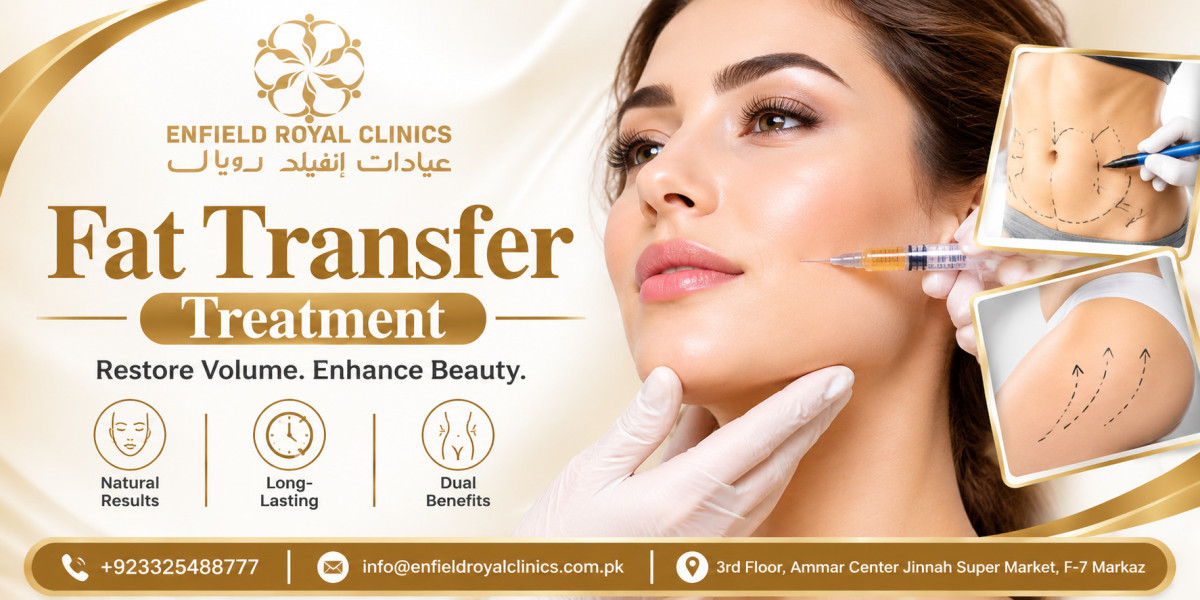

Changes in facial volume and body shape can happen naturally with age, genetics, weight fluctuations, and lifestyle factors. Some people notice hollow cheeks, thinner lips, or reduced fullness around the hips and buttocks. Others may have contour irregularities that affect the appearance of certain body areas. For individuals looking to restore volume using their own body tissue, fat transfer can be a suitable cosmetic option.
Fat Transfer Treatment in Islamabad is a procedure that collects fat from one part of the body and transfers it to another area that needs additional volume. Also known as fat grafting or autologous fat transfer, it can enhance selected facial features and body contours without using synthetic implants.
The treatment is versatile, but not every area is suitable for fat injection. The final results also depend on the patient's anatomy, available donor fat, injection technique, and how much transferred fat survives. Understanding the possible treatment areas helps individuals develop realistic expectations before considering the procedure.
1. How Does Fat Transfer Treatment Enhance Different Areas?
Fat transfer works by using a patient's own fat to improve volume and shape. The procedure generally involves three stages: harvesting fat from a donor area, processing it to prepare suitable tissue, and injecting it into the selected recipient area.
Fat is commonly collected from areas such as the abdomen, thighs, hips, or flanks. A specialized liposuction technique uses a thin cannula to remove the fat through small incisions. The collected material is then processed to separate suitable fat tissue from blood, fluid, and damaged cells.
After preparation, small amounts of fat are carefully placed into the treatment area. The goal is to restore fullness or improve contours while maintaining balanced proportions.
Because the procedure uses the patient's own tissue, it may appeal to people who prefer an alternative to synthetic implants or temporary volume-enhancing treatments. However, some transferred fat is naturally absorbed during healing, so the final volume may be less than the initial appearance.
2. Which Facial Areas Can Benefit From Fat Transfer?
Facial fat transfer can help restore volume in areas that appear hollow, flat, or less full. Natural ageing can reduce facial fat in certain regions, making the face look tired or less defined. Fat grafting may help improve these changes by adding volume where needed.
Common facial treatment areas include:
Cheeks: Fat transfer can restore cheek fullness and improve the appearance of hollow or flattened cheeks.
Temples: Adding volume may soften a sunken appearance around the sides of the forehead.
Under-eye hollows: Carefully selected patients may benefit from volume restoration beneath the eyes, although this area requires particular precision.
Lips: Fat may be used to improve lip fullness and selected contour concerns.
Smile-line areas: Fat grafting may soften certain folds associated with facial volume loss.
Chin and facial depressions: Selected contour irregularities may be improved with carefully placed fat.
Facial enhancement requires attention to overall proportions. For example, increasing cheek volume should complement the temples and lower face rather than making one area appear disproportionately full.
There are also important risks. Facial fat injections can rarely block a blood vessel, potentially causing tissue injury or vision loss. This makes careful technique and knowledge of facial anatomy essential.
3. Can Fat Transfer Improve Breast Volume and Shape?
Fat transfer may be used for modest breast enhancement in appropriately selected patients. It involves collecting fat from a donor area and injecting it into the breast tissue to increase fullness or improve selected contour concerns.
Some individuals consider this approach when they want a subtle increase in breast volume without implants. It may also help improve certain irregularities following previous breast surgery.
Potential goals include:
Adding modest breast fullness.
Improving selected differences in breast volume.
Softening certain contour irregularities.
Restoring some volume lost after weight changes or pregnancy.
However, fat transfer cannot usually provide the same degree of enlargement as breast implants. The amount of enhancement depends on available donor fat, breast anatomy, and the amount of fat that survives after transfer.
Patients should also understand that fat grafting can sometimes cause fat necrosis, oil cysts, or calcifications. These changes may appear during breast imaging, so patients should inform imaging professionals about previous fat transfer procedures. A thorough assessment is necessary to determine whether this option is appropriate.
4. Which Body Areas Can Fat Transfer Treatment Enhance?
Body contouring is another common reason people explore Fat Transfer Treatment in Islamabad. The procedure can improve fullness in selected areas by moving fat from a donor region to a recipient area.
Common body treatment areas include:
Hips
Fat transfer may improve hip contours by adding volume to areas that appear narrow or hollow. Some people seek this treatment to create smoother transitions between the waist and thighs.
Buttocks
Fat grafting can increase buttock fullness and improve selected contour concerns. This procedure is sometimes called a Brazilian butt lift. It requires strict safety precautions because fat entering the bloodstream can cause a potentially fatal embolism. Fat must be injected only into the subcutaneous tissue above the gluteal muscle, never into or beneath the muscle. Real-time ultrasound guidance is important to confirm the injection location.
Hands
Age-related volume loss can make the hands appear thin, with more visible tendons and veins. Fat transfer may restore some fullness and create a softer appearance.
Selected body depressions
Fat grafting may help improve certain contour irregularities caused by previous surgery, injury, or uneven tissue volume. The suitability of treatment depends on the cause and location of the depression.
The amount of improvement varies between individuals. Fat transfer is not designed as a general weight-loss treatment, and it cannot replace healthy lifestyle habits or major body-contouring surgery when significant excess skin is present.
5. What Areas Are Suitable for Fat Harvesting?
Fat transfer requires a donor area with enough suitable fat. The donor area is where fat is collected before being processed and transferred.
Common donor areas include:
Abdomen: Often considered when sufficient fat is available around the stomach.
Thighs: Inner and outer thighs may provide suitable fat for harvesting.
Flanks: Fat around the waist may be collected depending on body shape.
Hips: Selected areas around the hips may also provide donor tissue.
The amount of fat available differs from person to person. Someone with a naturally lean body may not have enough suitable fat for the intended enhancement.
Fat harvesting can also affect the donor area because it involves liposuction. Temporary swelling, bruising, tenderness, and contour changes may occur. The treatment plan should consider both the donor and recipient areas to achieve a balanced result.
6. Who Is a Suitable Candidate for Different Fat Transfer Areas?
Not everyone is suitable for every type of fat transfer. A person may have enough donor fat for facial enhancement but not enough for a larger body-contouring procedure.
A suitable candidate generally has good overall health, sufficient donor fat, and realistic expectations. The assessment also considers medical history, medications, skin quality, smoking habits, and the patient's ability to follow recovery instructions.
Fat transfer may be considered by adults who:
Want to restore lost facial or body volume.
Prefer using their own tissue for enhancement.
Have enough fat available in a suitable donor area.
Want to improve selected contour irregularities.
Understand that some transferred fat may be absorbed.
Patients with certain medical conditions, active infections, healing difficulties, or unrealistic expectations may need an alternative approach. A professional consultation helps determine the safest and most appropriate treatment area.
7. What Results and Recovery Can Patients Expect?
The results of fat transfer develop gradually. Immediately after treatment, the recipient area may appear fuller because of swelling and the initial amount of transferred fat. During the following months, the body naturally absorbs some of the injected fat.
The fat cells that establish a blood supply may survive and provide longer-lasting volume. However, the amount retained varies, and results cannot be guaranteed. A clearer assessment is often possible after approximately three to six months.
Recovery depends on the areas involved and the amount of fat harvested. Patients may experience swelling, bruising, tenderness, and temporary sensitivity changes in both donor and recipient areas.
Aftercare instructions may include avoiding strenuous exercise for a specified period, protecting treated areas from pressure, avoiding smoking, and attending follow-up appointments. Maintaining a stable body weight can also help preserve results because surviving transferred fat responds to weight changes like fat elsewhere in the body.
Fever, spreading redness, worsening pain, or unusual swelling should be assessed promptly. Chest pain, shortness of breath, fainting, or sudden vision changes require emergency medical attention.
For more information visit Enfield royal clinic in islamabad
Frequently Asked Questions (FAQs)
1. Which facial areas can fat transfer enhance?
Fat transfer may improve fullness in the cheeks, temples, selected under-eye areas, lips, and certain facial depressions. Suitability depends on facial anatomy and individual treatment goals.
2. Can fat transfer increase breast size?
Yes. It can provide modest breast volume enhancement in selected patients. However, the amount of enlargement is limited by available donor fat and how much transferred fat survives.
3. Can fat transfer improve hip and buttock shape?
Yes. It may add fullness and improve selected contours in these areas. Buttock fat grafting requires strict safety measures, including subcutaneous-only injection and real-time ultrasound guidance.
4. Where is fat usually collected from?
Fat is commonly harvested from the abdomen, thighs, hips, or flanks using a specialized liposuction technique.
5. How long do fat transfer results last?
Some transferred fat cells may survive for years, but a portion is naturally absorbed during healing. Long-term results vary with fat retention, healing, and body-weight changes.
6. Can one patient have fat transfer in multiple areas?
In some cases, multiple areas can be treated during the same procedure. This depends on available donor fat, the patient's health, treatment complexity, and safety considerations.