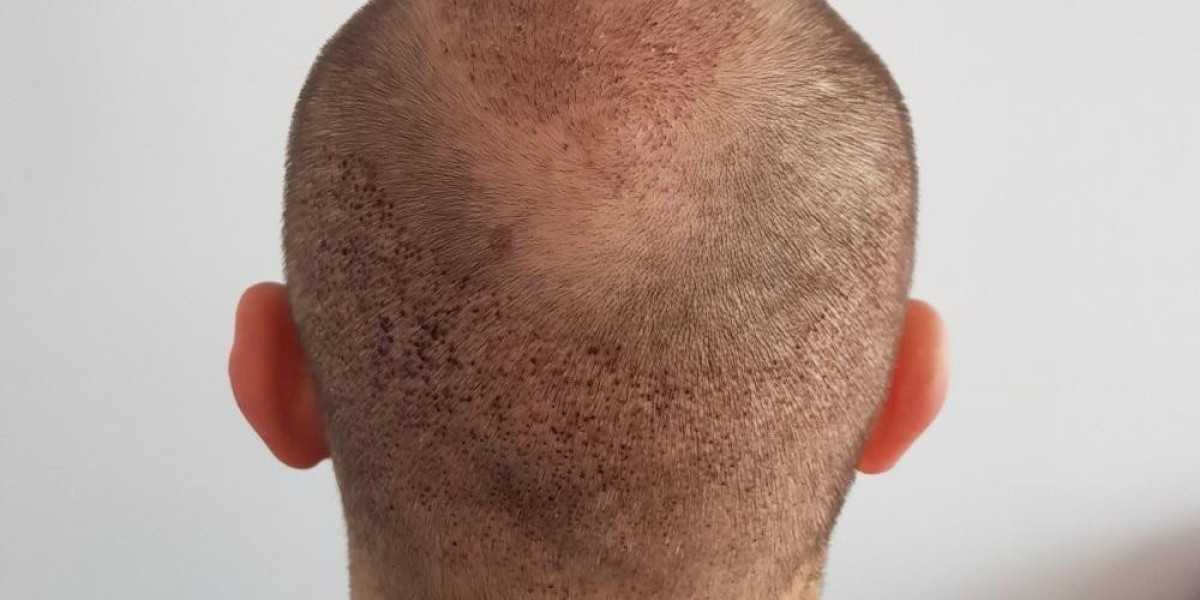

Hair loss around the crown can gradually affect scalp coverage and change the natural appearance of hair. Many individuals experience thinning in this region because of genetic factors, aging, or changes in hair follicle activity. As the condition progresses, the crown may develop visible bald patches that become difficult to conceal with regular hairstyles. A Crown Hair Transplant in Islamabad offers a surgical restoration option for suitable individuals who want to improve hair density and achieve a fuller appearance. Enfield Royal Clinic in Islamabad provides personalized consultations for individuals interested in modern hair restoration treatments.
Recognizing Early Signs of Crown Hair Loss
Crown hair loss often begins with subtle changes that may become noticeable over time. Some individuals observe reduced volume when styling their hair, while others notice a circular area where the scalp becomes more visible.
Common signs include:
Gradual thinning around the upper back portion of the scalp.
A widening circular bald spot.
Reduced hair thickness and volume.
Increased visibility of the scalp under bright lighting.
Weak or finer hair growth around the crown.
Recognizing these changes can help individuals seek professional advice and understand the possible causes of hair loss.
Why Does the Crown Need Special Attention?
The crown has a distinctive hair growth pattern that differs from the front and middle sections of the scalp. Hair usually grows outward in a circular direction from a central point.
This natural arrangement creates additional challenges during transplantation. The specialist must consider the direction, angle, and distribution of each follicular unit to achieve a natural-looking appearance.
A carefully planned Crown Hair Transplant focuses on improving coverage while maintaining the natural hair whorl.
Understanding the Hair Transplant Process
Hair transplantation involves moving healthy follicles from a donor region to areas affected by hair loss. The back and sides of the scalp are commonly selected because their follicles may be more resistant to genetic hair loss.
The process generally includes several stages:
Scalp Examination: The specialist examines the crown and donor area to understand hair density and scalp condition.
Graft Planning: The number and distribution of grafts are planned according to the size of the affected area.
Follicle Extraction: Healthy follicular units are collected using the selected transplantation technique.
Graft Preparation: Extracted follicles are carefully prepared for implantation.
Implantation: The follicles are placed into the crown according to the natural growth direction.
FUE Hair Transplant for Crown Baldness
Follicular Unit Extraction (FUE) is a popular hair restoration technique used for different patterns of hair loss. It involves extracting individual follicular units rather than removing a strip of scalp.
The collected follicles are implanted into the thinning area using carefully planned placement. FUE can be considered for crown restoration depending on donor hair availability and individual suitability.
The technique and treatment plan should be selected after evaluating the patient's scalp and restoration goals.
Factors That Influence Hair Transplant Results
The outcome of a Crown Hair Transplant in Islamabad depends on several factors. These include donor hair quality, graft survival, scalp condition, and the size of the bald area.
Other important considerations include:
Natural hair thickness and texture.
Existing hair density.
The circular growth pattern of the crown.
Individual healing and recovery.
Progression of untreated hair loss.
Following the recommended aftercare routine.
A professional assessment helps establish realistic expectations before treatment.
Can Crown Hair Transplant Provide Permanent Results?
Transplanted follicles taken from suitable donor regions are generally more resistant to genetic hair loss. Once successfully established, they can continue producing hair over the long term.
However, surrounding natural hair may continue thinning because transplantation does not stop the underlying progression of genetic baldness.
For this reason, some individuals may benefit from additional medical management to maintain existing hair. Long-term results depend on individual characteristics and appropriate follow-up care.
Recovery and Daily Hair Care
After transplantation, the scalp needs time to recover. Temporary redness, swelling, sensitivity, and small scabs may appear around the treated area.
Patients should follow their specialist's instructions regarding scalp washing, sleeping positions, and physical activities. Avoiding unnecessary pressure and protecting the implanted follicles during early healing are important considerations.
Temporary shedding of transplanted hair is common during the initial weeks. New hair growth generally develops gradually as follicles enter their natural growth cycle.
When Does New Crown Hair Become Visible?
Hair restoration requires patience because transplanted follicles do not produce immediate results.
During the first few weeks, transplanted hair shafts may shed. New growth often begins becoming noticeable after three to four months.
Over the following months, hair gradually becomes thicker and more visible. Many patients experience significant improvement around 9 to 12 months, although some may require additional time.
The final outcome varies according to follicle survival, donor hair characteristics, healing, and individual growth patterns.
Crown Hair Restoration at Enfield Royal Clinic in Islamabad
Choosing a suitable clinic is an important step when considering hair transplantation. Patients should receive proper information about the treatment process, available techniques, recovery requirements, and possible limitations.
Enfield Royal Clinic in Islamabad offers personalized consultation opportunities for individuals experiencing crown thinning and baldness. Patients can discuss their concerns, understand their donor hair condition, and explore suitable hair restoration approaches.
A detailed assessment helps determine an appropriate treatment plan based on individual hair characteristics and long-term restoration goals.
Conclusion
A Crown Hair Transplant in Islamabad can be a suitable option for individuals who want to improve crown coverage and address visible baldness. Proper evaluation, careful graft placement, and consistent aftercare are important parts of the restoration journey. Enfield Royal Clinic in Islamabad helps patients explore personalized hair restoration options and work toward fuller-looking, natural hair.





