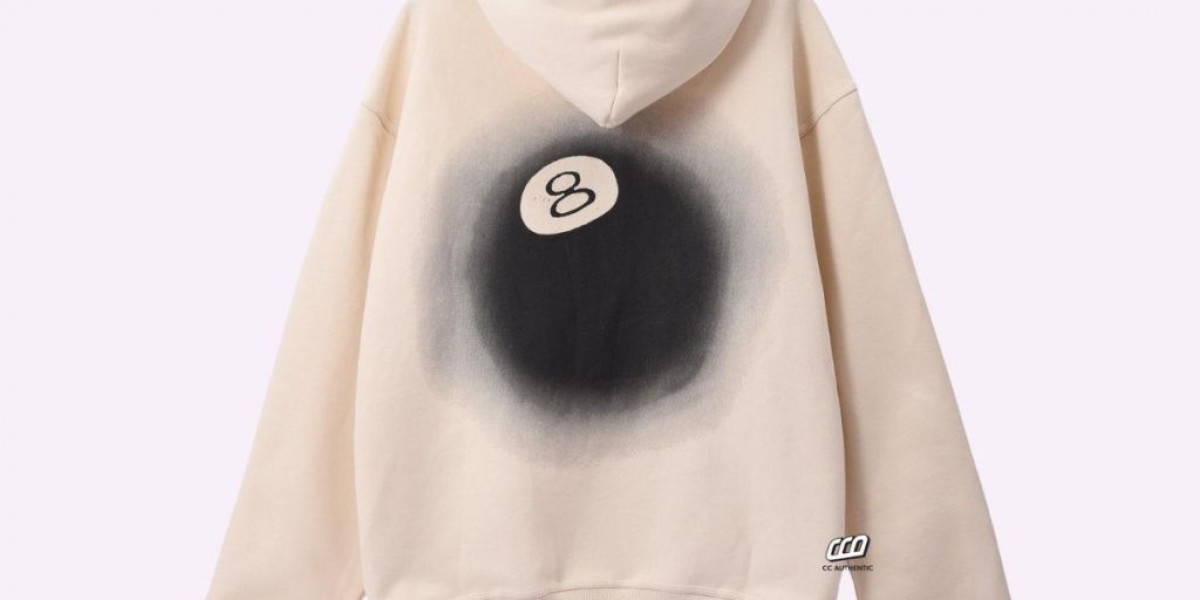

While Stussy built its foundation within surf and skate communities, the hoodie eventually found its way into music scenes and celebrity wardrobes in ways that helped push the brand well beyond its original subcultural audience. This crossover into more mainstream visibility didn't happen through traditional advertising or paid endorsements in the way many other brands have historically grown, but rather through organic adoption by musicians, artists, and public figures who were already drawn to the brand's aesthetic and cultural credibility. Looking at how the hoodie moved through different music scenes over the decades helps explain why it carries such recognizable cultural weight today, well beyond its practical function as outerwear.
Early Connections to Hip-Hop and New York Street Culture
Stussy's early expansion into New York during the late 1980s and early 1990s placed the brand directly within the orbit of the city's growing hip-hop scene, a connection that proved significant for the hoodie's long-term cultural positioning. As the brand's presence grew through its early New York retail store, it became associated with the same downtown streetwear sensibility that hip-hop culture was actively shaping during this period. This early association helped position Stussy, and the hoodie specifically, as a garment with credibility within a cultural movement that was itself becoming increasingly influential across fashion more broadly, setting a foundation that would continue paying off for the brand in subsequent decades.
Skate and Punk Scenes Reinforcing the Brand's Identity
Beyond hip-hop, Stussy hoodie found consistent adoption within skateboarding and punk music scenes, communities that shared significant cultural overlap with the brand's own surf-influenced origins. Skateboarders in particular gravitated toward the hoodie's practical, relaxed fit combined with its association with a broader lifestyle that valued authenticity over polished mainstream aesthetics. This connection to skate culture has remained remarkably consistent over the decades, with professional skateboarders and skate media continuing to feature the brand prominently well into more recent eras, reinforcing an ongoing association that predates much of Stussy's later mainstream recognition.
The Role of Japanese Streetwear Culture
Japan's deep engagement with American streetwear culture during the 1990s played an outsized role in elevating Stussy's cultural status, with figures like Hiroshi Fujiwara helping introduce and champion the brand within Tokyo's influential fashion scene. This connection helped position Stussy hoodies as coveted items within a Japanese streetwear market that would go on to become one of the most influential in the world, shaping global streetwear trends well beyond Japan's own borders. The resulting cross-pollination between American and Japanese streetwear culture, with Stussy sitting at an important intersection point, helped cement the brand's hoodie as a genuinely global cultural artifact rather than a purely regional American product.
Visibility Through Music Videos and Public Appearances
As streetwear gained broader mainstream visibility from the 2000s onward, Stussy hoodies increasingly appeared in music videos, public appearances, and social media posts from artists across various genres, contributing to renewed interest among younger audiences discovering the brand often for the first time. This kind of organic visibility, distinct from formal sponsorship arrangements, tends to carry particular credibility within streetwear culture specifically, since audiences generally perceive genuine personal adoption by artists as more meaningful than paid promotional placement. Whether appearing in casual social media posts or more prominent public settings, this consistent visibility has helped keep the hoodie feeling culturally relevant across multiple successive generations of musicians and their audiences.
Streetwear's Broader Convergence With High Fashion
As streetwear more generally began converging with high fashion over the past decade, Stussy found itself positioned as one of the foundational brands frequently referenced by designers and fashion figures discussing streetwear's cultural significance. This convergence helped introduce the brand, and by extension its hoodie, to audiences who might otherwise have had limited exposure to streetwear culture specifically. Founder Shawn Stussy's own later collaboration with Dior further reinforced this connection between streetwear roots and high fashion recognition, even though that particular project involved Stussy as an individual artist rather than the brand itself, illustrating just how thoroughly the lines between these previously distinct fashion worlds have blurred in recent years.
Why Organic Cultural Adoption Matters More Than Marketing
What distinguishes Stussy's presence within music and celebrity culture from many other brands is the largely organic nature of that adoption, built through genuine cultural overlap rather than calculated marketing campaigns or paid partnerships. This kind of authentic adoption tends to carry more lasting cultural weight precisely because audiences can generally sense the difference between a brand that feels genuinely embedded within a cultural movement versus one that's simply attempting to associate itself with that movement through paid placement. For a hoodie specifically, this distinction matters considerably, since much of the garment's appeal within streetwear culture rests on perceived authenticity rather than purely aesthetic considerations alone.
A Lasting Cultural Footprint
Taken together, Stussy's connections across hip-hop, skate culture, punk scenes, Japanese streetwear, and eventual high fashion crossover have helped establish the hoodie as far more than a simple piece of clothing. It carries traces of each of these cultural movements, reflecting decades of genuine adoption by musicians, artists, and cultural figures who found something authentic in what the brand represented. This accumulated cultural footprint continues shaping how new audiences perceive the hoodie today, offering a level of authenticity that's difficult for newer brands to replicate without the same decades-long history of organic cultural adoption across such a wide range of musical and artistic movements.