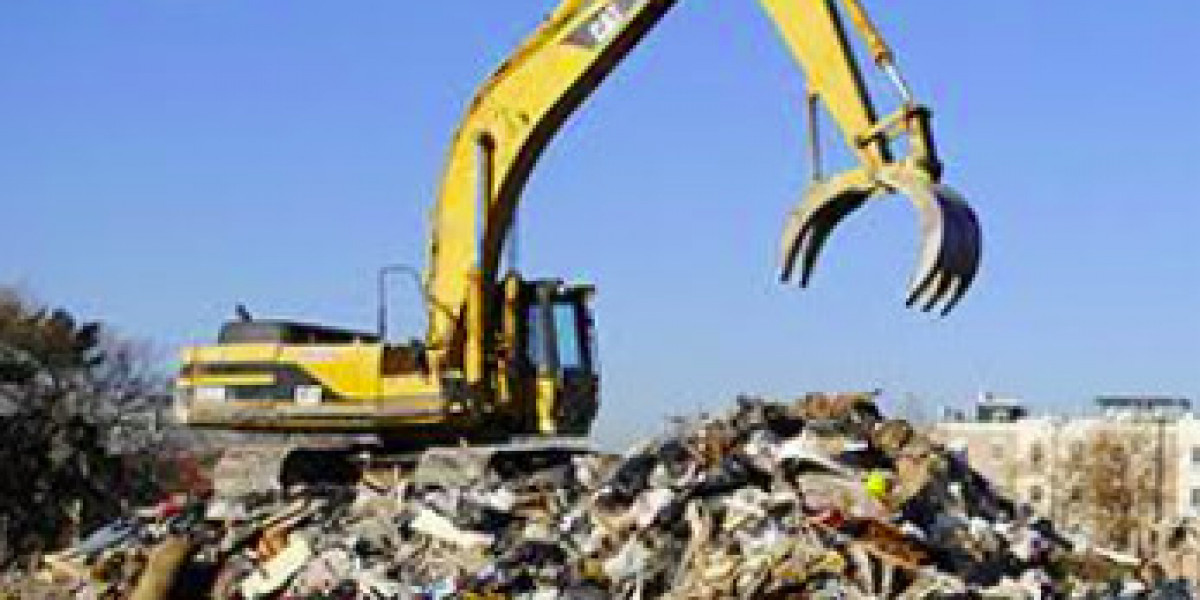

Somewhere around the middle of a renovation project, the debris pile stops being a minor annoyance and starts being an actual problem. Broken drywall, old flooring, chunks of concrete, leftover lumber, it adds up fast, and none of it is going out with your regular trash pickup.
Debris removal is one of those parts of a construction or renovation project that's easy to underestimate until you're standing in the middle of it. This guide covers what counts as debris, why it needs different handling than household junk, and how to get it off your property without the leftover mess slowing down your project.
What Counts as Construction Debris
Construction and renovation debris covers a wide range of materials, including:
- Broken concrete, brick, and masonry
- Drywall and plaster
- Old flooring, including tile, carpet, and hardwood
- Lumber and wood scraps
- Roofing materials, like old shingles
- Metal scraps and fixtures
- Insulation
- Landscaping debris, like dirt, sod, and yard waste from a project
This is different from general household junk. Debris tends to be heavier, dirtier, and often needs to be sorted by material type for proper disposal or recycling.
Why Debris Needs Different Handling Than Regular Trash
Construction debris is heavier and bulkier than typical household trash, and much of it can't legally go into a standard landfill without specific handling. Concrete and masonry, for example, are often processed separately so the material can be crushed and reused rather than taking up landfill space. Some materials, like certain types of old insulation or roofing, may have additional handling requirements depending on their age and composition.
Regular curbside trash pickup isn't built for this kind of volume or weight, which is why most renovation and construction projects need a dedicated debris removal plan rather than relying on weekly garbage pickup.
Common Projects That Generate Debris
Debris removal tends to come up around a specific set of projects:
- Home renovations, like kitchen or bathroom remodels that involve tearing out old materials.
- Flooring replacement, which generates old carpet, tile, or hardwood that needs to be hauled away.
- Roofing projects, where old shingles and underlayment need to be removed.
- Concrete and driveway work, including broken slabs, sidewalks, and foundations.
- Landscaping projects, which can generate dirt, sod, and plant debris.
- General construction, whether it's a small addition or a larger build.
Options for Handling Debris Yourself
For smaller projects, there are a few ways to manage debris on your own.
Rent a Dumpster
A roll-off dumpster is a common choice for larger renovation projects, since it allows debris to be tossed in as work progresses rather than requiring a separate haul for each load. This works well when a project spans several days or weeks, though it does require space on the property to place the dumpster.
Haul It Yourself
For smaller amounts of debris, hauling it to a local transfer station or recycling center in a truck or trailer is an option. This requires loading and unloading everything yourself, along with knowing which facility accepts which type of material, since not every transfer station takes every kind of debris.
Separate Materials for Recycling
Certain materials, like concrete, metal, and clean wood, can often be recycled separately rather than sent to a landfill. Doing this yourself means sorting debris by type and finding the right recycling facility for each category, which takes more coordination but can reduce disposal costs.
When Professional Debris Removal Makes Sense
DIY debris handling works for smaller projects with a manageable volume of material. Professional debris removal tends to make more sense when:
- The project generates more debris than fits in a single dumpster rental or a couple of truck loads.
- You're working with heavy materials like concrete or masonry that require specialized equipment to move safely.
- The project timeline is tight and debris needs to be cleared quickly to keep work moving.
- You'd rather have debris hauled away as the project progresses instead of managing a dumpster on-site.
- You're a contractor managing multiple projects and need reliable, scalable debris removal rather than coordinating it project by project.
A professional debris removal service can handle large volumes efficiently and knows how to properly sort and dispose of different material types, which matters for both cost and environmental impact.
What to Expect From a Professional Debris Removal Service
The process typically works like this:
- You describe the project and estimated volume, either over the phone or through photos.
- You get a quote, usually based on the type and amount of debris involved.
- A pickup schedule is set, which can sometimes include ongoing service for longer projects.
- The crew handles the loading and hauling, including heavy materials like concrete or masonry.
- Debris is sorted and disposed of properly, with recyclable materials routed accordingly.
- The site is left clear, ready for the next phase of work.
Common Mistakes to Avoid
A few things trip people up with debris removal:
- Underestimating the volume. Renovation debris tends to add up faster than expected, especially once flooring, drywall, and fixtures all come out at once.
- Mixing debris types unnecessarily. Keeping materials like concrete and wood separate can make recycling easier and sometimes reduces disposal costs.
- Letting debris pile up on-site for too long. A growing pile can slow down work, create safety hazards, and make the property look uninviting to clients or neighbors.
- Assuming a standard dumpster rental covers everything. Some materials, like concrete or certain hazardous items, may need separate handling even if a general dumpster is on-site.
- Not planning for debris removal at the start of a project. Factoring it in early avoids scrambling to find a solution once debris is already piling up.
How Junk Is Removed Can Help With Debris Removal in Kent, WA
Whether you're managing a home renovation, a driveway replacement, or a larger construction project, Junk Is Removed offers debris removal services throughout Kent and the surrounding King County area, including Auburn, Federal Way, Renton, Maple Valley, Black Diamond, Hobart, and Pacific.
The team is equipped to handle everything from a single-room remodel to large-scale construction waste removal, with same-day or next-day service available depending on schedule and availability.
Contact Junk Is Removed
Junk Is Removed 21207 125th Ave SE, Kent, WA 98031 Phone: (253) 678-5114
Call or text to get a quote for your debris removal.
Frequently Asked Questions
Can you handle large-scale construction debris removal, not just small projects? Yes. Debris removal services can scale from a single home renovation to larger construction sites, including ongoing service for longer projects.
Do you remove concrete and other heavy materials? Yes. Concrete, brick, and other heavy masonry materials can be picked up and taken to facilities that process them for reuse.
How is debris removal priced? Pricing is generally based on the type and volume of debris, so it's best to get a quote based on your specific project.
Can debris removal be scheduled throughout an ongoing project? Yes. For longer renovations or construction projects, debris pickups can often be scheduled regularly rather than as a single one-time haul.
What happens to the debris after it's picked up? Recyclable materials, like concrete, metal, and clean wood, are typically routed to appropriate recycling facilities, with the rest disposed of according to local guidelines.
Do I need to sort debris before pickup? It's not required, but separating certain materials in advance can sometimes make the process more efficient. The crew can advise on what works best for your specific project.