
Fine lines around the eyes. Skin that feels less firm than it used to. A complexion that looks a little tired even when you're not. These are some of the most common reasons people start looking into anti-aging facials, but the sheer number of options out there can make it hard to know where to start.
This guide breaks down what an anti-aging facial actually involves, what it can realistically do for your skin, and what to think about before booking your first one.
What Is an Anti-Aging Facial?
An anti-aging facial is a non-invasive skin treatment designed to address common signs of aging, like fine lines, dullness, and loss of firmness. Unlike more intensive procedures such as injectables or laser resurfacing, it typically relies on a combination of exfoliation, hydration, and targeted skincare ingredients rather than needles or downtime.
Most versions of this treatment follow a similar general structure: cleansing to remove impurities, some form of exfoliation to clear away dead skin cells, a massage to support circulation, and a layer of active serums designed to hydrate and support the skin's appearance over time.
What's Actually Happening to Your Skin as You Age
It helps to understand a bit about what causes these visible changes in the first place. As skin ages, natural collagen and elastin production slows down, which can lead to a loss of firmness and the appearance of fine lines. Skin also tends to hold less moisture over time, which can make it look duller or more textured. Sun exposure, stress, and lifestyle factors can speed up some of these changes as well.
Anti-aging facials are designed to work with these changes, not reverse the aging process entirely. Think of it as supporting your skin's health and appearance rather than turning back the clock.
What Happens During a Typical Treatment
While the exact steps vary by spa and by what your skin needs, a typical anti-aging facial often includes:
Cleansing and exfoliation. This step clears away buildup and dead skin cells, which helps everything that follows absorb more effectively.
A firming massage. Many anti-aging facials include a facial massage technique aimed at supporting circulation and giving the skin a temporary lift and glow.
Serum application. This is often where the real targeted work happens. Common ingredients include peptides (which support the skin's structure), antioxidants (which help protect skin from everyday environmental stress), and hyaluronic acid (which draws in and holds moisture).
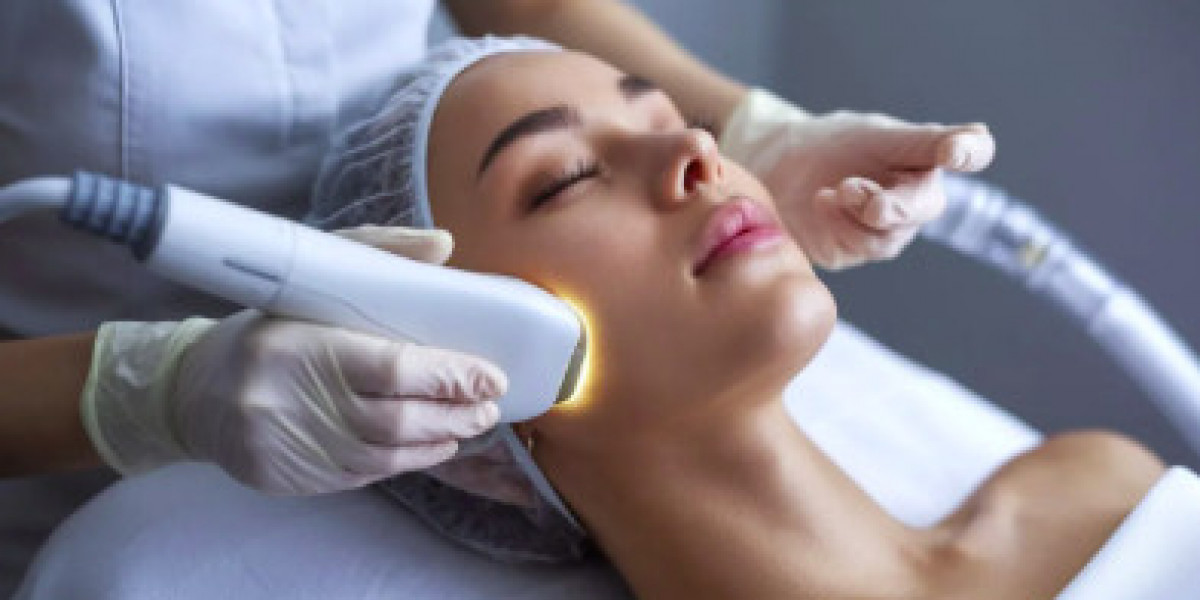
Some spas also offer add-ons like LED light therapy or more advanced exfoliation methods, depending on your skin's specific needs and what your esthetician recommends after assessing your skin.
What Results Can You Realistically Expect?
This is where it's worth setting expectations honestly. Many people notice a temporary glow and smoother-feeling skin right after a single session, since the combination of exfoliation and hydration tends to have an immediate visible effect. Longer-term improvements in firmness and texture, if they occur, usually build gradually with regular treatments rather than appearing after just one visit.
Results can vary quite a bit from person to person, depending on skin type, age, lifestyle, and how consistently you keep up with treatments and a home skincare routine. An anti-aging facial is best thought of as one part of an ongoing skincare approach, not a one-time fix for aging skin.
How Often Should You Get One?
Many people schedule anti-aging facials every four to six weeks, which lines up with the skin's natural renewal cycle. That said, this can vary depending on your skin's needs and your esthetician's recommendation. Some people prefer more frequent sessions during certain seasons, such as before a big event, while others maintain a steady monthly rhythm as part of their regular routine.
Is There Any Downtime?
One of the appealing things about this type of facial is that it's generally non-invasive, with little to no downtime. Most people can return to work or normal activities right after their appointment. Mild redness is possible immediately afterward, especially if exfoliation was part of the treatment, but it usually fades within a short time.
Who Might Want to Ask Questions First
While anti-aging facials are generally gentle, it's still worth mentioning any skin sensitivities, allergies, or conditions to your esthetician before your first session. If you have active acne, eczema, rosacea, or another skin condition, your esthetician may need to adjust the treatment or certain ingredients used. Pregnant clients should also mention this, since some active ingredients aren't recommended during pregnancy.
What to Look for in a Provider
Since the quality of an anti-aging facial depends heavily on the products used and the skill of the esthetician, it's worth considering a few things before booking:
- Whether the spa uses reputable, clinical-grade skincare brands
- Whether they perform a skin consultation before your first treatment
- Whether the esthetician is licensed and experienced
- Whether they're honest about what results to expect, rather than promising dramatic or guaranteed transformations
Anti-Aging Facials in Vienna, VA
If you're in the Vienna, Virginia area and thinking about adding an anti-aging facial to your routine, it's worth choosing a spa that takes time to understand your skin rather than running through a one-size-fits-all treatment. Moon Lake Spa offers an anti-aging facial in Vienna, VA that combines cleansing, a firming massage, and serums with peptides, antioxidants, and hyaluronic acid.
Frequently Asked Questions
At what age should I start getting anti-aging facials? There's no set age. Some people start in their late twenties or early thirties as a preventive step, while others begin later once they notice specific changes they'd like to address. It really depends on your skin and goals.
Will one facial get rid of my wrinkles? No single facial will eliminate wrinkles completely. Anti-aging facials can support smoother, more hydrated-looking skin, and regular treatments may help support firmness over time, but results vary and aren't permanent.
How is this different from a regular facial? A regular facial is often more focused on general cleansing and relaxation, while an anti-aging facial specifically targets fine lines, firmness, and dullness using more concentrated active ingredients.
Does it hurt? No. Most anti-aging facials are designed to feel relaxing rather than uncomfortable, with gentle exfoliation and a soothing massage component.
Can men get anti-aging facials? Yes. Skin aging affects everyone, and anti-aging facials are suitable for anyone interested in supporting their skin's appearance and health.
How soon will I see results? Many people notice an immediate glow and smoother feel right after their first session, while improvements in firmness and texture tend to build gradually with consistent treatments over time.









