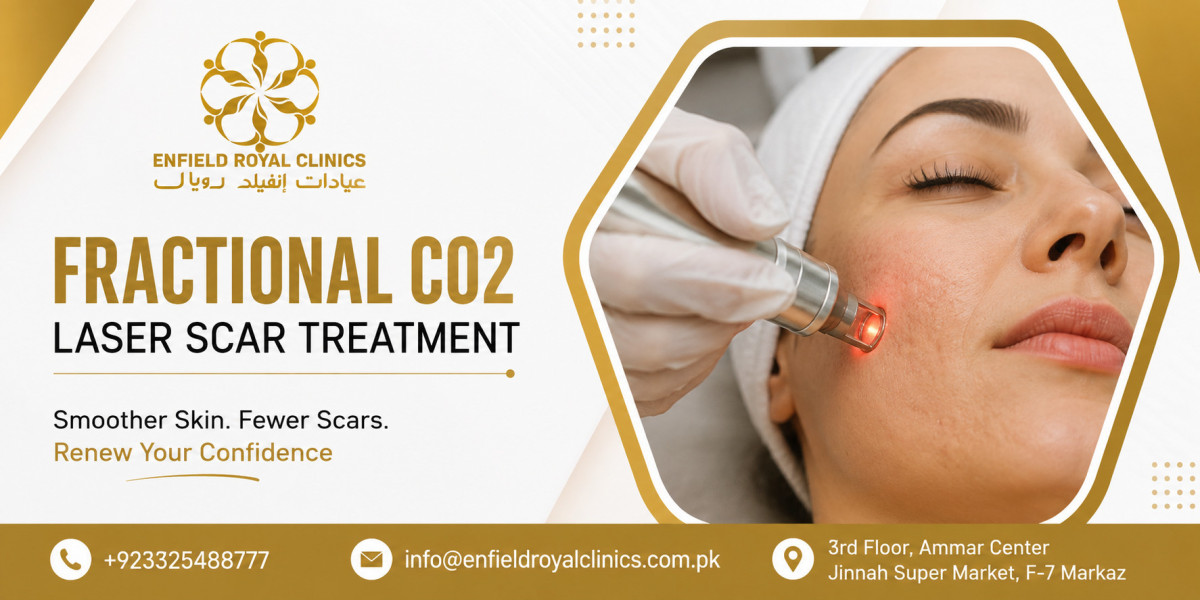

Scars caused by acne, surgery, burns, or accidental injuries can remain visible long after the skin has healed. While they may fade slightly over time, deeper scars often require professional treatment to achieve noticeable improvement. One of the most advanced options available today is Fractional CO2 Laser Scar Treatment, a non-surgical procedure that stimulates collagen production and encourages healthier skin regeneration.
One of the first questions many people ask before starting treatment is, "How many sessions will I need?" The answer varies because every scar is unique. Factors such as scar type, depth, skin condition, and treatment goals all influence the number of sessions recommended. Understanding these factors can help you set realistic expectations and make informed decisions about your treatment plan.
Understanding Fractional CO2 Laser Scar Treatment
Fractional CO2 Laser Scar Treatment uses carbon dioxide laser technology to create thousands of microscopic treatment zones in the skin. These controlled micro-injuries activate the body's natural healing process, encouraging the production of collagen and elastin.
Unlike traditional laser resurfacing, fractional technology leaves surrounding healthy tissue untouched. This allows the skin to heal more quickly while still producing significant improvements in scar appearance and overall skin texture.
The treatment is commonly used for:
- Acne scars
- Surgical scars
- Burn scars
- Injury scars
- Uneven skin texture
- Mild signs of skin aging
Why Are Multiple Sessions Often Needed?
Scar tissue develops over time, and rebuilding healthy skin is a gradual process. One laser session can stimulate collagen production, but collagen remodeling continues for several weeks after treatment.
Multiple sessions allow your practitioner to build on previous improvements while giving the skin enough time to heal between appointments.
This gradual approach provides:
- Better collagen formation
- More even skin resurfacing
- Safer treatment
- Progressive scar improvement
- Reduced risk of complications
Instead of attempting aggressive treatment in one session, several carefully planned treatments usually deliver more natural and consistent results.
How Many Sessions Are Typically Recommended?
The number of sessions varies depending on the severity of the scars.
Mild Scars
People with shallow acne scars or minor surgical scars may notice visible improvement after one or two sessions.
These scars usually respond well because the skin requires less collagen remodeling.
Moderate Scars
Moderately deep acne scars often require three to four treatment sessions.
This allows gradual rebuilding of collagen while improving both skin texture and scar depth.
Severe Scars
Deep acne scars, burn scars, or extensive traumatic scars may require four to six sessions or more.
Severe scarring often benefits from a personalized treatment plan that may include additional therapies alongside laser resurfacing.
What Factors Affect the Number of Sessions?
Every patient heals differently, and several factors influence the treatment plan.
Type of Scar
Different scars respond differently to laser treatment.
Examples include:
- Rolling scars
- Boxcar scars
- Ice pick scars
- Surgical scars
- Burn scars
Some scar types improve faster than others, while deeper scars often require additional sessions.
Scar Depth
The deeper the scar extends into the skin, the more collagen must be produced to improve its appearance.
Deep scars naturally require more treatment than superficial scars.
Size of the Treatment Area
Treating a few isolated scars may require fewer appointments than resurfacing an entire face affected by acne scarring.
Larger treatment areas often involve a longer overall treatment plan.
Skin Type
Your natural skin tone and skin sensitivity also influence laser settings and treatment frequency.
Practitioners adjust the laser according to your individual skin characteristics to ensure safe and effective results.
Individual Healing Response
Every person's healing process is unique.
Some individuals produce collagen more efficiently, while others may need additional sessions to achieve similar improvements.
How Much Time Is Left Between Sessions?
Fractional CO2 Laser Scar Treatment is not performed every week.
Most practitioners recommend waiting four to eight weeks between treatments.
This recovery period allows:
- Collagen production to continue
- Skin cells to regenerate
- Redness to subside
- The practitioner to evaluate progress before the next session
Allowing enough healing time is an essential part of achieving optimal results.
When Will Results Become Noticeable?
Although patients often expect immediate improvement, laser resurfacing works gradually.
Many people notice early improvements within two to four weeks, but collagen production continues beneath the skin for several months.
The most noticeable improvements often appear after:
- Two to three months
- Multiple completed sessions
- Full collagen remodeling
Patience is important because the skin continues improving long after each treatment.
Can One Session Be Enough?
For very mild scars, one treatment may produce satisfying improvement.
However, for most patients, one session delivers only partial correction.
Additional treatments help:
- Improve scar depth
- Refine skin texture
- Increase collagen production
- Produce more even skin tone
- Achieve longer-lasting results
Your practitioner will evaluate your progress after each appointment before deciding whether further treatment is needed.
Following Aftercare for Better Results
Proper aftercare plays an important role in maximizing treatment success.
Patients are generally advised to:
- Apply sunscreen daily.
- Keep the skin moisturized.
- Avoid direct sun exposure.
- Use gentle skincare products.
- Avoid picking peeling skin.
- Follow all professional instructions carefully.
Good aftercare supports healthy healing and helps protect newly regenerated skin.
Is the Treatment Worth Multiple Sessions?
Although completing several treatments requires patience, many patients find the long-term improvements worthwhile.
Benefits often include:
- Smoother skin texture
- Reduced scar visibility
- More even complexion
- Firmer skin
- Improved collagen production
- Greater confidence
Since laser resurfacing addresses the underlying skin structure rather than temporarily covering scars, the improvements are often long-lasting.
Choosing the Right Treatment Plan
No two patients have identical skin or scar patterns.
An experienced practitioner will create a personalized treatment plan based on:
- Scar type
- Skin condition
- Medical history
- Treatment goals
- Healing response
This individualized approach helps ensure safe treatment while achieving the best possible cosmetic outcome.
Final Thoughts
The number of Fractional CO2 Laser Scar Treatment sessions needed depends on several factors, including the type of scars, their severity, and your skin's natural healing ability. While mild scars may improve after one or two treatments, moderate and deeper scars often require three to six sessions for optimal results.
Because collagen production continues long after each appointment, patience is essential throughout the treatment process. With a customized treatment plan, proper aftercare, and guidance from a qualified practitioner, Fractional CO2 Laser Scar Treatment can significantly improve scar appearance and restore smoother, healthier-looking skin over time.